2026 Pet Owner Guide: Daily Natural Cat Treat Limits That Reassure
2026 Pet Owner Guide: Daily Natural Cat Treat Limits That Reassure
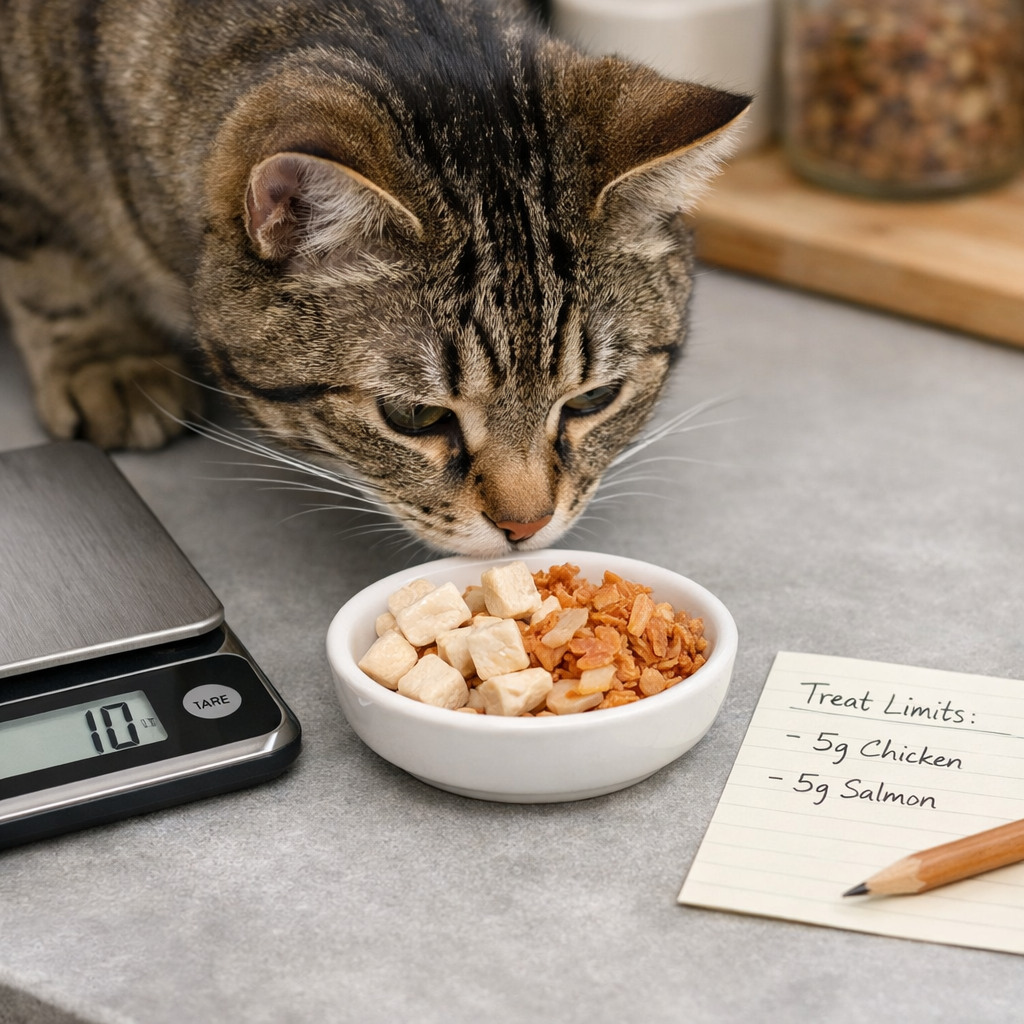
Natural cat treats can be part of a healthy routine when you keep the calories in check. The simple, reassuring answer: follow the 10% rule—no more than one-tenth of your cat’s daily calories should come from treats. That keeps 90% for a complete and balanced diet. For many adult cats eating around 200–250 kcal/day, the daily treat limit is 20–25 kcal. Smaller or sedentary cats need less; larger or very active cats may sit near the top of that range. If your cat needs to lose weight, aim closer to 5% from treats until the weight trend improves. This guide from Pet Food Ingredient Guide turns that rule into easy math, quick tables, and label-decoding tips you can use today.
Quick answer to how many treats per day
Keep treats at or below 10% of daily calories. Industry guidance is consistent: “Treat calories should not exceed 10%…” of your cat’s day, with the remaining 90% coming from a complete diet (see the Cat Treat Guide on meow-servant). For an average adult cat eating about 200–250 kcal/day, that’s 20–25 kcal from treats. A 4 kg cat typically lands near 200 kcal/day, so 20 kcal is your cap; a 5 kg cat near 240 kcal/day allows about 24 kcal. For overweight cats, target 5% from treats until weight improves (see Heads Up For Tails’ daily treat guidance).
The 10 percent rule for cats
Definition: The 10% rule means total treat calories should be no more than one-tenth of your cat’s daily intake so treats don’t displace essential nutrients from a complete, balanced diet. Treats are for supplemental feeding—not meal replacement—and should sit on top of, not override, your cat’s primary food. At Pet Food Ingredient Guide, we apply this cap across examples to keep nutrition on track.
Approximate daily energy needs and treat caps
| Cat weight (kg) | Daily kcal (approx.) | 10% treat cap (kcal) |
|---|---|---|
| 3 | 160 | 16 |
| 4 | 200 | 20 |
| 5 | 240 | 24 |
| 6 | 270 | 27 |
Subtract treat calories from meals to keep total daily calories steady.
Translating calories into treat counts
Use this quick formula: allowed pieces = daily treat kcal ÷ kcal per piece. Check the package for calories per piece or per serving.
- Example: If your cap is 20 kcal/day and each treat is 2 kcal, you can feed up to 10 pieces (and reduce meal calories by 20 kcal).
- Lickable “Churu-style” treats often clock in at under 2 kcal per small squeeze; always confirm serving size before counting (see NBC News’ guide to cat treats).
Common treat formats and typical calories
| Treat format | Typical calories |
|---|---|
| Freeze-dried meat bits | 1–3 kcal per bit |
| Lickable squeezes | <2 kcal per small squeeze |
| Crunchy bites | 1–4 kcal per piece |
For small cats, start at the low end of the range.
Adjusting for age, activity, and body condition
Match the cap to your cat’s needs. Scale down toward 5% for sedentary or overweight cats and up to—but not beyond—10% for lean, active cats. Use body condition cues (waist/abdominal tuck, easy rib feel) and weigh monthly to catch creeping gain. Training-day treats still count toward the same daily cap; plan ahead and trim meal calories to match.
Choosing natural treats that fit feline nutrition
Prioritize high-protein, low-carbohydrate treats with a named animal protein first and short, simple ingredient lists. This aligns with obligate carnivore needs and helps you control calories and fillers (see Cats.com’s overview of best cat treats). Freeze-dried or dehydrated single-ingredient meats remain popular and palatable—just confirm calories per piece so they fit your 10% cap.
Single ingredient and high protein
Single-ingredient options like freeze-dried chicken, turkey, or salmon keep formulas simple and protein-forward. Ensure pieces are fully dehydrated or cooked before feeding. Obligate carnivores thrive when animal protein leads and carbs stay minimal; tiny pieces pair well with training to stretch the daily allowance.
What to avoid on labels
Skip added sugars, excessive grains, artificial colors, and unnecessary fillers. “Natural flavor” usually means hydrolyzed animal tissue—an intense flavor booster. It isn’t inherently harmful, but it’s unnecessary in simple, single-ingredient treats. Choose products with a named animal protein listed first and clear calorie info per piece or serving.
Organ treats and portion caution
Liver, kidney, and other organs are highly nutrient-dense. Feed pea-sized portions, rotate with muscle-meat treats, and limit organ-only sessions each week. Cats with health conditions may need stricter limits; consult your veterinarian.
Label decoding for treat packages
Definition: Label decoding is the skill of reading ingredient lists, calorie statements, and feeding directions so treats align with your 10% cap and your cat’s nutrition goals. It helps you spot quality proteins, avoid excess calories, and confirm whether a product is intended only for supplemental feeding.
Treats are typically classified for supplemental feeding, so keep complete-and-balanced food at 90%+ of daily calories. Quick checklist:
- Named animal protein first
- Short ingredient list
- Calories per piece or per defined serving
- Clear storage instructions after opening
Using the Ingredient Library
Not sure what “natural flavor,” “glycerin,” or a specific organ name means? Use Pet Food Ingredient Guide’s Ingredient Library to decode terms, weigh trade-offs, and compare options. Start here when a label is vague or marketing-heavy. Scan labels for carbohydrate contributors and binders if you’re aiming for low-carb, protein-forward treats.
Calorie statements and serving sizes
Find kcal per piece or per serving and multiply by planned pieces to stay ≤10%. Example: 2 kcal per piece × 8 pieces = 16 kcal from treats. Some labels only show kcal/kg; convert using weight per piece or contact the brand. Subtract treat calories from meals to keep the day’s total steady. Lickables may list very low kcal per small squeeze—still count them.
Interpreting natural claims
Definition: “Natural” claims appeal to many pet owners (surveys show 70%+ seek “natural”), but standards vary. Focus on ingredient quality, specificity of animal proteins, and clear calorie data rather than front-of-pack language (see PawVortex’s natural treat guide). Natural doesn’t guarantee low-calorie or species-appropriate macros.
Practical treating routines that prevent overfeeding
- Pre-portion the day’s treat calories into a small container.
- Offer treats at mealtimes or during short training windows for easier tracking.
- Log treat types and counts for a week, then adjust to support a stable weight.
Training timing and tiny pieces
Deliver rewards within 1–2 seconds of the behavior, keep sessions brief (about 5 minutes), and use tiny, high-value pieces. Count every piece within your daily cap, even during frequent training bursts.
Counting lickables and broths
Lickable treats add moisture and often contain under 2 kcal per small squeeze; include them in your total. Measure squeezes (e.g., 3–5 small squeezes) unless a serving and its calories are clearly defined. Broths and toppers can boost appetite and hydration—check calories and sodium if used regularly.
Multi cat fairness without extra calories
Rotate turns, use name cues or target mats, and break treats into micro-pieces so each cat gets a fair share without doubling calories. Pre-count per-cat allotments and use play (wand toys) as a non-food reward on heavy training days.
Health specific considerations
If your cat has kidney disease, diabetes, or urinary issues, talk to your veterinarian before changing treats. Some conditions require limits on phosphorus, carbohydrates, or sodium. Keep complete-and-balanced meals as the foundation; treats must fit the medical plan.
Weight management and treat reductions
For overweight cats, drop treat calories toward 5% or less and prioritize lean, single-ingredient proteins. Replace some food rewards with praise or play, schedule monthly weigh-ins, and adjust portions by 5–10% based on trend. Avoid energy-dense crunchy treats; choose lower-kcal formats.
Kidney, urinary, and diabetic care
For kidney/urinary support, avoid frequent organ-heavy treats and monitor sodium when using broths or lickables. For diabetes, stick to very low-carbohydrate, single-ingredient meats. Count every calorie and time treats consistently with meals and medications per veterinary direction.
Kittens and seniors
Kittens need frequent, small meals; keep treats well below 10% on most days to avoid displacing growth nutrients. Seniors may prefer softer textures and moisture-adding lickables; watch kidney and weight factors and adjust texture accordingly.
Homemade natural treats and safe storage
Definition: A dehydrated treat is made by fully cooking meat and then drying it at low heat to reduce moisture, concentrating flavor while extending shelf life. Safe prep requires proper time and temperature to limit pathogens, uniform slicing for even drying, airtight storage, and a short refrigerated life once prepared.
Cooking and dehydration basics
Simple method: bake thinly sliced, deboned chicken breast at about 80°C (175°F) for 2–3 hours until fully dehydrated throughout, checking doneness in the thickest pieces. If offering human foods, use fully cooked, deboned meats only, with no added salt, fats, skin, or seasonings. Cool completely before packaging.
Refrigeration and shelf life
Refrigerate homemade treats and use within 3–5 days. Store commercial treats in a cool, dry, airtight container; follow label directions—some lickables require refrigeration after opening. Date when you open a package and discard if odor or texture changes.
Formulation trade offs to consider
Prioritize named animal proteins and simple formulas, but weigh functional add-ons, palatability, calories, cost, and safety. Calorie density and piece size matter; even tiny additions of fats or flavor boosters can raise kcal per gram.
Protein quality versus added functional claims
Functional treats for joints, gut, or calming are mainstream in 2026; check whether active amounts are disclosed and whether the calories still fit your 10% cap (see X-Fen TPA’s 2026 trends analysis). If protein quality takes a back seat to fillers delivering actives, consider a separate supplement and keep treats protein-forward. Pet Food Ingredient Guide’s Ingredient Library can help you review actives and excipients.
Palatability versus calorie density
Highly palatable treats may rely on flavor additives or fats, pushing up kcal per piece. Choose the smallest effective portion and track counts. Lickables can deliver taste with fewer calories per small squeeze when appropriate. Use micro-rewards during training.
Cost, convenience, and safety
With “petflation” still a factor in 2026 (industry tracking put it near 4.3% in March 2026), simple homemade single-ingredient options can be economical when prepared safely (see Petfood Industry’s trends report). Consumers continue to prioritize premium spending in food and wellness; invest where it supports health outcomes (see NielsenIQ’s 2026 pet care outlook).
Market trends and what matters for your cat
Demand for “natural” and freeze-dried single-ingredient treats keeps rising, with some segments doubling sales and more than 70% of owners seeking “natural” on labels. Functional treats and liquid toppers are now expected, but calories and transparency still rule. No matter the trend, your cat’s needs come first—stick to the 10% rule.
Bottom line and daily checklist
Keep treats at or below 10% of daily calories. For many adult cats eating 200–250 kcal/day, that’s 20–25 kcal from treats, with the rest from a complete, balanced diet. If weight loss is a goal, aim closer to 5% until progress is steady.
Daily checklist:
- Find your cat’s daily kcal and set the 10% cap.
- Check kcal per piece/serving; pre-portion for the day.
- Use tiny, high-protein pieces; count training and lickables.
- Drop to 5% if overweight; re-weigh monthly.
- Store treats safely; follow label storage directions.
Frequently asked questions
How many calories can my cat have from treats each day
Keep treats to 10% of daily calories—if your cat eats 200 kcal/day, that’s 20 kcal from treats and 180 kcal from a complete, balanced diet. Use Pet Food Ingredient Guide’s quick table above to set your cap.
How many treats is too many if each piece is two calories
Divide your daily treat allowance by 2. If your cap is 20 kcal/day, up to 10 pieces is the limit—then reduce meal calories by 20 kcal (see the Pet Food Ingredient Guide formula above).
Should I reduce meal portions when I use treats
Yes—subtract treat calories from your cat’s daily total so overall intake stays level and weight doesn’t creep up; Pet Food Ingredient Guide uses this approach across examples.
Are lickable treats or broths better than crunchy treats
Lickables can be lower in calories per small squeeze and add hydration, but you must still count them. Choose the format your cat enjoys that fits the daily cap; Pet Food Ingredient Guide counts them the same way.
Can cats with medical conditions have natural treats
Often yes, but choices and amounts should match the condition. Ask your veterinarian and favor simple, high-protein, low-additive treats that fit the prescribed diet; Pet Food Ingredient Guide’s Ingredient Library can help you check labels.