5 Vet Rules for Daily Natural Cat Treats and Safe Amounts
5 Vet Rules for Daily Natural Cat Treats and Safe Amounts
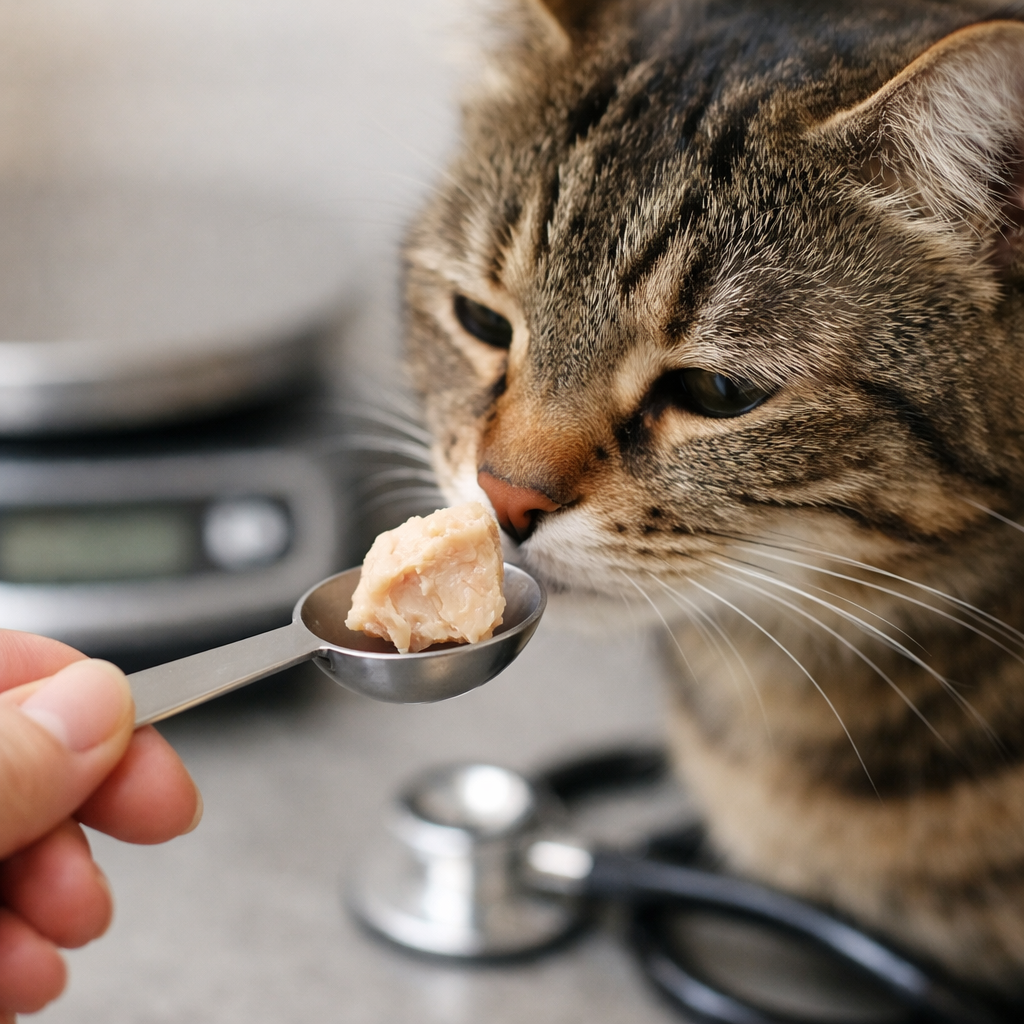
Natural cat treats can be part of a healthy routine—as long as portions are clear and calories are counted. The short answer to “how many natural treats can my cat have per day”: for most healthy adults, keep treats to no more than 10% of daily calories. That limit protects weight and prevents treats from displacing essential nutrients from a complete-and-balanced diet. Because about 61% of pet cats are overweight or obese, portion control is not optional—it’s essential for health and longevity (see vet-verified guidance from PetMD). Lickable tubes are often around 6 calories each, and many crunchy bites are under 2 calories per piece, so it’s easy to stay within the daily cap if you measure and track (per NBC Select’s expert roundup).
Pet Food Ingredient Guide
Our mission is to turn pet-nutrition standards into everyday decisions you can trust. Your cat’s main food should be complete and balanced for their life stage per AAFCO/FEDIAF. Treats are complementary—not meal replacements—and are typically capped at about 10% (often 5–10%) of daily calories to avoid nutrient dilution and weight gain. See our complementary foods and safe portion guide for practical examples and schedules: https://www.petfoodingredientguide.com/posts/complementary-cat-food-feeding-guide-safe-portions-schedules-and-tips/ It links real labels to right-sized counts so you can portion treats with confidence.
We also advise:
- Prioritize named animal proteins in the main diet and ensure taurine sufficiency.
- Keep treat ingredients simple to reduce intolerance risk.
- Ask your veterinarian for personalized calorie targets and for any medical conditions.
Rule 1: Keep treats to 10 percent of daily calories
“Treats should make up no more than 10% of a cat’s daily calories.” This guardrail helps prevent overfeeding and supports healthy body condition—especially important because an estimated 61% of pet cats are overweight or obese (PetMD, vet-verified treat guidance: https://www.petmd.com/cat/vet-verified/best-cat-treats).
Practical calorie cues:
- Many crunchy bites are under 2 calories each.
- Lickable tubes are around 6 calories per tube. Count every bite and tube toward the 10% cap (NBC Select expert roundup: https://www.nbcnews.com/select/shopping/best-cat-treats-ncna1304127).
Mini step flow to set daily treat calories:
- Get your cat’s daily calorie target from your vet or food label.
- Multiply that number by 0.10 to set the treat limit.
- Read the treat label for calories per piece/tube.
- Allocate a daily count that fits within the limit.
Tip: Overweight cats do best with low-calorie options—aim for treats around 2 calories or less per piece. For worked examples, see our complementary foods and safe portion guide linked above.
Rule 2: Choose single ingredient and minimally processed options
Single-ingredient treats contain only one listed component (for example, chicken breast). Fewer ingredients reduce exposure to potential allergens and make any reactions easier to trace. For sensitive cats, this simplicity supports safer trials and clearer monitoring of stool, appetite, skin, and coat.
Illustrative options:
- Freeze-dried chicken (e.g., PureBites) is a common single-ingredient pick for sensitive cats (Vetstreet overview of best cat treats: https://www.vetstreet.com/food-and-treats/cat-treats/best-cat-treats).
- Freeze-drying preserves nutrients by removing moisture under vacuum after freezing, yielding high-protein morsels without added fillers (Homes Alive’s guide to cat treats: https://blog.homesalive.ca/cat-blog/best-cat-treats).
- High-protein freeze-dried meats (including Vital Essentials) and bonito flakes rich in omega-3s are frequently mentioned in expert roundups as near-100% animal ingredients—useful examples, not endorsements (Business Insider’s buyer’s guide: https://www.businessinsider.com/guides/pets/best-cat-treats; video roundup of best treats: https://www.youtube.com/watch?v=SCfPo9GS72Q).
Rule 3: Match treat texture to the goal
- Training: Choose bite-size, soft, easy-to-swallow, low-calorie treats so you can deliver frequent rewards without blowing the budget.
- Hydration and bonding: Lickable treats are mostly water (often around 90% moisture) and can help with hydration, distraction during grooming, or travel-friendly feeding.
- Dental goals: If you use dental treats, look for the VOHC seal and treat them as an adjunct to daily toothbrushing and professional dental care—not a replacement.
Rule 4: Read the label and count the calories
Treat labels are your daily dashboard for portion control. Confirm calories per piece or tube and tally them toward the 10% limit. As a reference point, many crunchy treats are under 2 calories each, and common lickable tubes are roughly 6 calories per tube (NBC Select expert roundup: https://www.nbcnews.com/select/shopping/best-cat-treats-ncna1304127).
Quick label checklist:
- Calories per unit (piece, morsel, tube).
- Ingredient count (prefer single or limited ingredients).
- Named animal protein first.
- VOHC seal for dental products.
- Storage instructions (keep airtight to prevent rancidity or contamination).
For overweight cats, favor low-calorie options around 2 calories or less per piece to stretch the allowance.
Rule 5: Introduce slowly and monitor your cat’s response
Start with pea-sized amounts over several days. Watch stool quality, appetite, itchiness, and weight trends. If adverse changes appear, reduce or discontinue and consult your veterinarian. For sensitive or allergic cats, single-ingredient freeze-dried meats are often better tolerated—change flavors gradually. Always store treats in airtight containers to preserve freshness and safety. If reactions persist or your cat has chronic GI or skin issues, ask your vet about a structured elimination diet.
How many natural treats per day
Most healthy adult cats can have up to 10% of daily calories from treats; exceeding this risks weight gain given the high prevalence of feline obesity. Examples within that 10%:
- Crunchy bites (under 2 kcal each): roughly 10–20 pieces if your 10% allowance is ~20–40 kcal.
- Lickable tube (about 6 kcal): aim for a few tubes per week, or split a tube across days.
- Freeze-dried morsels: check the label for calories per piece and allocate within the same 10% budget.
“How many” varies with your cat’s calorie target, treat calorie density, and body condition—ask your vet for personalized numbers.
Portion examples by cat size
These estimates translate the 10% rule into daily treat calories and approximate counts. Confirm your cat’s actual calorie needs with your veterinarian.
| Cat weight (healthy adult) | Estimated daily calories (example) | 10% treat calories | Crunchy bites (<2 kcal) pieces/day | Lickable (~6 kcal) tubes/day (or split across days) |
|---|---|---|---|---|
| 8 lb (3.6 kg) | ~180 kcal | ~18 kcal | up to 9 | up to 3 |
| 10 lb (4.5 kg) | ~220 kcal | ~22 kcal | up to 11 | up to 3 |
| 12 lb (5.4 kg) | ~260 kcal | ~26 kcal | up to 13 | up to 4 |
| 15 lb (6.8 kg) | ~300 kcal | ~30 kcal | up to 15 | up to 5 |
Notes:
- Use label calories for your exact treat; if a crunchy is 1 kcal, counts can roughly double.
- Overweight cats: choose ≤2-kcal treats and cut pieces smaller to stretch the allowance.
When medical conditions require stricter limits
Some cats need tighter controls or specific products. Ask your veterinarian for tailored guidance if your cat has:
- Obesity or diabetes: keep treats well below 10%; use very low-calorie, single-ingredient options and count meticulously.
- CKD or low hydration: consider moisture-forward lickable treats; verify sodium and protein with your vet.
- Pancreatitis, IBD, or food allergies: favor single-ingredient, novel-protein or hydrolyzed treats only if vet-approved.
- Dental disease: VOHC-approved dental treats can help, but do not replace brushing or professional care.
Remember: treats are complementary and must not replace a complete-and-balanced main diet.
Frequently asked questions
How do I calculate my cat’s daily treat calories?
Multiply your cat’s daily calorie target by 0.10, then use the label calories per piece/tube to allocate a count within that number. Our complementary foods and safe portion guide (linked above) shows worked examples.
Are freeze dried meat treats safe and how many can I give?
Single-ingredient freeze-dried meats are widely used and nutrient-dense; they fit within the same 10% daily calorie limit. Count each morsel’s calories from the label and adjust to body condition; our guide above shows how to apply the 10% rule.
Can kittens and seniors have the same treats and amounts?
Often, but texture and calorie density matter. Choose soft, easy-to-swallow pieces and keep total treats to ≤10% of daily calories unless your vet advises otherwise; see our guide for examples.
Do dental treats replace brushing?
No. VOHC-approved dental treats can help reduce plaque and tartar, but they complement—not replace—daily brushing and professional dental care.
Are human foods like chicken or pumpkin okay as treats?
Plain cooked chicken or a small spoon of plain pumpkin can work occasionally if they fit within the 10% limit and your vet agrees. Avoid added salt, seasonings, sugars, and unsafe ingredients; our guide covers safe portions.