9 Best Wet Foods Picky Cats Actually Finish, Vet-Reviewed
9 Best Wet Foods Picky Cats Actually Finish, Vet-Reviewed
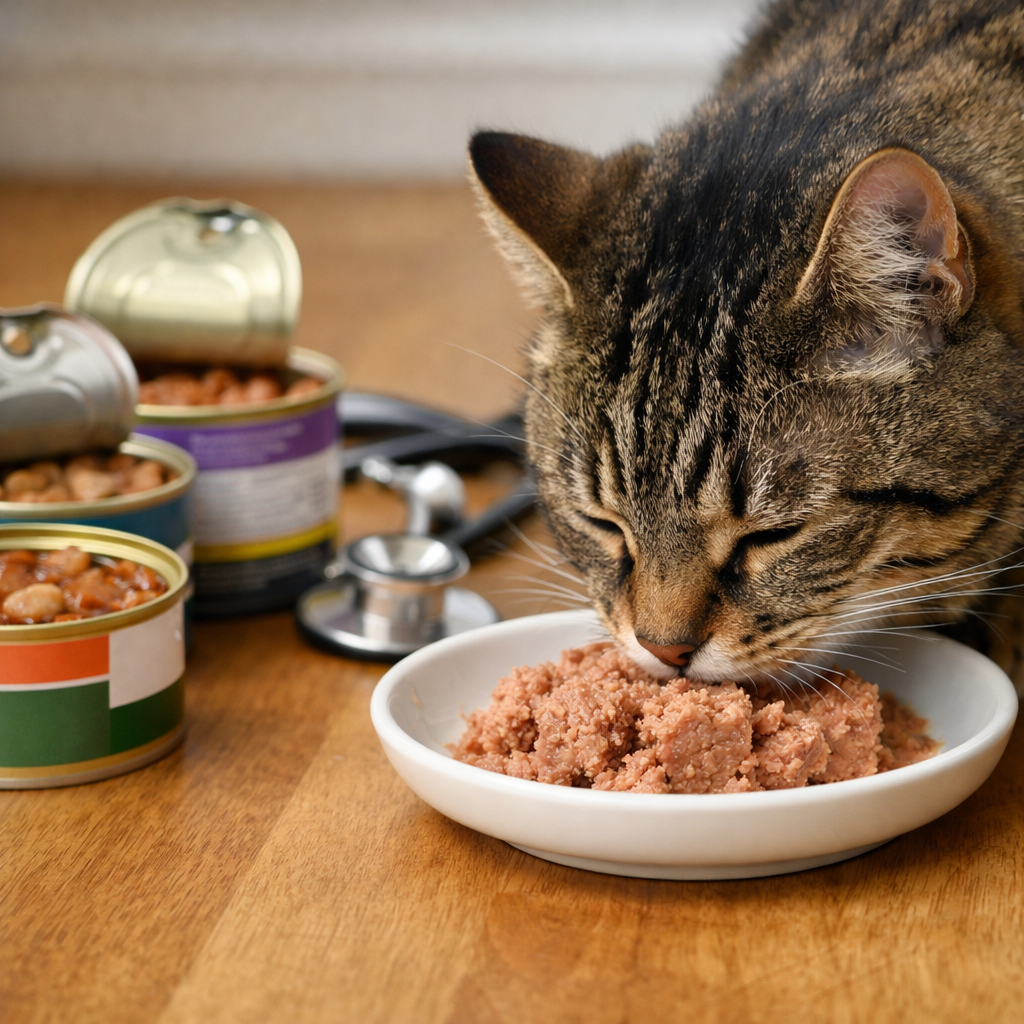
If your cat sniffs, licks, and walks away, you’re not alone. The best wet food for picky cats that they will eat blends the right texture, enticing aroma, and complete nutrition—without wrecking your budget. Below, our vet-reviewed picks spotlight proven finishers across pâté, mousse, flakes, and gravy, plus a practical feeding schedule to dial in portions with less waste. Veterinarians note wet food’s softness, smell, and moisture make it more appealing—and a hydration helper—than dry diets, especially for selective eaters. NBC Select summarizes veterinarians’ guidance on wet food’s aroma, texture, and hydration advantages.
Pet Food Ingredient Guide
Our mission is to demystify pet food ingredients and feeding math so you can choose confidently—focusing on label facts, not marketing. We analyze ingredient function, nutrient profiles, and AAFCO compliance, then pair that with real-world portioning advice to help finicky cats actually finish meals with less waste. Expect recommendations that emphasize complete-and-balanced recipes, moisture for hydration, and texture variety—because many picky cats decide with their noses and mouths first.
To make feeding easier, we provide practical tools—portioning calculators, sample schedules, and a week-by-week adjustment framework—to improve intake and reduce waste. Explore more at the Pet Food Ingredient Guide website: Pet Food Ingredient Guide.
How we selected for picky cats
We built this list using veterinarian-aligned criteria and hands-on texture testing. First, we prioritized foods that list animal protein first—named meats like chicken or turkey—because that signals a protein-forward formula favored by experts. Forbes’ buyer’s guide underscores choosing recipes with animal-derived ingredients leading the list. We then verified an AAFCO “complete and balanced” statement for the appropriate life stage to ensure nutritional adequacy, and favored moist, aromatic textures (pâté, mousse, flakes in gravy, shreds) known to entice reluctant eaters. This label-first, finish-rate-aware approach is the same framework we use across Pet Food Ingredient Guide.
Pro tip: before you buy cases, run small-can sampling across two to three textures. Track which formats your cat finishes consistently—those are your “finishers” worth stocking.
Portioning and week-by-week adjustment
Calorie density is how much energy a food provides per weight (kcal/100 g or kcal/can). Wet foods are typically less calorie-dense than kibble because they contain about 70–85% moisture, so portions are larger by weight to deliver the same calories.
Use this two-week approach to dial in wet cat food portions and a feeding schedule for picky cats. Pet Food Ingredient Guide’s portioning calculator can help translate kcal targets into grams per meal:
- Week 1: Start with the label’s daily calorie target for your cat’s ideal weight. Offer 2–3 small meals per day. Weigh the food; record grams offered vs. grams eaten.
- Week 2: Adjust by ±10–15% based on body condition, scale weight, and leftovers. Aim for clean bowls within 15–20 minutes.
Because wet food is lower in calories by volume, it can support weight control when portions are measured; the higher water content also supports urinary and kidney health. PetMD’s vet-verified review explains wet food’s hydration benefits and palatability for selective eaters.
Example feeding math
| Cat weight | Target daily kcal | Food kcal/can | Cans/day | Grams/meal (3 meals) |
|---|---|---|---|---|
| 10 lb adult | 200–220 | 90 (per 3 oz/85 g) | 2.2–2.4 | 62–68 g |
How much wet food per day? Start with the label’s daily calories for ideal weight, split into 2–3 meals, then apply the week-by-week adjustment above until bowls are consistently clean without weight loss or gain.
What to look for on the label
- Ingredient order: Choose recipes that list named animal protein first (chicken, turkey, salmon). That “animal protein first” clue often tracks with better acceptance and appropriate amino acids.
- AAFCO statement: Look for “complete and balanced” for your cat’s life stage. Vet-reviewed roundups routinely feature wet foods that meet or exceed AAFCO standards.
- Moisture and texture: Higher moisture supports hydration; match texture to preference—pâté and mousse for smooth lappers, flakes or cuts in gravy for sauce lovers—since smell and mouthfeel drive intake in picky cats.
- Quick definition: AAFCO-complete means a food meets nutrient profiles or passes feeding trials for a stated life stage, providing balanced protein, fats, vitamins, and minerals. It’s a safety and adequacy baseline—not a guarantee of ingredient quality or digestibility.
- Ingredient vigilance: Some owners avoid carrageenan in cat food or certain gums if their cats are sensitive; community breakdowns reinforce reading labels closely. See this community ingredient breakdown discussing gums and carrageenan. We also consider brands that employ nutritionists and run feeding trials.
1. Purina Fancy Feast Grilled
Why it works: This shredded-in-gravy classic is a frequent “finisher” for picky cats thanks to meaty textures, robust aroma, and broad flavor choices. Purina formulates with board-certified nutritionists, and many vets are comfortable recommending its wet lines.
- Pros: Budget-friendly, huge flavor variety, great for texture-sensitive cats that seek gravy and shreds.
- Cons: May include gums; always confirm an AAFCO statement by recipe.
- Best for: Cats that prefer shredded cuts with plenty of gravy.
2. Tiki Cat Solutions Mousse
Why it works: A silky, prey-inspired mousse designed for texture-sensitive cats that balk at chunks or flakes. The Solutions line also targets common concerns (e.g., urinary, skin) with purposeful add-ins like prebiotics, gentle fibers, glucosamine, and omega fatty acids.
- Pros: Ultra-smooth; functional nutrients without a heavy “processed” feel.
- Cons: Premium price; test single-serve pouches first.
- Best for: Cats rejecting pieces; owners wanting targeted support in a smooth format.
3. Sheba Perfect Portions Cuts in Gravy
Why it works: Twin-portion packs keep servings fresh and cut down leftovers—a major barrier when feeding picky cats. Cuts in gravy deliver aroma and sauce that many selective eaters seek. See the packaging and texture benefits highlighted in Modern Cat’s wet food roundup.
- Pros: Portion-controlled trays, minimal mess, strong gravy appeal.
- Cons: More packaging per serving; cost can be higher per ounce.
- Best for: Single-cat homes or grazers needing small, frequent meals.
4. Purina Pro Plan Gravy Complete Essentials
Why it works: A research-backed, vet-favored line with excellent acceptance among saucy-food lovers. The gravy texture amplifies aroma and softness—two keys for picky eaters. Look for life-stage AAFCO statements; chicken and turkey gravies are solid starting flavors.
- Pros: Strong R&D pedigree, broad retail availability, consistent textures.
- Cons: Pricier than mainstream economy options.
- Best for: Cats that love sauce plus owners who value brand science.
5. Rawz Tuna and Chicken
Why it works: Minimally processed with a short, straightforward ingredient list and no artificial gums or fillers. Many owners also appreciate non-BPA-lined cans as noted in third-party coverage.
- Pros: Simple labels; appealing to cats turned off by “processed” aromas.
- Cons: Premium price; seafood-forward blends may not suit all cats.
- Best for: Ingredient-focused owners; sensitive cats needing fewer thickeners.
6. Orijen wet options
Why it works: Meat-rich recipes with very high animal-protein on a dry-matter basis, plus ample moisture. These can win over binder-averse cats that ignore starchier, grainy recipes.
- Pros: Protein-forward profiles; juicy texture.
- Cons: Premium cost; availability varies.
- Best for: Meat-seeking cats; owners rotating proteins to sustain interest. Confirm the AAFCO life-stage statement per recipe.
7. Blue Buffalo Tastefuls Flaked Variety Pack
Why it works: A fish-forward, flaked texture with light gravy that spreads aroma and often boosts interest. Variety packs are perfect for side-by-side flavor tests before committing to a case.
- Pros: Multiple flaked flavors; approachable price.
- Cons: Fish-first assortments don’t suit every cat.
- Best for: Cats drawn to flakes in light gravy; households testing preferences.
8. Love, Nala Flaked Salmon in Broth
Why it works: Flaked salmon in a brothy, hydrating base that seafood-loving cats lap eagerly. Broth-heavy recipes can nudge water intake, a plus for urinary wellness.
- Pros: Light, hydrating texture; single-protein clarity.
- Cons: Narrow flavor profile; premium per-serving cost.
- Best for: Seafood-focused picky cats; owners seeking broth-forward meals.
9. Dave’s Naturally Healthy Chicken Formula
Why it works: A mid-priced, grain-free pâté with steady palatability and decent nutrient density—useful when balancing budget and finish rates during trials.
- Pros: Value-friendly per ounce; uniform, scoopable texture many cats like.
- Cons: Pâté is texture-specific; monitor stool consistency during changes.
- Best for: Pâté fans; cost-conscious owners refining preferences.
Texture trials and transition tips
Wet textures often work because the smell and softness cue appetite; vets frequently recommend wet food for low-interest eaters for exactly these reasons. Transition gradually to protect the gut and pinpoint “finishers.”
7-day transition
- Days 1–2: 75% current + 25% new; test two textures side-by-side (about 1 tbsp each).
- Days 3–4: 50/50; warm food slightly; add 1–2 tsp water if needed.
- Days 5–6: 25/75; use gravy toppers if acceptance stalls.
- Day 7: 100% new; log stool quality, appetite, and bowl-finishing time.
Quick definition: A palatant is a flavor or aroma enhancer that boosts a pet food’s appeal. In wet foods, fats, gravy, and meaty volatiles act as palatants—so serving fresh, room-warm meals often improves acceptance without extra additives.
Tip: Small cans and twin-portion trays (like Sheba) minimize leftovers while you test.
Price ranges and value signals
Mainstream winners like Fancy Feast or Blue Tastefuls often hit the sweet spot of price and acceptance; premium options (Rawz, Orijen, specialized mousses) cost more but may save money if finish rates jump. Expect many mainstream cans near $1.99 per 3-oz serving, with premiums higher—especially in pouches or specialty lines. Your best value metric is the finish rate. At Pet Food Ingredient Guide, we treat finish rate and verified AAFCO adequacy as primary value signals.
Value checklist
- Finish rate: The best food is the one your cat reliably finishes.
- Portion format: Twin-portion packs curb waste for small eaters.
- Nutrition investment: Brands employing nutritionists and feeding trials offer added assurance.
Comparison at a glance
| Brand/Texture | Approx. price per serving | Can/pack size | Finish rate notes | Pros/Cons |
|---|---|---|---|---|
| Fancy Feast Grilled (shreds in gravy) | ~$1.20–$1.99 | 3 oz can | High with gravy/shred lovers | + Value, flavors; – includes gums in some recipes |
| Sheba Perfect Portions Cuts in Gravy | ~$0.70–$0.90 per tray | Twin 1.3-oz trays | Strong for small, fresh servings | + Zero leftovers; – more packaging |
| Purina Pro Plan Gravy | ~$1.80–$2.50 | 3 oz can | High for sauce-seekers | + Research-backed; – pricier |
| Tiki Cat Solutions Mousse | ~$2.20–$3.00 | 2.8–3 oz pouch | Excellent for smooth-texture cats | + Functional add-ins; – premium |
| Rawz Tuna & Chicken | ~$2.50–$4.00 (3-oz eq.) | 3–5.5 oz can | High when cats dislike “processed” aromas | + Minimal processing; – cost |
| Orijen wet options | ~$3.00–$4.00 (3-oz eq.) | 3–5.5 oz can | High for meat-centric eaters | + High animal-protein; – premium |
| Blue Tastefuls Flaked Var. | ~$1.60–$2.20 | 3 oz can | Good with flake/fish fans | + Variety; – fishy profiles not for all |
| Love, Nala Flaked Salmon in Broth | ~$2.20–$3.20 | 3 oz can | Strong for broth lovers | + Hydrating; – single-protein |
| Dave’s Chicken Pâté | ~$1.20–$1.80 (3-oz eq.) | 5.5 oz can | Steady for pâté-preferring cats | + Value; – texture-specific |
Frequently asked questions
Is wet food better for picky cats and hydration?
Yes. Vets note wet food’s smell and texture make it highly palatable for picky cats, and the higher water content supports hydration and urinary/kidney health; Pet Food Ingredient Guide recommends moisture-rich, AAFCO-complete recipes for selective eaters.
How much wet food should I feed per day?
Base it on your cat’s ideal weight and the food’s kcal per can; start with the label’s daily calories split into 2–3 meals, then adjust ±10–15% weekly based on bowl clean-up, weight, and body condition. Pet Food Ingredient Guide’s portioning calculator helps convert kcal to grams.
How do I transition a picky cat to a new wet food?
Switch over 7 days: start 75/25 old-to-new, move to 50/50, then 25/75, then 100% new. Warm food slightly, add a spoon of water or gravy, and test textures side-by-side to find a finisher—the Pet Food Ingredient Guide method.
What textures do picky cats tend to prefer?
Many prefer pâté, mousse, or cuts in gravy because they’re soft, aromatic, and easy to lap or chew. Pet Food Ingredient Guide suggests trying 2–3 textures in small portions to confirm.
How do I store and serve wet food safely?
Refrigerate opened cans covered, use within 48–72 hours, and serve room-warm—not hot—in small portions. Pet Food Ingredient Guide also recommends discarding leftovers after about 20–30 minutes and cleaning bowls to keep aromas appealing.