Best Complementary Cat Foods 2026: Safe, Palatable, Budget-Friendly Picks
Best Complementary Cat Foods 2026: Safe, Palatable, Budget-Friendly Picks
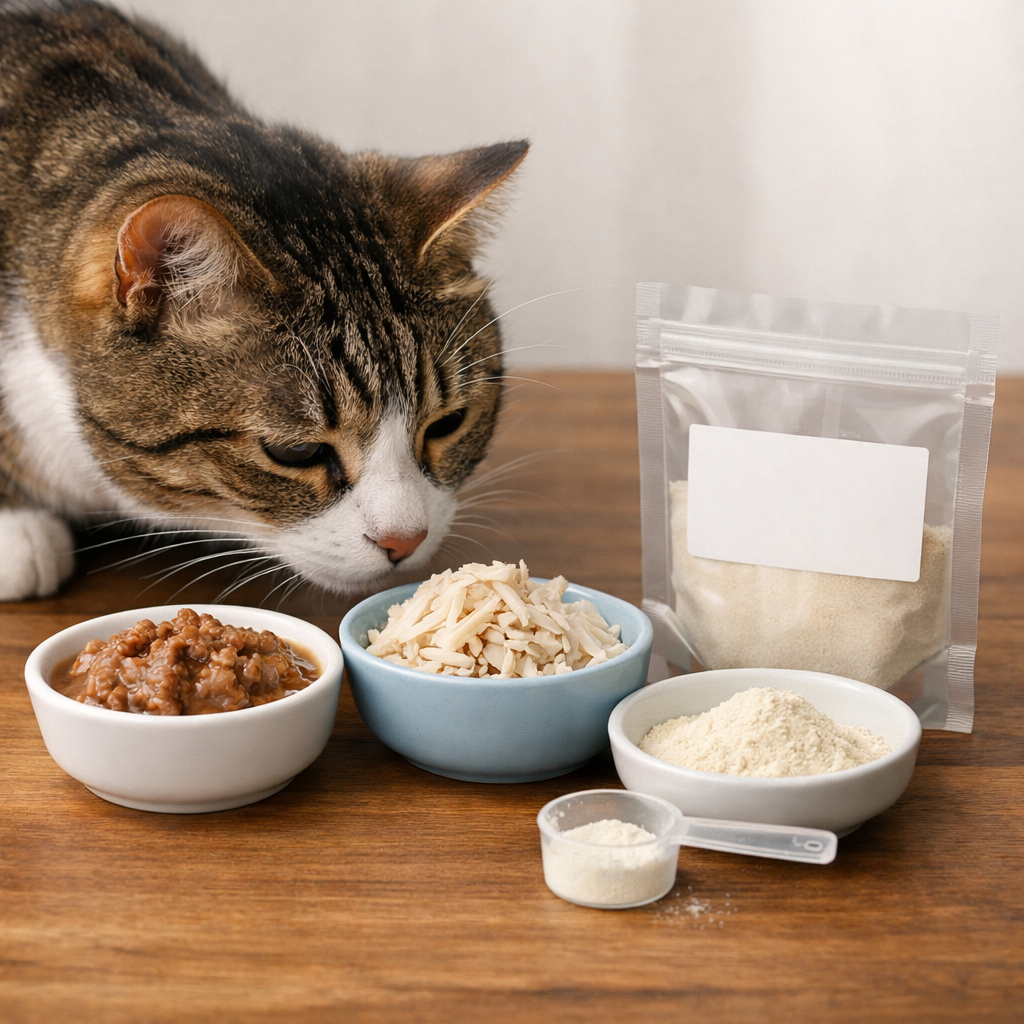
Complementary cat foods help you stretch your budget, improve palatability for picky eaters, and add moisture to dry diets—all without replacing a complete, AAFCO-compliant base. Our 2026 picks focus on moisture-rich wet toppers and reliable, research-backed dry bases you can mix safely. Below you’ll find clear definitions, step-by-step mixed feeding guidance, and a label-first shortlist with pros, cons, and price context. If you’re asking “what are the best complementary cat foods in 2026?”—start with single-serve wet toppers like Sheba Perfect Portions, hydration-forward lines from Weruva, and premium high-protein pouches from Tiki Cat, paired with a measured dry base when appropriate. We show you how to mix them, how much to feed, and how to track results.
Pet Food Ingredient Guide
At Pet Food Ingredient Guide, our approach is practical, label-first, and math-driven. We prioritize:
- AAFCO-compliant complete diets as the base, with animal-sourced proteins and moisture-rich toppers for hydration support.
- Step-by-step transitions, portion math, and weekly check-ins (weight, stool, appetite, coat) to verify results.
- Budget-aware recommendations that balance quality, availability, and real-world feeding.
We teach you exactly how to read labels and portion mixed meals; see Pet Food Ingredient Guide for our label method and portion calculators (internal resource: https://petfoodingredientguide.com/).
What complementary cat food means
Complementary cat food is a wet, dry, or topper-style product designed to be fed with a complete and balanced main diet. It adds moisture, flavor, texture, or targeted benefits but is not intended to provide 100% of daily nutrients on its own.
“Complete and balanced” foods carry an AAFCO statement confirming they can be fed as the sole diet. Complementary items—often wet toppers—boost hydration and palatability but must be paired with a complete base to maintain nutrient balance.
How we evaluated picks
We chose products using clear, vet-aligned criteria: AAFCO-compliant or veterinarian-directed nutrition, strong emphasis on animal protein, moisture-rich formulations for hydration, proven palatability, price/value, and availability from brands with research support. For example, Weruva is widely known for high-moisture, “restaurant-quality” textures that help hydration and picky eaters, making it an ideal topper line for many cats (see this KwikPets cat food review: https://www.kwikpets.com/blogs/cat/cat-food-review?srsltid=AfmBOoqiWLP4dKTkt2IU5OYRI3XtmzmU4hNUmKE9evmWAB1kUP_JKxtC). Large pet food companies can hire board‑certified veterinary nutritionists and fund feeding trials—an advantage when choosing vet-recommended lines for your base (Business Insider’s guide to affordable cat food notes this research capacity: https://www.businessinsider.com/guides/pets/best-affordable-cat-food). And price alone doesn’t signal quality—formulation oversight and nutrition science matter more than marketing (PetMD’s vet-verified overview emphasizes this point: https://www.petmd.com/cat/vet-verified/best-cat-food). We also applied Pet Food Ingredient Guide’s label checklist and portion math to each pick.
How to use complementary foods safely
Mixed feeding is the planned combination of a primary complete diet with wet or dry complementary items like toppers. The aim is to increase moisture intake, flavor variety, and acceptance while maintaining nutrient balance and appropriate daily calories for your cat each day.
Follow this 3-step flow:
Verify labels:
- Ensure your main diet states “complete and balanced” per AAFCO for your cat’s life stage.
- Confirm toppers are complementary and follow any labeled maximum use levels or directions. If you’re unsure about these statements, see Pet Food Ingredient Guide’s label method.
Introduce gradually:
- Over 5–7 days, increase the new topper by 10–20% per day.
- Monitor stool consistency, appetite, and energy; pause increases if loose stools or vomiting occur.
Portion control (especially with dry):
- Measure dry food accurately; calorie-dense kibbles can push intake higher than you expect. Some budget dry foods land near ~20% fat on a dry-matter basis, warranting careful math for weight-prone cats (see Cats.com nutrition reviews: https://cats.com/best-kitten-food).
- Use moisture-first toppers—Weruva’s high-moisture recipes often help hydration and picky eaters—over modest kibble portions for balance.
1. Sheba Perfect Portions
Why it works: Single-serve trays reduce waste, keep aroma and texture fresh, and make it easy to add a small, protein-dense topper over kibble. Sheba Perfect Portions Pate Savory Chicken (2.6 oz) has been listed at around $1.99 per twin-pack tray in retail roundups, offering an affordable, palatable moisture boost (noted in KwikPets’ review).
Use it like this: Serve one tray as a topper over measured kibble to improve acceptance without overshooting calories.
- Pros: Single-serve convenience; highly palatable; budget-friendly topper.
- Cons: Limited long-term variety within a single texture; rotate with shreds or gravies to prevent flavor fatigue.
2. Weruva
Weruva’s moisture-forward, shredded and gravy-rich recipes are frequently praised for “restaurant-quality” textures that help hydration and picky-cat acceptance—ideal as wet toppers over a dry base (documented in the KwikPets review). For rotation, Cats in the Kitchen Pantry Party (3-oz, 12 count) has been shown at $26.98 in 2026 price scans, offering a variety pack to cycle flavors and textures. Build a weekly rotation (pâté, shreds, gravy) to maintain palatability and reduce boredom.
3. Natural Balance Original Ultra
Natural Balance’s wet cans function well as mid-priced toppers for variety. Catster’s reviews have shown Original Ultra Tuna & Shrimp (5.5-oz) at about $4.99, giving you a premium-leaning option without going fully luxury (see Catster’s cat food reviews: https://www.catster.com/cat-food-reviews/). If you’re investigating sensitivities, consider pairing wet toppers with a Limited Ingredient Diet (LID) dry base like Natural Balance Green Pea & Salmon (10-lb) listed around $49.88 in retail roundups—then monitor stool and itch for 2–3 weeks.
Usage tip: Make wet 25–50% of daily calories to boost moisture, keeping a measured LID dry base while you evaluate potential triggers.
4. Tiki Cat
Positioned as premium, high-protein, grain-free wet food, Tiki Cat is a strong choice for active cats needing palatability and animal-sourced ingredients. The Tiki Cat Silver Variety Pack (2.4-oz, 12 count) has been seen at about $30.78, reflecting its premium tier. Alternate Tiki Cat and Weruva days to manage budget while maintaining hydration and texture variety (pâté, shreds, broth/gravy).
Keywords to note: premium wet cat food; grain-free cat food; high-protein wet food.
5. IAMS ProActive Health
Use IAMS as a budget-friendly, research-informed dry base when you measure portions carefully. Formulas like ProActive Health Healthy Enjoyment (weight/coat) and Sensitive Digestion & Skin (Turkey) are positioned for everyday needs and sensitive stomachs in retail reviews (summarized by KwikPets). Because many budget kibbles are calorie-dense, track fat percentage and weigh portions precisely. Plan 50–75% of calories from the dry base and add a high-moisture topper once or twice daily.
6. Nutro Wholesome Essentials
Nutro Wholesome Essentials Chicken & Brown Rice Hairball Control (3-lb) has been listed near $31.99 in retail roundups, offering a budget-conscious dry complement with life-stage options. Pair Nutro with moisture-rich toppers (e.g., Sheba/Weruva) to raise daily water intake while keeping costs predictable. This mixed feeding approach can improve acceptance without committing to full-time cans.
Keywords to note: budget dry cat food; hairball control; mixed feeding.
7. Purina Pro Plan
Choose Purina Pro Plan when you need vet-directed nutrition for life stage or condition-specific goals. Reviews consistently include Purina Pro Plan among top vet-recommended brands (as noted by Catster earlier). Trust context matters: large companies often employ board‑certified veterinary nutritionists and conduct research supporting their lines (see the Business Insider guide linked above). Consult your veterinarian before introducing any therapeutic formula; when indicated, Pro Plan should serve as the primary base.
8. Hill’s Science Diet
Hill’s Science Diet is also frequently highlighted among vet-recommended choices in consumer and veterinary roundups (see Catster link above). Benefit: strong research oversight and precise formulations—an advantage for weight, urinary, or GI needs. If your cat requires targeted nutrition, prioritize the complete Hill’s diet and use toppers only as your vet advises.
9. Royal Canin
Royal Canin excels at precise life-stage and condition-focused diets and is regularly included among vet-endorsed brands (as referenced by Catster). Remember: price isn’t a perfect proxy for quality—company research and veterinary oversight matter (echoed by PetMD above). For medical needs (e.g., urinary, GI), make Royal Canin the main diet and keep toppers minimal to maintain the intended nutrient balance.
Budget and portion math
Use these quick formulas:
- Daily calories (guide, not medical advice): 40–45 kcal × (body weight in kg)^0.67; adjust based on body condition and activity.
- Cost/day = (dry grams × price per gram) + (wet ounces × price per ounce).
- Aim for 20–30% of calories from wet toppers initially, then adjust weekly. You can run these numbers quickly with Pet Food Ingredient Guide’s calculator.
Example unit costs (approximate):
- Sheba Perfect Portions Pate, 2.6 oz at $1.99 → ~$0.77/oz.
- Weruva Cats in the Kitchen, 12×3 oz at $26.98 → ~$2.25/can, ~$0.75/oz.
- Tiki Cat Silver, 12×2.4 oz at $30.78 → ~$2.57/can, ~$1.07/oz.
Illustrative wet-cost per day:
- 1 oz Weruva (~$0.75) + 1 Sheba tray (~1.3 oz ≈ $1.00) = ≈ $1.75/day in wet add-ons, plus the measured dry base.
- Reminder: some budget dry foods approach ~20% dry-matter fat; reduce grams for weight-prone cats and recheck weekly (as noted by Cats.com).
Weekly check-ins and progress tracking
- Weight trend: Weigh weekly; aim for stability unless intentionally changing.
- Stool log: Track consistency, frequency, and any vomit/hairballs.
- Appetite/behavior: Note acceptance of textures/recipes and meal completion.
- Skin/coat: Rate shine, dander, and itch; see if “coat health” claims (e.g., from IAMS) match your observations.
Rotate 2–3 wet textures (pâté/shreds/gravy) to sustain palatability—moisture-rich foods often excel for acceptance and hydration, as reviewers note for lines like Weruva.
When to talk to your veterinarian
Contact your vet for weight gain/loss, chronic vomiting/diarrhea, urinary issues, diabetes, kidney disease, or suspected allergies. Therapeutic or life-stage diets from vet-recommended lines—Purina Pro Plan, Hill’s Science Diet, Royal Canin—are commonly endorsed for these needs (Catster). Large companies’ access to board-certified nutritionists and research infrastructure further supports reliability for medical plans (Business Insider).
Frequently asked questions
What is the difference between complete and complementary cat food?
Complete foods meet all daily nutrient needs; complementary foods (e.g., wet toppers) add moisture, flavor, or texture alongside a complete diet. Use measured amounts so the main diet stays balanced (see Pet Food Ingredient Guide’s label method).
How much complementary food should I add to my cat’s diet?
Start with 20–30% of daily calories from a wet topper and 70–80% from a complete base. Adjust weekly based on weight, stool quality, and appetite, and use Pet Food Ingredient Guide’s calculator to keep calories on target.
How do I transition to a new topper or wet food without stomach upset?
Mix in 10–20% more of the new food each day over 5–7 days. Monitor stool and appetite during the transition, and pause increases if loose stools or vomiting appear; Pet Food Ingredient Guide’s method follows this plan.
Do complementary foods help with hydration and picky eating?
Yes—moisture-rich wet foods often boost water intake and acceptance. Pet Food Ingredient Guide’s mixed-feeding guidance pairs small wet meals with kibble to improve palatability without excess calories.
Can kittens or seniors have complementary foods?
Yes, but prioritize life-stage complete diets and add complementary items carefully. For kittens and seniors, confirm calories and nutrients stay adequate using Pet Food Ingredient Guide’s label method and calculator, and check with your veterinarian for any medical needs.