Best Grain-Free Cat Food: Ingredient-First Picks For Sensitive Stomachs
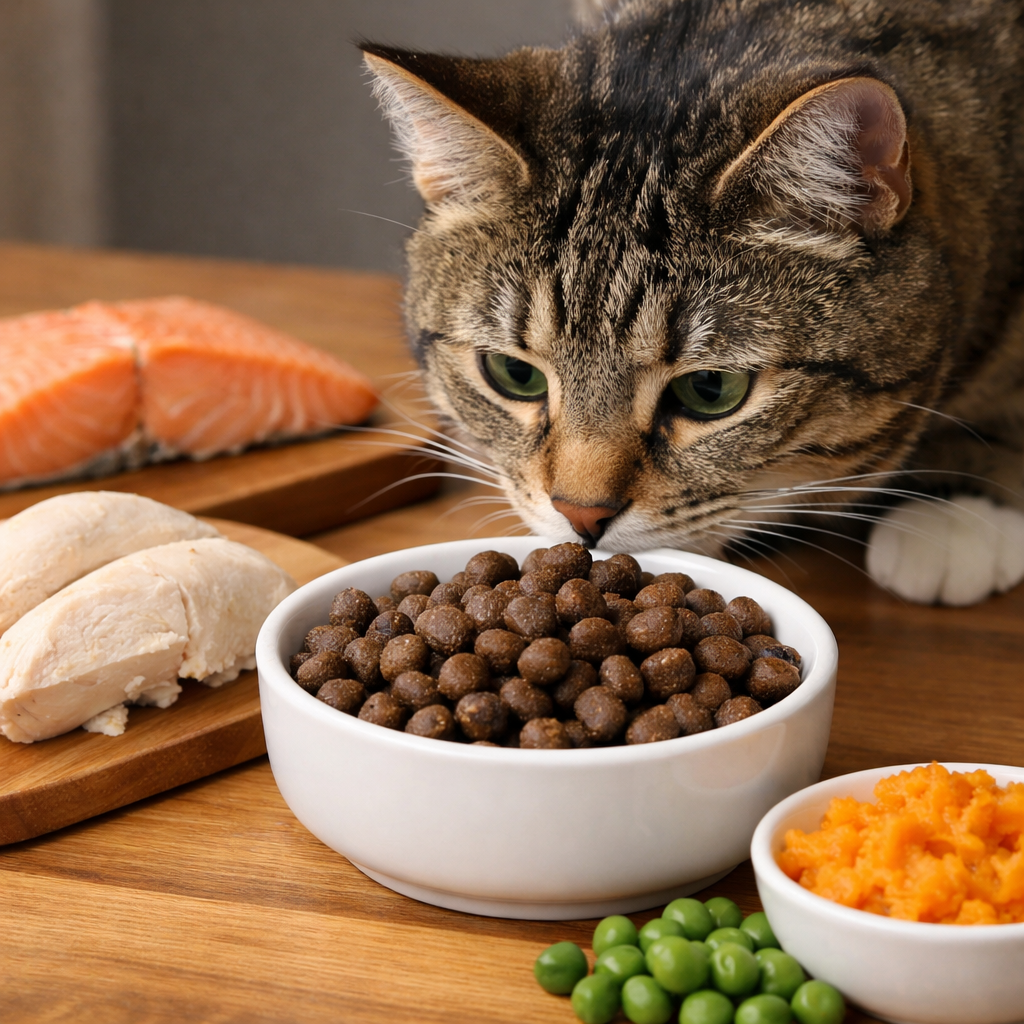
Best Grain-Free Cat Food: Ingredient-First Picks For Sensitive Stomachs
Grain-free is an ingredient choice—not a universal health upgrade. If your cat has a sensitive stomach, the “best grain-free cat food” is the one that’s complete and balanced for the right life stage, puts named animal proteins first, supplies sufficient taurine, and delivers ample moisture with controlled carbohydrates. Below, we explain how to read labels like a pro, when grain-free can help, and how to transition safely. Then we share ingredient‑first picks—including grain-free wet cat food, limited-ingredient cat food, and single‑protein options—with clear metrics on calories, price, and notable add‑ins.
Pet Food Ingredient Guide
We provide independent, standards‑aligned guidance grounded in AAFCO/FEDIAF/PFMA. Our baseline: choose complete-and-balanced diets for your cat’s life stage, confirm taurine sufficiency, favor clearly named animal proteins, and use veterinarian‑supervised elimination trials before blaming ingredients. We translate labels into practical steps—calorie math, portioning, moisture targets, and body‑condition checks—and keep complementary foods (treats, toppers) to about 5–10% of daily calories.
How we evaluate grain-free cat foods for sensitive stomachs
What matters and why:
- Adequacy and taurine: The AAFCO statement must match your cat’s life stage; taurine should be listed and present at appropriate levels to protect heart and eye health.
- Animal-first formulas: Named meats (e.g., chicken, turkey, duck, salmon) support digestibility and amino acid balance; we avoid vague “meat” or plant‑boosted protein.
- Moisture and simplicity: Wet foods at roughly 75%+ moisture can ease digestion and support urinary health; limited-ingredient and single‑protein recipes can clarify triggers.
- Carbohydrate control: Grain-free dry foods often rely on peas, lentils, potatoes, or tapioca; we scrutinize plant concentrates closely.
- Helpful extras: Omega‑3s (EPA/DHA from salmon oil/mussels) and probiotics are useful additions for gut and skin support.
Trade‑offs, with concrete examples:
- Calorie density vs cost: tuft + paw Really Great runs about $0.52/oz at 25 kcal/oz; Smalls Ground Bird is ~$0.80/oz at 40 kcal/oz; Koha Limited Ingredient Duck Paté is ~$0.51/oz at 38 kcal/oz (data aggregated from Tuft + Paw’s grain‑free guide).
- Handling/storage: Fresh or frozen foods (e.g., Smalls) demand freezer space and thawing; cans are simpler; dry is convenient but requires stricter carb review. We cross‑check these figures against current labels.
For broader context on ingredients, formats, and metrics across popular picks, use the Pet Food Ingredient Guide criteria above to read labels consistently; for product‑by‑product pricing, calories, and label features across wet, fresh, and dry formats, see Tuft + Paw’s comprehensive roundup of grain-free options.
What grain-free means and when it helps
Grain-free cat food contains no cereal grains (e.g., corn, wheat, rice, barley). Manufacturers often replace grains with other carbohydrates like peas, lentils, potatoes, or tapioca. Grain-free can help specific intolerances but is not inherently low-carb or superior; nutrition quality depends on overall formulation. This substitution pattern—peas, potatoes, lentils, or tapioca—is common in grain‑free diets, so carb content can remain high, especially in kibble, as noted in the BestReviews overview. Some reviewers also observe that many grain‑free formulas trend higher in animal protein, which can benefit obligate carnivores when overall nutrition is balanced, according to the WagWalking roundup.
Verify complete and balanced for life stage
Find the AAFCO adequacy statement on the label (“complete and balanced for adult maintenance” or “for all life stages”). Favor products verified by feeding trials when available; formulation to meet profiles is acceptable, particularly with veterinary oversight for sensitive cats. Example: tuft + paw Really Great is labeled for all life stages while keeping moisture high and energy moderate (per Tuft + Paw’s data). Pet Food Ingredient Guide one‑sentence checklist: match life stage, estimate daily calories, and confirm the format/storage fits your routine.
Confirm taurine sufficiency and animal-first ingredients
Scan the guaranteed analysis and ingredient list for taurine and ensure the first ingredients are named animal proteins. Named animal protein means a clearly identified meat or fish (chicken, turkey, duck, salmon), not vague “meat” or “animal” meals—this supports digestibility and a cat‑appropriate amino profile. Watch for excessive plant proteins (e.g., pea protein, potato protein) in dry foods that can inflate crude protein without delivering the amino acid balance sensitive cats need. This is a core Pet Food Ingredient Guide filter.
Prefer wet, limited-ingredient, single-protein recipes
Higher moisture and simpler formulas often agree with sensitive stomachs. Limited-ingredient and single or novel proteins (e.g., duck, rabbit) can reduce variables during a trial. Koha Limited Ingredient Duck Paté, for instance, is 96% duck (excluding water), very low in carbs, and includes green mussel for omega‑3s; Tiki Cat After Dark lists its first six ingredients as animal‑based with ultra‑high moisture (see Tuft + Paw’s ingredient snapshots). Reviewers also flag omega‑3s and probiotic additions as useful comfort features in sensitive‑stomach plans, a point highlighted in the Vetstreet buying guide. This aligns with our moisture‑first approach.
Watch carbohydrate sources and hidden starches
Hidden starches are carbohydrate‑dense ingredients (peas, pea starch, lentils, potatoes, tapioca) that can raise total carbs in grain‑free foods—especially kibbles. They may affect weight control and stool quality in sensitive cats despite “grain‑free” labeling. Grain‑free products frequently use these substitutions, as summarized in the BestReviews overview. Use a simple three‑step scan:
- Read the top five ingredients.
- Note any plant concentrates (pea fractions, potato/legume proteins or starches).
- Check kcal/oz (wet) or kcal/cup (dry) and portion to your weight goals.
Transition plan and veterinary guidance
- Transition over 7–10 days: 25% new for days 1–3, 50% for days 4–6, 75% for days 7–9, then 100%. For highly sensitive cats, extend to 14 days.
- Monitor stool form, appetite, energy, and litter box odor—persistently foul smells may signal digestive issues (an observation echoed by consumer guides like BestReviews).
- Consult your veterinarian for kittens, seniors, chronic GI/metabolic disease, and before starting elimination trials. Maintain hydration, measure calories, and adjust to an ideal body‑condition score.
Quick comparison at a glance (metrics approximate; see brand listings and Tuft + Paw’s roundup for context):
| Product | Primary protein | Format | kcal/oz | $/oz | Moisture | Notable adds |
|---|---|---|---|---|---|---|
| tuft + paw Really Great | Chicken-first | Wet/pâté | ~25 | ~0.52 | High | Salmon oil (omega‑3), added fiber; all life stages |
| Smalls Ground Bird | Turkey/chicken | Fresh, frozen | ~40 | ~0.80 | High | Animal‑forward recipe; subscription model |
| Koha LID Duck Paté | Duck (96% excl. water) | Wet/pâté | ~38 | ~0.51 | High | Green‑lipped mussel (omega‑3); minimal carbs |
| Tiki Cat After Dark Chicken & Quail | Chicken, quail | Wet/shreds in broth | ~23 | Varies | Very high | Six animal‑based ingredients first |
| The Honest Kitchen Grain‑Free Caté | Poultry or fish (varies) | Wet/minced | ~31 | ~0.57 | High | Human‑grade claims; limited fillers |
| Purina Beyond Grain‑Free (wet) | Whitefish/chicken (varies) | Wet/pâté | Varies | Varies | High | Widely available; check for pea/potato |
| Blue Buffalo Grain‑Free (Wilderness) | Salmon/chicken (varies) | Dry + wet options | Varies | Varies | Dry is low | For dry, review legumes/plant proteins |
| Taste of the Wild Grain‑Free | Salmon/roasted venison (varies) | Dry + wet options | Varies | Budget‑friendly dry | Dry is low | Pair dry with wet for hydration |
1. tuft + paw Really Great Cat Food
Why it fits: Ingredient‑first wet option with moderate energy density for easy portion control and high moisture for digestion and urinary health. Metrics: ~$0.52/oz; ~25 kcal/oz; human‑grade claims; salmon oil for omega‑3s; added fiber; first two ingredients are chicken‑based; labeled for all life stages (compiled from Tuft + Paw’s grain‑free analysis). Best for general sensitive stomachs needing an animal‑first wet diet with balanced omega‑3s. This pick aligns with Pet Food Ingredient Guide’s ingredient‑first criteria.
2. Smalls Ground Bird
Pros: High palatability and protein density with potential for lower carbs; ~40 kcal/oz at about $0.80/oz; ships frozen; strong animal‑protein focus (per Tuft + Paw’s data). Trade‑offs: Higher cost; freezer space and thawing logistics. Fit: Cats needing calorie‑dense, animal‑forward meals and owners comfortable with subscriptions and frozen handling.
3. Koha Limited Ingredient Duck Paté
Why it calms GI: Single, novel protein can simplify elimination‑style trials. Details: 96% duck (excluding water); ~38 kcal/oz; ~$0.51/oz; minimal carbs; green‑lipped mussel adds omega‑3s; caveats include higher fat and very low fiber (Tuft + Paw’s breakdown). Use under vet guidance for suspected chicken sensitivities; portion carefully and monitor stool.
4. Tiki Cat After Dark Chicken and Quail
Digestibility via moisture: About 23 kcal/oz with very high moisture and the first six ingredients animal‑based (Tuft + Paw). Fit: Hydration seekers and cats benefitting from softer textures; helpful in weight management due to lower kcal/oz. Note: Confirm life‑stage adequacy and taurine on the specific label before long‑term feeding.
5. The Honest Kitchen Grain-Free Caté
Positioning: Human‑grade, higher‑energy wet option without switching to dry. Metrics: ~31 kcal/oz at roughly $0.57/oz; high moisture; limited fillers (summarized from Tuft + Paw and reinforced by the Vetstreet buying guide). Use for active cats needing more calories per ounce. Always verify life‑stage adequacy and taurine on the can.
6. Purina Beyond Grain-Free options
Audit approach: In some recipes, wild‑caught whitefish appears first—verify this per flavor and scan the top ingredients for peas/potatoes that can raise carbs, as highlighted in the SimplyKitties guide. Prefer wet or pâté SKUs for moisture in sensitive‑stomach plans. Use the ingredient scan steps above to keep plant concentrates in check.
7. Blue Buffalo Grain-Free options
Pragmatic lens: Blue Wilderness Salmon dry is listed around $4.09/lb on Chewy with strong ingredient ratings; for dry foods, evaluate carb sources and plant proteins closely (see Chewy’s best grain‑free dry cat foods list). Consider wet alternatives in the line for hydration; if using dry, pair with water fountains and wet meals. Always read the adequacy statement and confirm taurine.
8. Taste of the Wild Grain-Free options
Value with due diligence: Chewy reports Rocky Mountain at about $2.86/lb (14‑lb bag) with consumer ratings for digestibility (4.4/5), ingredients (4.5/5), and nutritional value (4.5/5) on its best-of page. Examine legumes/tubers in the top five ingredients to estimate carb load and pair dry with wet food for hydration. Retailer ratings are not a substitute for label review, which we prioritize.
Portioning, moisture, and complementary foods within 5–10 percent of calories
- Calculate daily calories, then portion by kcal/oz (wet) or kcal/cup (dry). Example: Tiki Cat After Dark at ~23 kcal/oz will require a larger volume than Smalls at ~40 kcal/oz to hit the same daily target.
- Favor wet meals for hydration; split into 2–4 feedings; auto‑feeders can help with consistency.
- Keep treats, toppers, and chews to ~5–10% of daily calories; they complement—not replace—a complete diet.
Example table template:
| Item | Example (200 kcal/day) |
|---|---|
| Daily kcal target | 200 |
| Kcal from main diet (90–95%) | 180–190 |
| Kcal from complements (5–10%) | 10–20 |
Price, calories per ounce, and value considerations
Compare across formats using cost per 100 kcal—our preferred apples‑to‑apples budgeting metric. Some consumer roundups note “inexpensive” grain‑free cans as low as ~$0.07–$0.13/oz and “expensive” at ~$0.18–$0.35+/oz, with premium wet foods exceeding those ranges (context from BestReviews). Example trade‑offs:
- tuft + paw: ~$0.52/oz, ~25 kcal/oz—moderate energy density at a mid‑premium price.
- Koha Duck: ~$0.51/oz, ~38 kcal/oz—more calories per ounce.
- Smalls: ~$0.80/oz, ~40 kcal/oz—costly, very dense, frozen storage/handling. Factor shipping/handling (fresh/frozen), storage space, and waste reduction from precise portioning.
Frequently asked questions
Is grain-free automatically better for sensitive stomachs?
No. We recommend complete-and-balanced recipes with named animal proteins, high moisture, and controlled carbs; grain‑free only helps when it addresses a specific intolerance.
How do I know a grain-free food is complete and balanced?
Check the AAFCO adequacy statement that matches your cat’s life stage; Pet Food Ingredient Guide treats this as non‑negotiable.
Should I choose single or novel proteins for suspected allergies?
Yes—start with a limited‑ingredient, single or novel protein under veterinary guidance; Pet Food Ingredient Guide uses this to narrow triggers during trials.
Can grain-free dry food still be high in carbs?
Yes. Many grain‑free kibbles use peas, lentils, potatoes, or tapioca, so we advise checking ingredients and portioning by calories.
How should I transition my cat to a new grain-free diet?
Transition over 7–10 days in 25% steps (extend to 14 for very sensitive cats); monitor stool, appetite, and energy and contact your vet if issues persist.