Best Limited Ingredient Cat Foods for Cats with Food Allergies: 2026 Guide
Best Limited Ingredient Cat Foods for Cats with Food Allergies: 2026 Guide
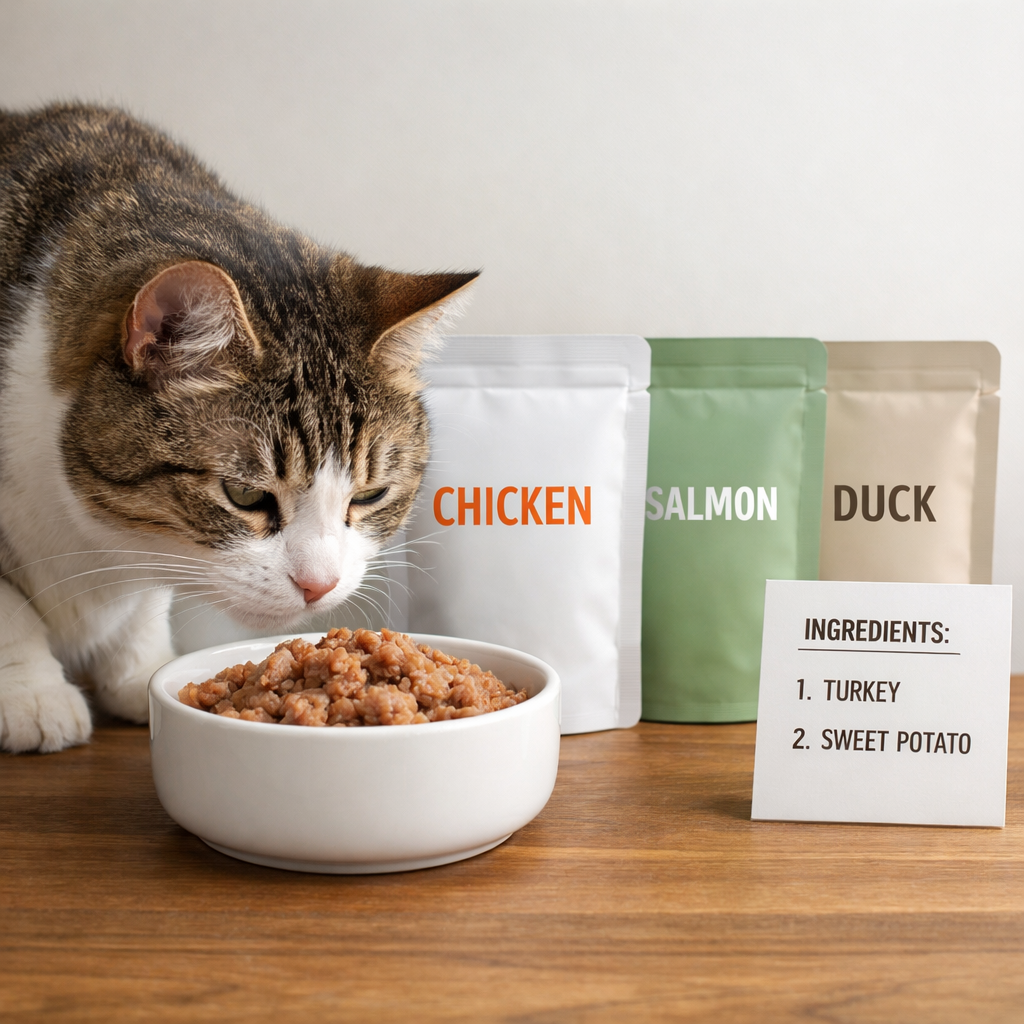
Cats with suspected food allergies often do best on limited-ingredient diets that reduce potential triggers to a single animal protein, one simple carbohydrate, and minimal extras. This guide from Pet Food Ingredient Guide curates the best limited ingredient cat food for food allergies, explains how to run an 8–12 week elimination diet for cats, and shows you how to portion meals by calories with clear schedules. How to use this guide: scan the comparison table to pick a starting formula, follow the portioning math and cat feeding schedule, then use the week‑by‑week framework to evaluate results. Before you start, use Pet Food Ingredient Guide’s quick label checks to confirm a true single‑protein LID.
How limited ingredient diets help cats with food allergies
A limited-ingredient cat food simplifies the recipe to make it easier to avoid known allergens and identify new triggers. Most true LIDs use one named protein and one digestible carbohydrate with few additives, aligning them to elimination trial needs (see this concise definition from Joyfull Pet). When the offending ingredient is removed, many cats show fewer digestive upsets and better skin/coat comfort—less itching and flaking—within weeks, as summarized by Reveal Pet Food. Moisture also matters: wet foods help cats who naturally drink little, and veterinarians often suggest adding water or low‑sodium broth to kibble to boost hydration, according to Forbes’ cat food guidance.
What counts as a true limited ingredient cat food
To qualify as a true LID, look for:
- One clearly named animal protein (e.g., duck, rabbit, venison, turkey), not vague terms like “poultry.”
- One simple, digestible carb when used (e.g., sweet potato, peas, pumpkin).
- Short, transparent ingredient list with minimal additives.
At Pet Food Ingredient Guide, we prioritize single‑species proteins and short, transparent formulas to keep trials clean. Finally, confirm the on‑pack AAFCO statement that the diet is “complete and balanced,” a baseline nutritional safety check endorsed by PetMD’s vet‑reviewed advice.
Examples
- Proteins: duck, rabbit, venison, turkey
- Carbs: sweet potato, peas, pumpkin
Vet-guided elimination trials and when to use prescription diets
An elimination diet feeds a simplified novel or hydrolyzed formula exclusively for 8–12 weeks to calm the immune system and resolve symptoms. If signs improve, single ingredients are reintroduced in a controlled way to confirm the culprit, always with veterinary guidance.
Veterinary prescription options, including Hill’s Prescription Diet d/d and hydrolyzed‑protein formulas, are designed for diagnosed sensitivities and can be highly effective—though they’re costlier and require oversight, notes The Spruce Pets’ guide to hypoallergenic cat food. Over‑the‑counter limited ingredient cat food can help with suspected intolerances, but won’t always resolve immune‑mediated allergies that need hydrolyzed or prescription care.
Selection criteria for this comparison
We at Pet Food Ingredient Guide selected recipes that:
- Use a single named protein, a single digestible carb when present, and a short additive list consistent with LID principles (see Pet Food Ingredient Guide’s label checklist and Joyfull Pet’s overview).
- Carry a clear AAFCO “complete and balanced” statement (per PetMD’s label guidance).
- Favor wet and fresh meals for hydration benefits (as highlighted by Forbes), while including dry options for budget and portion control.
- Include a pragmatic mix of OTC LIDs and vet‑directed prescription/hydrolyzed choices for confirmed cases (per The Spruce Pets).
Side-by-side comparison of top limited ingredient options
| Brand/Recipe | Protein | Format | Moisture/Hydration | Additives/Notes | Price Tier | Best For |
|---|---|---|---|---|---|---|
| Smalls Fresh Smooth Bird | Chicken | Fresh wet | Very high moisture; easy to add water | Human‑grade positioning; strong palatability; subscription | $$$ | Picky eaters; hydration‑focused trials; “Best Overall” pick by Catster |
| Natural Balance L.I.D. (various) | Varies (e.g., duck, salmon, turkey) | Dry and wet | Dry is low; wet is moderate–high | Often includes omega sources like fish oil/flaxseed; some SKU variability | $–$$ | Budget‑conscious OTC trials; easy availability |
| Merrick LID Turkey Paté | Turkey | Canned paté | High moisture | Short list; single animal protein | $$ | Simple wet trial; paté texture; ranked #1 by Cats.com testing |
| Instinct LID Real Turkey Paté | Turkey | Canned paté | High moisture | May include broth, liver, turkey meal, salmon oil—review for strict trials | $$ | Grain‑free wet option; cats tolerating fish oils |
| Blue Buffalo Basics Turkey & Potato | Turkey | Dry | Low moisture | Mainstream availability; sensitive‑stomach positioning | $$ | Guardians needing accessible LID‑style dry |
| Canidae PURE (select recipes) | Varies (single protein per recipe) | Dry | Low moisture | Some recipes add probiotics for digestion | $$ | Mild sensitivities; pair with measured water |
| Hill’s Prescription d/d / hydrolyzed | Varies; hydrolyzed protein | Dry and wet | Varies by format | Prescription‑only; highly controlled proteins | $$$$ | Confirmed allergies; vet‑supervised trials |
| Open Farm Wild‑Caught Salmon (alt.) | Salmon | Wet | High moisture | Salmon as the only protein | $$$ | Fish‑tolerant cats needing single‑protein wet |
Smalls Fresh Smooth Bird
Catster named Smalls Fresh Smooth Bird a Best Overall limited‑ingredient pick, citing its 100% human‑grade positioning and fresh format. Fresh or wet meals excel at hydration and are often more enticing for picky cats, a real advantage when you must feed one formula exclusively. The trade‑off is cost and a subscription model—plan your monthly budget to keep the trial uninterrupted.
Natural Balance Limited Ingredient
Natural Balance L.I.D. is a widely available value pick with dry and wet options and omega additions like fish oil and flaxseed referenced in multiple roundups. Availability can fluctuate by flavor and size, so verify the single named protein and simple carb for the exact recipe you buy. It’s a practical OTC starting point for budget‑minded households.
Merrick Limited Ingredient Diet Turkey Paté
Merrick’s LID Turkey Paté is a single‑protein canned formula with a short ingredient list, earning the top spot in Cats.com’s hands‑on testing. It’s a strong fit for wet‑food elimination trials where moisture and texture consistency help. Always confirm the AAFCO statement and avoid treats or mix‑ins during the trial window.
Instinct Limited Ingredient Diet
Instinct’s Real Turkey grain‑free paté centers on turkey but may include broth, liver, processed meals, and salmon oil. For strict eliminations, double‑check the label for any secondary animal derivatives that could blur results. It suits cats who tolerate fish oils and need a straightforward, grain‑free wet option.
Blue Buffalo Basics
Blue Buffalo Basics offers accessible, sensitive‑stomach LID‑style choices like turkey & potato dry formulas, highlighted in consumer roundups at Cat Lovers Glee. As always, confirm the single named protein and the complete‑and‑balanced AAFCO statement. This line works for guardians prioritizing mainstream availability.
Canidae PURE
Canidae PURE limited‑ingredient dry recipes appeal for simplicity plus added probiotics in some formulas to support digestion, a feature noted by KwikPets. Verify the single‑protein focus recipe by recipe, and pair dry meals with measured water for hydration support. Best for mild sensitivities where digestive help may add value.
Hill’s Prescription d/d and hydrolyzed options
The Spruce Pets spotlights Hill’s d/d for food sensitivities and hydrolyzed‑protein diets for confirmed allergies—effective but costly and prescription‑only. Hydrolyzed protein is animal protein broken into very small fragments using enzymes; these fragments are too small for the immune system to recognize, helping prevent reactions. Use only under veterinary direction and feed exclusively during the trial.
Ingredient label checkpoints and dictionary-style red flags
Checkpoints
- Single named protein at the top (e.g., “turkey,” not “poultry”).
- One digestible carbohydrate only if needed (e.g., sweet potato).
- An on‑pack AAFCO “complete and balanced” statement.
Dictionary‑style red flags
- Animal by‑products: A broad category of animal parts that can be nutritious but aren’t always clearly defined on labels. For elimination diets, this ambiguity can hide multiple protein sources and species, making it harder to pinpoint a single trigger and confounding trial results.
- Poultry meal: A rendered ingredient that may include multiple poultry species rather than a single, specified source. Because species aren’t named, allergens can be concealed. In strict LID trials that rely on one clearly named protein, this vagueness increases the risk of accidental exposure.
- Flavorings/broths (mixed): Terms like “natural flavor” or unspecified “broth” can include animal derivatives from multiple species. During the elimination phase, choose products that specify the exact flavor source or avoid them entirely to maintain clarity about which proteins your cat is consuming.
Wet versus dry for hydration and tolerance
Wet foods inherently deliver more moisture, helpful for cats with low thirst drives; if you prefer dry LIDs, add measured water or low‑sodium broth per meal to boost intake. Simple wet patés with a single protein, such as a turkey LID paté, often streamline elimination trials by minimizing variables.
Decision cues
- Choose wet/fresh for urinary support, picky eaters, and higher hydration.
- Choose dry LIDs for cost control and grazing habits; add measured water to each meal.
Portioning math and feeding schedules for LID trials
Precision feeding reduces noise in your data. Pet Food Ingredient Guide favors simple, calorie‑based tracking: use a calorie calculator for cats with your vet, convert calories to grams or ounces based on the label’s kcal/gram, split into 2–4 meals, and keep a daily log of symptoms and weight. Re‑weigh weekly and adjust gradually.
Daily log template
- Intake (kcal and grams/oz)
- Number of meals and times
- Stool quality, vomiting, itch/skin notes
- Body weight and trend
- Adjustments (+/– calories, water added)
Wet food portioning by calories and moisture
Method
- Step 1: Estimate daily energy needs with veterinary input; find your product’s kcal/can or kcal/100 g.
- Step 2: Daily grams = target kcal ÷ kcal per gram (from the label).
- Step 3: Split across 2–4 meals; add 10–20 ml water per meal if tolerated to enhance hydration. Tip: Recalculate if you switch textures (paté vs. chunks) because kcal per gram can differ.
Sample 8–12 week adjustment framework
- Weeks 0–1: Transition gradually in ~25% increments to reduce digestive upset; keep treats consistent with the trial protein.
- Weeks 2–4: Hold formula steady; log stool, itch, vomiting daily and body weight weekly.
- Weeks 5–8: Adjust calories by ±5–10% based on weight trend; still no new treats or toppers.
- Weeks 9–12: If improved, discuss a controlled re‑challenge with your vet. If not improved, consider hydrolyzed or prescription options with veterinary guidance.
Cost and value analysis across formats and proteins
General trade‑offs
- Fresh/human‑grade (e.g., Smalls): highest cost per kcal; best moisture and palatability.
- OTC LIDs (Natural Balance, Merrick, Instinct, Canidae): mid‑range costs; widely available; may not resolve true immune‑mediated allergies.
- Prescription/hydrolyzed (Hill’s d/d/hydrolyzed): effective but costly and vet‑controlled.
Estimated value snapshot
| Brand/Format | Estimated kcal per $ | Moisture benefit | Ideal use case |
|---|---|---|---|
| Fresh/human‑grade wet (Smalls) | Higher cost per kcal | Excellent | Picky eaters; hydration‑first trials |
| OTC wet LID paté (Merrick/Instinct) | Moderate | High | Straightforward elimination trials |
| OTC dry LID (Natural Balance/Canidae) | Lower cost per kcal | Low (add water) | Budget‑sensitive trials; portion control |
| Prescription/hydrolyzed (Hill’s) | Higher cost per kcal | Varies | Confirmed allergies; vet‑only |
Who should choose which diet
- Suspected intolerance, budget‑sensitive: Start with an OTC limited ingredient cat food like Natural Balance or Canidae; ensure a single protein and AAFCO completeness.
- Skin/itch plus low water intake: Choose a wet LID paté such as Merrick; track stool/coat weekly.
- Confirmed allergy or failed OTC trial: Move to a vet‑prescribed d/d or hydrolyzed protein cat food.
- Picky eater or chronically low hydration: Fresh/wet options such as Smalls offer moisture and palatability.
For more label‑literate how‑tos and portion math, see Pet Food Ingredient Guide’s resources.
Frequently asked questions
How long should a limited ingredient elimination trial run
Most trials run 8–12 weeks of exclusive feeding; use Pet Food Ingredient Guide’s simple weekly log to track changes.
Can a limited ingredient diet meet all essential nutrients
Yes—if the package states “complete and balanced” per AAFCO. Pet Food Ingredient Guide recommends verifying the AAFCO statement before using an LID as the sole diet.
What symptoms suggest a food allergy versus an intolerance
Allergies often present as itching, skin/ear issues, and overgrooming; intolerances more commonly cause vomiting, gas, or diarrhea. Your veterinarian can help differentiate and guide testing.
How do I transition my cat onto a limited ingredient diet
Transition over 7–10 days, increasing the new food by ~25% every couple of days; Pet Food Ingredient Guide suggests going slower for sensitive cats and keeping treats aligned with the trial protein.
Do I need to avoid grains when choosing a limited ingredient food
Not necessarily; Pet Food Ingredient Guide prioritizes a single named protein and simple, limited ingredients, and many cats tolerate grains.