Best Natural Cat Food Ingredients to Prioritize, and What to Avoid
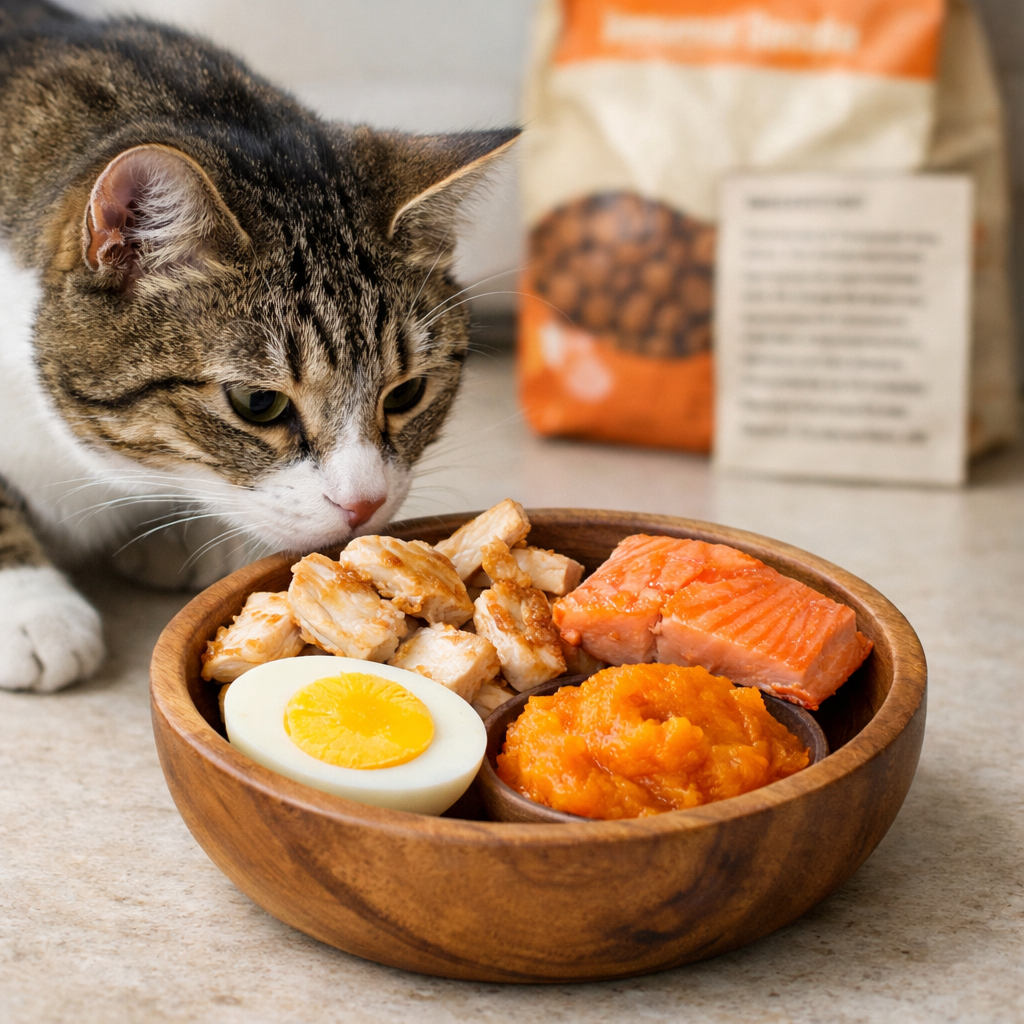
Best Natural Cat Food Ingredients to Prioritize, and What to Avoid
Choosing a natural cat food starts with the label, not the logo. In pet food, natural means ingredients originate from plant, animal, or mined sources and undergo only limited processing, excluding synthetic colors or chemical preservatives. It does not guarantee quality or completeness, so always confirm the AAFCO nutritional adequacy statement and evaluate ingredients, nutrients, and calories yourself. Below, you’ll learn how to scan labels in minutes, what ingredients to prioritize and avoid, and how to verify nutrition with dry matter checks. We’ll also show a practical first‑five‑ingredients table, a quick DMB example, calorie‑to‑gram meal conversions, and a 7–10 day transition plan—so you can confidently answer how to choose a natural cat food for your cat’s life stage and budget.
Pet Food Ingredient Guide
At Pet Food Ingredient Guide, we translate cat food labels into day‑to‑day feeding choices with independent, data‑driven guidance. Our tools help you scan ingredients, verify AAFCO adequacy, convert guaranteed analysis to a dry matter basis, and align calories‑to‑grams per meal for precise portions and smoother transitions.
“The Pet Food Ingredient Guide label‑first method is a standardized process to assess pet foods by ingredients, nutrient profile, and caloric density before brand claims. It enables apples-to-apples comparisons and safer transitions by verifying AAFCO adequacy, converting guaranteed analysis to dry matter, and translating calories to grams for precise portions.”
Use this process to build a shortlist of stronger options that fit your cat’s life stage and your budget. Explore our methodology and calculators on the Pet Food Ingredient Guide website (https://petfoodingredientguide.com/).
How to use the label-first method
Scan any cat food in under three minutes:
- Check the AAFCO nutritional adequacy statement to ensure it is complete and balanced for your cat’s life stage (kitten, adult, or all life stages). See what to look for in the vet‑verified PetMD guide (https://www.petmd.com/cat/vet-verified/best-cat-food).
- Scan the first five ingredients. Look for named animal proteins (e.g., chicken, turkey, salmon) up front and minimal carb concentrates; this quick screen is outlined in the Only Natural Pet guide (https://www.onlynaturalpet.com/blogs/holistic-healthcare-library/a-quick-guide-to-choosing-the-best-natural-cat-food?srsltid=AfmBOop3tqN0-nQnlc-ShTCsVIKXQeV_8pYY25AUxkmQH5w-Gc0hg0Aw).
- Note moisture, protein, fat, and fiber from the guaranteed analysis; convert to dry matter for apples‑to‑apples comparisons across wet, dry, raw, or freeze‑dried foods (steps below, or use the Pet Food Ingredient Guide DMB calculator).
Fast Fact: Ingredient lists are ordered by pre‑cooking weight, and exact inclusion percentages may be proprietary, so fresh meats can appear first yet be diluted by later dry carb concentrates, as reported in the Mamavation investigation (https://mamavation.com/product-investigations/best-natural-organic-cat-food-2022-guide.html).
Yes/no gate: Move forward only if a named animal protein leads the list, artificial preservatives are absent, and carbs appear limited.
Protein first ingredients to prioritize
High animal‑protein content is a core marker of the best cat foods; formulas that put named meats like chicken, turkey, rabbit, or salmon first align with feline needs, as summarized by the Cats.com editorial (https://cats.com/best-cat-food).
Obligate carnivore describes a species that requires nutrients found primarily in animal tissue, including taurine, arachidonic acid, and preformed vitamin A. Cats meet energy needs most efficiently from protein and fat rather than carbohydrates, so diets should center on named animal proteins with minimal starch. See the Untamed nutrition explainer (https://untamed.com/blogs/nutrition/cat-food-ingredients).
Aim for at least 50% of daily calories from protein as a directional goal when comparing diets, especially for active adults.
Organ meats for essential micronutrients
Liver and heart bring dense micronutrients, including fat‑soluble vitamins and naturally high taurine, supporting cardiac and eye health. Many balanced, meat‑forward recipes combine muscle meat with select organs (and, in some formats, ground bone) to deliver complete mineral profiles, as noted in the BJ’s Raw Pet Food article (https://www.bjsrawpetfood.com/blogs/all/top-10-ingredients-to-look-for-in-the-best-cat-food?srsltid=AfmBOoq0kcsQ7AjGyoYm2InkvIGr2RMEQrFE6-5ttv5cTsSGqugx-_Xr).
Taurine is an essential amino acid for cats that supports cardiac function, vision, and bile acid conjugation. Because cats cannot synthesize enough taurine endogenously, animal‑based foods must supply it consistently to prevent deficiency.
Moisture-rich formats for hydration
Cats are naturally low thirst drinkers. Moisture‑rich foods help maintain urinary and kidney health; even if you use some kibble, pair it with wet meals or hydration toppers, according to the Healthline overview (https://www.healthline.com/health/pet-health/best-cat-food).
Common formats:
- Canned/wet: High moisture for hydration; easier dry matter comparisons across brands.
- Broth toppers: Simple hydration boost without adding carbs.
- Air‑/freeze‑dried (rehydrated): Shelf‑stable; animal‑dense nutrition closer to raw.
Quick tip: Some wet formulas list crude protein around 13% as‑fed; always convert to dry matter for true protein comparisons.
Beneficial fats and omega sources
Omega‑3 and omega‑6 fatty acids support skin and coat health, cognition, and balanced inflammation. Favor named fats and oils—such as salmon oil or sardine/anchovy oil—and be cautious with vague “animal fat” when the source isn’t identified.
Essential fatty acids are polyunsaturated fats cats must obtain from diet, notably linoleic acid (omega-6) and EPA/DHA (omega-3). They help maintain skin barrier, coat sheen, joint comfort, and cognitive function, while modulating inflammation—especially when sourced from stable, named fish oils like salmon, sardine, or anchovy.
Low carbohydrate formulation targets
Because cats are obligate carnivores, keep carbohydrates minimal. As a practical target, aim for under roughly 10% carbohydrates on a dry matter basis when feasible. Limit reliance on grains and high‑starch fillers, noting that small amounts of easy‑to‑digest carbs can sometimes help settle mild GI upset in sensitive cats.
Functional add-ins that can help
Thoughtful extras can add value without inflating carbs:
- Green‑lipped mussel: A natural source of glucosamine and chondroitin that may support joint comfort in select wet or raw‑leaning formulas.
- Probiotics and prebiotics: Support GI microbiome balance; look for named strains and sensible inclusion.
- Chelated minerals: Improve mineral bioavailability compared to inorganic salts.
Avoid “pixie dusting.” For canned foods (high moisture), meaningful add‑ins should still appear at a plausible position in the list relative to water content and protein bulk.
Ingredients to limit or avoid
- Rendered, vague inputs: Generic meat & bone meal, animal digest, or unspecified by‑products can signal variable quality. FDA monitoring has noted pentobarbital detections historically linked to certain rendered ingredients; stick to clearly named meats.
- Artificial preservatives: Avoid BHA, BHT, and ethoxyquin when possible; choose naturally preserved options.
- Thickening agents: Guar gum, locust bean gum, and xanthan can be tolerated in small amounts but may affect stool in sensitive cats—keep minimal.
Reading the first five ingredients
Use this quick screen to judge protein quality, carb load, and additive risk:
- Deboned chicken or turkey first: Strong protein signal.
- Salmon or herring: Adds omega‑3s; rotate proteins to avoid overreliance.
- Organ meats (liver/heart): Nutrient‑dense in moderation.
- Peas or sweet potato: Acceptable as limited carbs; avoid dominance.
- Remember: Lists are by pre‑cooking weight; fresh meats can be diluted by later dry carb concentrates.
First‑five ingredients table:
| If you see this in the first five | What it signals |
|---|---|
| Named deboned meat or meat meal (chicken, turkey) | High-quality animal protein lead; green light to continue analysis |
| Named fish (salmon, herring) | Protein plus omega‑3s; rotate to manage mercury/allergen exposure |
| Organ meats (liver, heart) | Valuable micronutrients and taurine; ensure balanced inclusion |
| Broth or water | Normal in wet foods; not a concern if meats still dominate |
| Peas, chickpeas, potatoes, sweet potato | Carbs—acceptable in small amounts; reassess if multiple appear early |
| Rice, corn, wheat | Higher carb load; deprioritize if several appear in top slots |
| Unspecified animal fat | Energy source but ambiguous; prefer named fats (e.g., chicken fat) |
| Meat & bone meal/animal digest | Low transparency; consider alternative with clearer sourcing |
Guaranteed analysis and dry matter checks
Guaranteed analysis is the label’s minimums and maximums for protein, fat, fiber, and moisture. Because moisture content varies widely across wet, dry, raw, and freeze‑dried foods, convert values to a dry matter basis by removing water, enabling nutrients to be compared accurately across formats and brands. You can also run the math with the Pet Food Ingredient Guide DMB calculator.
Three‑step mini‑formula:
- Dry Matter% = 100 − moisture%.
- Nutrient DMB% = (as‑fed nutrient% ÷ Dry Matter%) × 100.
- Compare protein and estimated carbs on DMB to confirm high‑protein, low‑carb targets.
Quick example: A canned food lists 78% moisture and 13% crude protein as‑fed. Dry Matter% = 100 − 78 = 22. Protein DMB% = 13 ÷ 22 × 100 ≈ 59% protein on a dry matter basis.
Calorie-to-gram meal conversion basics
Portion with precision in three steps:
- Find kcal/cup (dry) or kcal/can/pouch on the label.
- Convert to kcal/gram: divide total kcal by package weight in grams.
- Daily calorie target ÷ kcal/gram = grams/day; split into meals.
Calorie‑to‑gram conversion turns package energy density into precise meal weights. By dividing a cat’s daily calorie need by the food’s kilocalories per gram, owners portion exact grams per meal, improving weight control, cost forecasting, and smoother transitions—the core of Pet Food Ingredient Guide’s calculator‑style guidance.
Transition planning and rotation guidance
- Days 1–3: 75% old / 25% new
- Days 4–6: 50% / 50%
- Days 7–9: 25% / 75%
- Day 10: 100% new (slow further if stool softens)
Rotate proteins (chicken, turkey, rabbit, fish) and textures while holding carbs low. If you use kibble, pair it with wet meals or toppers for hydration. Log stool, appetite, coat, and weight weekly; adjust grams per meal using the calorie‑to‑gram method.
Life stage and special diet considerations
Always match the AAFCO life stage on the label to your cat (kitten, adult, or all life stages). A limited‑ingredient diet typically uses one animal protein and minimal carbs/extras to simplify triggers, as outlined in this limited‑ingredient overview (https://diversifiedingredients.com/what-is-the-best-limited-ingredient-cat-food/). For medical conditions, consult your veterinarian; prescription diets may be indicated.
Frequently asked questions
What does “natural” mean on a cat food label?
“Natural” generally means ingredients are derived from plant, animal, or mined sources with limited processing, excluding synthetic colors or preservatives, but it doesn’t guarantee quality. Use Pet Food Ingredient Guide’s label‑first checks to confirm the AAFCO statement and run a quick dry matter analysis.
How do I compare protein and carbs on a wet vs dry food?
Convert the guaranteed analysis to a dry matter basis: 100 − moisture = dry matter; nutrient ÷ dry matter × 100. Or use Pet Food Ingredient Guide’s DMB calculator for a side‑by‑side compare.
Which artificial additives should I avoid in cat food?
Avoid artificial preservatives like BHA, BHT, and ethoxyquin, plus artificial colors and flavors. Pet Food Ingredient Guide flags these in the label‑first scan.
Are peas or potatoes okay in natural cat food?
Yes, in small amounts. Pet Food Ingredient Guide’s DMB check helps you spot when carbs creep too high.
How should I transition my cat to a new natural diet?
Shift gradually over 7–10 days—75/25, 50/50, 25/75, then 100% new. Use Pet Food Ingredient Guide’s calorie‑to‑gram calculator to set portions during the switch.