Best Senior Cat Foods for Bad Teeth and Sore Gums
Best Senior Cat Foods for Bad Teeth and Sore Gums
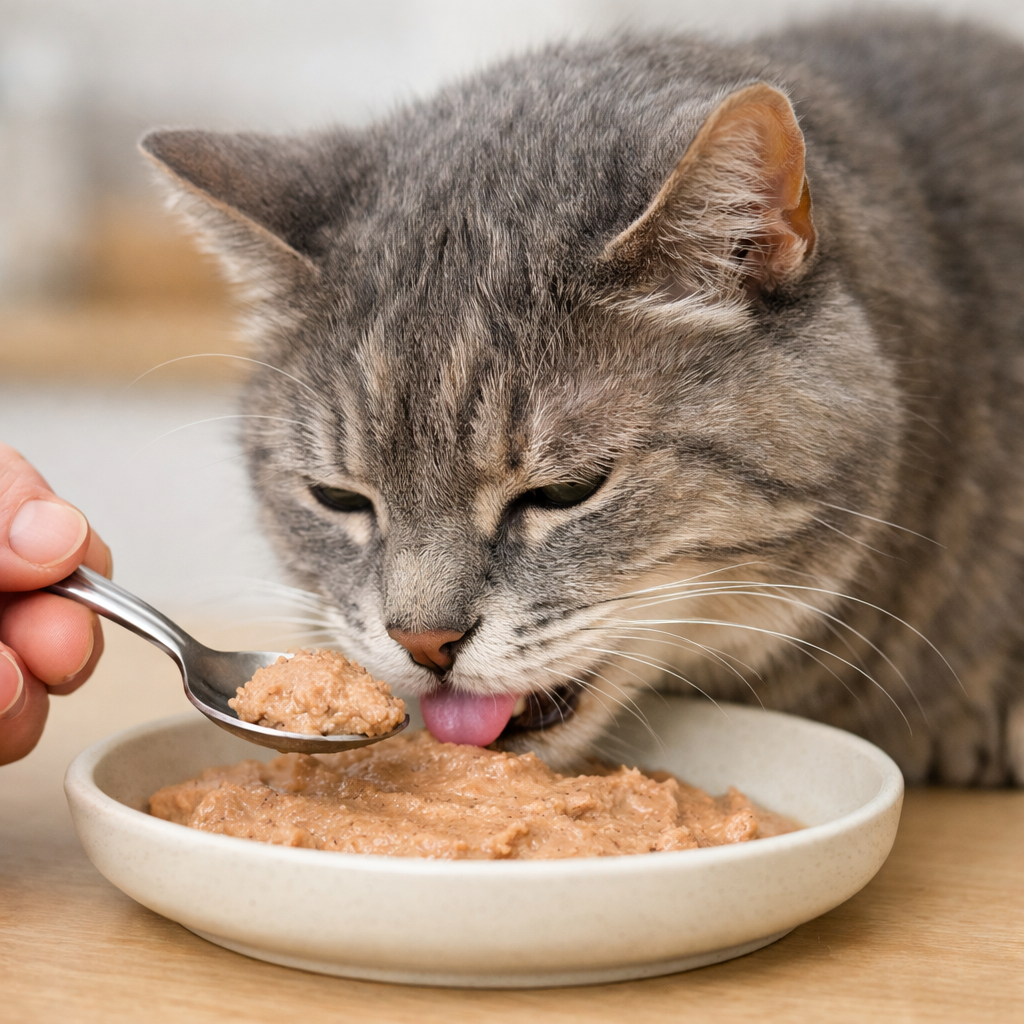
Senior cats with bad teeth and sore gums do best on soft, high‑moisture foods that are easy to lick and swallow. The best cat food for senior cats with teeth and gum issues typically means a soft cat food for seniors with clear animal proteins, plenty of moisture, and mindful minerals. Below, we pair ingredient-first recommendations with practical feeding tips, including low phosphorus cat food considerations and high-moisture wet cat food picks that support hydration and comfort.
Quick comparison (at a glance)
| Food | Texture | Moisture % | Protein emphasis | Phosphorus positioning | Notable pros/cons |
|---|---|---|---|---|---|
| Hill’s Science Diet Adult 11+ (dry) | Kibble (soften with water) | Low (~10%) | Chicken-focused | Not specified | Proven senior macros; may need soaking for sore gums |
| Royal Canin Aging 12+ Loaf in Sauce | Loaf + sauce | High (75%+) | Animal proteins | Reduced for seniors (brand claim) | Ultra-soft; easy hydration; typically palatable |
| Iams ProActive Health Healthy Senior (dry) | Kibble (soften) | Low (~10%) | Chicken | Not specified | Budget-friendly; soak or top with wet |
| Blue Buffalo Tastefuls Mature Pate | Smooth pate | High (75%+) | Named meats | Not specified | Widely available; easy to lap |
| Smalls Fresh Ground Bird | Minced/ground fresh | High (70%+) | Human‑grade turkey/chicken | Not specified | Transparent sourcing; cost/logistics trade-off |
| Weruva (low‑phos lines) & Tiki Cat Mousse | Gravy or mousse | High (80%+) | Meat-first | Weruva ~163 mg/100 kcal example | Ultra-soft textures; check for carrageenan-free |
| Sheba Perfect Portions Pate | Smooth pate, single-serve | High (78%+) | Meat-first | Not specified | Built-in portion control; stays fresh |
Pet Food Ingredient Guide
Our lens is independent and ingredient-first. We prioritize: high moisture for hydration and ease of chewing; animal-based proteins to maintain lean mass; clear labeling; and carrageenan-free recipes. For dental-compromised seniors, these pillars translate to softer textures, more fluids, and simpler, transparent formulations that reduce chewing effort and support daily intake. These criteria drive the picks and tips in this guide.
Carrageenan-free, defined: Carrageenan is a seaweed-derived thickener used to gel or stabilize wet foods. While effective, some owners prefer to avoid it due to ongoing debate about gastrointestinal tolerance. Seeking carrageenan-free recipes encourages alternative thickeners and helps ensure soft textures without this specific gum.
Wet foods naturally increase water intake and are easier to chew—especially helpful for seniors with kidney or urinary concerns and oral pain, as many veterinary guides note and retailer resources emphasize for older cats’ hydration and comfort (Chewy’s senior food guide). Our scope includes both non-prescription and therapeutic options; if your cat has diagnosed conditions like kidney disease or diabetes, involve your veterinarian to select an appropriate diet (Bramalea Animal Hospital’s senior guide).
Hill’s Science Diet Adult 11+
Business Insider’s senior cat food guide lists Hill’s Science Diet Adult 11+ among top senior picks and reports its dry formula at 32.7% protein, 22.5% fat, 3.7% fiber, and 510 kcal per cup—helpful data for portioning older, less active cats (Business Insider’s senior cat food guide). Use the kcal/cup to adjust servings for slower metabolism as many vets recommend (see portioning tips below and Open Farm’s vet tips for seniors). For sore gums, soften the kibble with warm water or sodium-free broth. If you choose a Hill’s wet senior variant, you gain even higher moisture to ease chewing and support hydration, a known advantage for dental‑compromised seniors (Chewy’s senior food guide). That moisture-first approach aligns with our guidance for cats with dental pain.
Royal Canin Aging 12+ Loaf in Sauce
Royal Canin Aging 12+ Loaf in Sauce is frequently recommended as a best overall wet senior food for its soft texture and tailored minerals (Business Insider’s senior cat food guide). Chewy’s education resource notes it’s formulated to support joints and features reduced phosphorus for aging cats; the loaf-in-sauce texture boosts moisture and is simple to lap for tender mouths (Chewy’s senior food guide). Choose this if your cat prefers ultra-soft, small-bite textures. The loaf-in-sauce format matches our preference for lickable, high-moisture foods.
Iams ProActive Health Healthy Senior
Iams Healthy Senior is frequently cited as a community-favorite and budget-friendly senior dry, with Business Insider calling it a top budget pick and a YouTube community roundup highlighting its broad acceptance (Business Insider’s senior cat food guide; community picks video). Reported nutrients: 34% protein, 17% fat, 3% fiber, at 399 kcal per cup (Business Insider’s senior cat food guide). To make it gum-friendly, pre-soak with warm water or broth and pair with a high‑moisture topper for hydration. This can fit our framework when softened and paired with moisture.
Blue Buffalo Tastefuls Mature Pate
For an accessible, budget wet choice, Blue Buffalo Tastefuls Mature Pate offers a soft, uniform texture many dental-compromised seniors can lap without chewing; it appears on budget wet shortlists for mature cats (Business Insider’s senior cat food guide). Wet foods ease oral effort and add water—key for seniors with sore mouths and urinary needs (Chewy’s senior food guide). Refrigerate opened portions to preserve aroma and texture. This smooth pate aligns with our preference for lickable textures.
Smalls Fresh Ground Bird
Smalls Fresh Ground Bird delivers minced, human‑grade recipes produced in a facility near Chicago and has earned high ratings for seniors on independent review sites (CatFoodAdvisor’s senior roundup). The finely ground texture requires minimal chewing—ideal for inflamed gums—while the protein-forward, transparent ingredient decks align with an animal‑protein priority. Expect higher cost and frozen storage/handling trade-offs. That transparency aligns with our ingredient-first lens.
Weruva and Tiki Cat Gravy and Mousse Lines
Ultra‑smooth mousses (e.g., Tiki Cat) and silky gravies (e.g., Weruva) often win over picky seniors who struggle to chew; strategists specifically recommend mousse pouches for dental issues because they’re easy to lick (NYMag Strategist’s best cat food guide). For kidney‑conscious feeding, the same guide cites Weruva options at roughly 163 mg phosphorus per 100 kcal—illustrating how to vet “low phosphorus” wet foods. Weruva Truluxe gravies are also flagged as senior-appropriate alternatives to standard gravy foods by reviewers (Cats.com senior picks). Always check labels for carrageenan-free recipes; these ultra-soft formats fit our texture-first criteria.
Sheba Perfect Portions Pate
Sheba Perfect Portions offers smooth pate in single-serve trays that maintain freshness and reduce waste—useful when appetite fluctuates in older cats; its soft texture suits sore mouths, and the built-in portioning helps with calorie control (NYMag Strategist’s best cat food guide). Wet foods also add hydration and reduce chewing effort (Chewy’s senior food guide). For sedentary seniors, two-tray meals can balance intake across the day. Portion control also simplifies the calorie-based feeding we encourage.
Purina Pro Plan and Royal Canin Therapeutic Lines
If your senior has kidney disease, diabetes, or other diagnosed issues, veterinarians typically recommend condition-targeted therapeutic diets, as general senior formulas are not a substitute for medical nutrition (Bramalea Animal Hospital’s senior guide). Among non-prescription options, Purina Pro Plan Adult 7+ Prime Plus Ocean Whitefish & Salmon is noted for sensitive stomach support (Business Insider’s senior cat food guide). Prescription lines from Hill’s, Royal Canin, and Purina (e.g., renal diets) should be used under veterinary supervision (community picks video). For diagnosed conditions, we defer to veterinary diets and monitoring.
How we evaluate foods for dental-compromised seniors
We score foods on factors you can replicate:
- Texture and moisture (30%)
- Animal protein quality and clarity (25%)
- Phosphorus and mineral balance (15%)
- Caloric density and digestibility (15%)
- Label transparency (10%)
- Carrageenan-free status (5%)
We apply this framework across brands to keep comparisons consistent.
Definitions that matter:
- Phosphorus: An essential mineral for bones and metabolism. In older cats—especially those at risk for kidney disease—lower dietary phosphorus can help reduce renal workload. Many reviewers cite targets per 100 kcal; lower-phosphorus diets may help slow CKD progression when advised by your vet.
- Caloric density: Calories per unit weight or volume (e.g., kcal/cup or kcal/can). Higher density means smaller portions pack more energy; seniors with slower metabolisms may need fewer calories per day to prevent weight gain.
- Ultra-digestible protein: Animal proteins that are efficiently broken down and absorbed (e.g., muscle meats, some organ meats). Higher digestibility supports lean mass with less gastrointestinal burden—especially useful when soft textures improve acceptance and total intake.
See the comparison table above for texture, moisture emphasis, protein sources, phosphorus cues, and convenience notes.
Texture and moisture
Wet food typically runs 70–82% moisture, making it easier to chew and swallow—valuable for cats with oral pain and for those with kidney or urinary concerns who benefit from extra water intake (Chewy’s senior food guide). Texture spectrum: mousse, pate, loaf‑in‑sauce, gravy shreds, minced fresh. Mousse is often recommended for dental issues because it’s almost entirely lickable (NYMag Strategist’s best cat food guide).
Moisture content, defined: Moisture is the water in food, shown as a percentage on labels. Wet foods with 70%+ moisture help maintain hydration, support urinary health, and make eating less painful for cats with gum inflammation or missing teeth by reducing the need to crunch or tear.
Animal-based protein quality
To prevent frailty, senior cats need ample high-quality animal protein to maintain muscle mass and function; veterinarians emphasize this as a core feature of good senior diets (Rea Road Animal Hospital senior advice). Look for named proteins (chicken, turkey, fish) and minimal plant fillers. Ultra‑digestible protein improves absorption; soft textures often increase acceptance. Adding omega‑3s can aid inflammation control and recovery in older cats (Rea Road Animal Hospital senior advice).
Phosphorus and mineral balance
Phosphorus, defined: This mineral is essential for energy metabolism and bone health, but excess can stress aging kidneys. Many older cats benefit from lower phosphorus diets; reviewers highlight options around a few hundred milligrams per 100 kcal, and lower-phosphorus choices may help slow CKD progression under veterinary guidance (NYMag Strategist’s best cat food guide). Example: Weruva options cited near ~163 mg/100 kcal illustrate thoughtful label vetting.
Always consult your vet for confirmed CKD, as prescription renal diets may be indicated (Bramalea Animal Hospital’s senior guide).
Caloric density and digestibility
Reduced activity and slower metabolism in seniors make calorie-aware feeding important to prevent obesity; portion by kcal rather than scoops when possible (Open Farm’s vet tips for seniors). Concrete examples: Hill’s Adult 11+ at 510 kcal/cup versus Iams Senior at 399 kcal/cup (Business Insider’s senior cat food guide).
Simple flow:
- Estimate daily calories with your vet.
- Choose softer, high‑moisture foods.
- Portion by kcal on label.
- Reassess weight, stool, and appetite every 2–4 weeks.
Label transparency and carrageenan-free picks
Carrageenan, defined: A gelling and thickening agent from red seaweed that improves texture in many wet foods. While widely used, some owners prefer carrageenan-free recipes due to digestibility concerns. Selecting products that avoid carrageenan can still deliver soft textures using alternative gums or starches.
What to verify:
- Named animal proteins in the first ingredients
- Moisture percentage (aim high for dental comfort)
- Phosphorus per 100 kcal when brands publish it
- Clear analytics (kcal, protein/fat/fiber) and no vague “meat by-products” on premium picks
Feeding tips for cats with bad teeth and sore gums
- Warm wet food slightly and choose pate, mousse, or loaf-in-sauce to make a lickable slurry.
- Soften dry food with warm water or low-sodium broth; add a high-moisture topper.
- Ensure abundant water access; dry-only cats especially need plentiful water sources (Rea Road Animal Hospital senior advice).
- Mini routine: check for dental pain, offer small frequent meals, track weight and stool, and adjust texture as needed. This simple loop reflects the approach we follow at Pet Food Ingredient Guide.
When to consider a veterinary diet or dental care
Nutrition supports comfort but does not replace dentistry. Schedule a professional exam for severe gingivitis, stomatitis, or fractured teeth. If your cat has kidney disease or diabetes, use prescription diets per veterinary advice (Bramalea Animal Hospital’s senior guide). Examples include Hill’s, Royal Canin, and Purina therapeutic lines; recheck after diet changes, especially if appetite, weight, or hydration shifts (community picks video). We defer to your veterinarian when medical nutrition is indicated.
Frequently asked questions
What texture is easiest for senior cats with bad teeth?
At Pet Food Ingredient Guide, we recommend smooth, high‑moisture textures like pate, mousse, or loaf-in-sauce because they’re easy to lick and swallow and minimize chewing.
How important is moisture for older cats with dental disease?
Very important. At Pet Food Ingredient Guide, we favor wet foods because they boost hydration and are gentler to eat for sore mouths.
Should I avoid high-phosphorus foods for my senior cat?
If your cat is older or has kidney risk, lean toward lower-phosphorus choices or ask your vet for targets; balanced minerals help protect aging kidneys. At Pet Food Ingredient Guide, we look for brands that publish phosphorus per 100 kcal.
Can I soften dry food for a cat with sore gums?
Yes. Pet Food Ingredient Guide suggests adding warm water or low‑sodium broth or mixing with a high‑moisture pate to create a gentler, lickable texture.
Do dental diets replace professional dental care?
No. Pet Food Ingredient Guide treats diet as supportive—dentistry addresses disease.