Expert Guide to Finding Budget-Friendly Premium Natural Cat Food
Expert Guide to Finding Budget-Friendly Premium Natural Cat Food
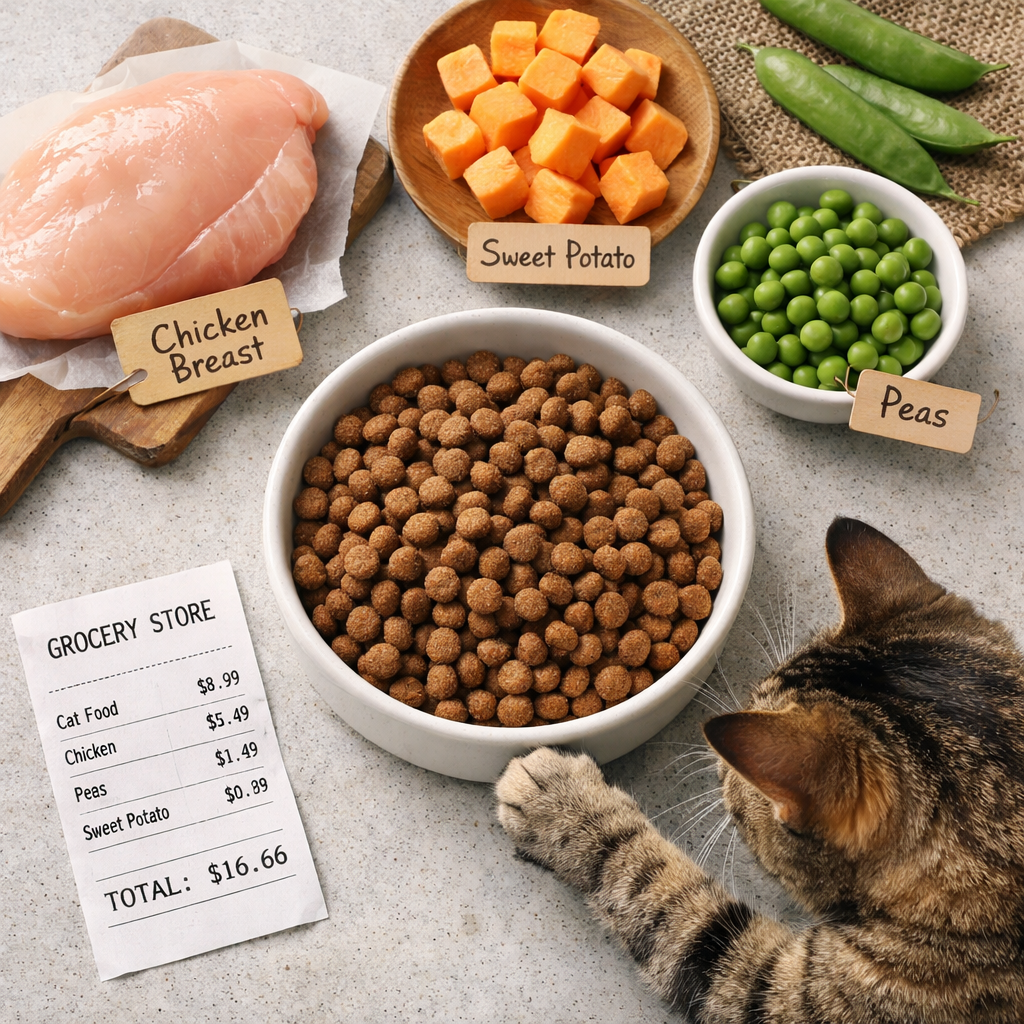
Finding affordable premium natural cat food is possible when you ignore buzzwords and focus on what cats actually need: moist, meat-first, complete-and-balanced formulas that fit your budget. This guide shows you how to read labels, compare value with simple math, and choose formats that protect hydration and urinary health without overspending. You’ll learn the fastest checks—adequacy statements, named animal proteins, and realistic macronutrient targets—plus practical ways to stretch your dollar, like mixing wet with dry and using simple toppers. Throughout, we follow evidence-based standards (AAFCO/FEDIAF and WSAVA-aligned guidance) and the realities of an obligate carnivore diet. Pet Food Ingredient Guide helps you apply these checks quickly with plain-language label walkthroughs and simple conversions.
Why nutrition and moisture come first
“Cats are obligate carnivores and must get most of their nutrients from meat.” As obligate carnivores, cats evolved to derive essential amino acids (like taurine), fatty acids, and vitamins primarily from animal tissues rather than plants, with limited ability to synthesize or convert some nutrients on their own (for example, beta-carotene to vitamin A). See Only Natural Pet’s guide to natural cat food for context.
Wet cat food is protein-rich and moisture-dense, ideal for hydration and kidney support. Canned foods typically contain about 70–80% moisture, helping maintain urinary tract health and lowering urine concentration; this moisture level is a key advantage over dry food’s low water content, as explained in the Cat Care Society’s guide to selecting cat food.
Natural cat food, in this guide’s sense, emphasizes named animal proteins, avoids artificial colors, flavors, and preservatives, and carries an AAFCO “complete and balanced” adequacy statement for a defined life stage. Premium is a marketing term, not a regulated quality guarantee, so rely on label facts rather than claims (Cat Care Society).
Step 1: Define your cat’s needs by life stage and health
Start with a quick checklist: your cat’s age (kitten, adult, senior), activity level, body condition, and any medical considerations such as urinary issues, kidney disease, diabetes, or suspected allergies. This framing ensures budget choices still align with biology and life stage, a cornerstone emphasized in the Cat Care Society overview.
Most adult cats only need about 200 calories a day; indoor, spayed/neutered cats gain weight easily, so avoid free-feeding and measure meals (Texas A&M VetMed’s overview on selecting cat food). Use your cat’s body condition and weight trend to fine-tune portions.
Life-stage appropriate means the food’s AAFCO adequacy statement confirms it meets nutrient profiles (or passed feeding trials) for growth (kittens), adult maintenance, or gestation/lactation. Foods that meet “all life stages” must also satisfy growth needs, which are higher than adult maintenance.
Step 2: Verify complete and balanced adequacy statements
Before comparing prices or protein, find the nutritional adequacy statement. It should say “complete and balanced” for a specific life stage according to AAFCO (U.S.) or FEDIAF (EU). Many reputable, budget-friendly brands also follow WSAVA-aligned guidance on nutrition expertise and quality control (see Business Insider’s affordable cat food review). The Pet Food Ingredient Guide shows exactly where this appears on labels and how to interpret it.
Complete and balanced means the diet either meets established nutrient profiles through formulation or has passed feeding trials for the stated life stage, covering essential micronutrients (vitamins, minerals), amino acids (like taurine), and fatty acids without needing extra supplements.
Tip: If a product lacks an adequacy statement, treat it as a supplement or topper—not a staple diet.
Step 3: Read the ingredient list for named animal proteins
Ingredient lists are ordered by pre-cooking weight; the heaviest ingredient appears first (Mamavation’s natural and organic cat food investigation). Favor recipes that list a named meat first—chicken, turkey, rabbit, salmon—supporting a species-appropriate, meat-forward diet (Only Natural Pet). Be cautious with vague terms like “meat meal” and “animal fat,” which can obscure source quality. Rendered ingredients have, in some cases, been associated with contaminants such as pentobarbital, underscoring the importance of specificity (Mamavation).
Named animal protein refers to clearly identified sources like “chicken,” “turkey,” or “salmon,” and specific rendered forms like “chicken meal.” These labels provide transparency on species, which better supports an obligate carnivore’s amino acid needs, digestibility expectations, and consistent sourcing. Pet Food Ingredient Guide’s ingredient lookups clarify named animal proteins and processing terms so you can favor specific sources with confidence.
Step 4: Check macronutrients and digestibility targets
For adult cats, aim for higher protein and moderate fat with lower carbohydrates. Kibble often carries more carbohydrate and fiber than canned foods, which can dilute protein on a dry-matter basis (Texas A&M VetMed). A practical target for many adult cats is around 30–45% protein (dry matter) and under ~10% carbohydrates when possible. Use Pet Food Ingredient Guide’s dry-matter conversion to compare wet and dry on equal footing.
Digestibility describes how much of a nutrient is absorbed rather than excreted. Higher digestibility means more usable protein and calories per bite—better value and fewer GI upsets. When brands disclose it, aim for overall digestibility above ~85%. Some affordable brands employ veterinary nutritionists and robust quality assurance, which can support consistent digestibility (Business Insider).
Example contrasts (estimates):
| Label protein% | Estimated dry-matter protein% | Carb estimate | Notes |
|---|---|---|---|
| Wet pâté: 10% (moisture ~78%) | ~45% | ~2–5% | Moisture-rich; high protein density per ounce |
| Dry kibble: 30% (moisture ~10%) | ~33% | ~25–35% | Budget-friendly; higher carbs than wet |
Step 5: Choose a format that fits hydration and budget
Match format to your cat’s hydration needs and your spending plan. Dry food is convenient and can control costs, but it’s very low moisture compared with wet food; cats evolved in arid environments and often don’t drink enough, so dietary water matters (Only Natural Pet). Many households balance value and hydration by mixing wet with dry.
Wet food for moisture and urinary support
Canned foods are roughly 70–80% moisture and support urinary and kidney health while delivering high-quality protein in a moisture-rich matrix (Cat Care Society). Wet cat food is protein-rich and moisture-dense, ideal for hydration and kidney support (Only Natural Pet). Budget tactics: buy by the case, opt for pâté styles (often lower cost per ounce), and compare protein-per-ounce across can sizes.
Urinary support refers to diet strategies that help maintain healthy urine concentration and mineral balance. Hydration from wet diets or added water lowers specific gravity and can reduce the likelihood of crystal formation, while appropriate dietary minerals (e.g., controlled magnesium) further support urinary tract health.
Kibble for convenience and cost control
Dry kibble generally contains about 6–10% moisture, far less than the ~75–80% in wet foods (Texas A&M VetMed). If you feed kibble, add water or broth at mealtime to boost hydration. For a natural kibble approach, look for real named meat first and, where possible, avoid heavy reliance on corn, wheat, and soy (Only Natural Pet). Because kibble tends to be higher in carbs and fiber, pair it with wet meals to balance macros and moisture.
Freeze-dried and air-dried as premium bridges
Freeze-dried and air-dried foods are lightweight, shelf-stable, and closer to raw-style nutrition in protein concentration and minimal processing (Only Natural Pet). However, many commercial raw and freeze-dried products are not complete and balanced and can carry foodborne risks; check labels carefully and consult your veterinarian (Cat Care Society).
Raw-adjacent describes minimally processed, dehydrated or freeze-dried formats that may be rehydrated before feeding. They often deliver higher protein with fewer additives but require meticulous label checks for completeness and careful handling to mitigate pathogen exposure.
Step 6: Calculate true value using unit cost and protein per ounce
Compare value by what you pay for usable nutrition—not just sticker price.
A quick method:
- Note price and net weight.
- Divide to get $/oz.
- Estimate protein grams per serving: multiply serving grams by the as-fed protein percentage.
- Compare across products and formats for the highest protein-per-oz you can afford.
Bulk buying can shrink unit costs—case lots for cans and larger bags for kibble—after you confirm palatability and stool quality. Pet Food Ingredient Guide’s comparison steps standardize cans, kibble, and dehydrated foods so you can compare like with like.
Illustrative comparison:
| Product | Price | Net weight | $/oz | Protein% (as-fed) | Est. protein g/serving | Notes |
|---|---|---|---|---|---|---|
| Wet pâté can (5.5 oz) | $1.20 | 5.5 oz | $0.22 | 10% | ~7.8 g (½ can ≈ 78 g) | Moisture-rich; split into two meals |
| Dry kibble bag (7 lb) | $18.00 | 112 oz | $0.16 | 30% | ~8.4 g (1 oz ≈ 28 g) | Add water/broth; pair with wet |
| Air-dried (2 lb) | $35.00 | 32 oz | $1.09 | 38% | ~5.3 g (0.5 oz ≈ 14 g) | High protein; higher $/oz |
Step 7: Stretch your budget without sacrificing quality
A practical compromise is mixing a modest amount of high-protein wet food with a lower-cost kibble to preserve moisture and protein while controlling spend. Adding water or broth to meals is an inexpensive hydration boost (Texas A&M VetMed). Toppers like single-ingredient treats or crumbleable freeze-dried foods make meals more enticing (Purrrfectly Holistic’s budget-friendly diet tips).
Rotate proteins based on sales to broaden nutrient exposure and reduce sensitization risk; monitor for reactions, since common allergens include beef, fish, and dairy (Cat Care Society). Some affordable, widely available brands employ full-time, board‑certified veterinary nutritionists, which supports quality and safety oversight (Business Insider).
Mix wet with dry strategically
- Start with 50:50 by calories, or try one wet meal and one dry meal daily.
- Keep daily intake near ~200 kcal for most adult indoor cats; adjust by body condition.
- Measure portions (avoid free-feeding), then reassess stool quality, weight, and appetite after two weeks and tweak ratios as needed.
Mini-flow: pick wet for hydration → select kibble with a named meat first → calculate $/oz → set portions → reassess in 2 weeks.
Use simple toppers and broths safely
- Choose single-ingredient meat toppers and rehydratable freeze-dried crumbles to boost aroma and palatability.
- Add water or low-sodium bone broth to dry meals to increase moisture without major cost.
- Skip artificial colors, flavors, and preservatives to stay aligned with a natural approach (Cat Care Society).
Rotate proteins and buy in bulk or on sale
- Rotate named proteins to leverage promotions and maintain variety; watch for any GI or skin reactions.
- After confirming your cat eats it well and stools look normal, buy cases of cans or larger kibble bags to cut $/oz.
- Favor companies with transparent nutrition expertise and quality control (e.g., staff veterinary nutritionists).
What to avoid and why
Marketing terms like “premium,” “gourmet,” “holistic,” and “human-grade” aren’t legally regulated on labels; evaluate adequacy, ingredients, and company transparency instead (Cat Care Society). Check recall histories and brand quality pages, and consult your veterinarian before feeding raw or raw-adjacent diets due to foodborne risks.
Unspecified rendered ingredients and vague fats
Terms like “meat meal” or “animal fat” can mask unspecified or variable sources. Rendered ingredients have, in some cases, been linked to contaminants like pentobarbital; there have also been legal actions related to low-quality poultry meals, highlighting why specificity matters (Mamavation). Prefer clearly named meals (e.g., “chicken meal”) and specified fats (e.g., “chicken fat”).
Unregulated marketing terms
“Premium,” “gourmet,” “holistic,” and “human-grade” sound impressive but aren’t regulated definitions (Cat Care Society). Focus on the adequacy statement, named proteins first, absence of artificial additives, and demonstrated company nutrition expertise.
Label claim vs. regulatory standard: A label claim is marketing language a brand applies to position a product, while a regulatory standard (like an AAFCO adequacy statement) confirms the food meets defined nutrient requirements for a life stage or has passed feeding trials.
Raw and raw-adjacent safety considerations
Most commercial raw and some freeze-dried products are not complete and balanced and carry pathogen risks (e.g., Salmonella, E. coli); zoonotic concerns, including recent avian influenza issues, warrant caution and veterinary guidance (Cat Care Society). If interested, use lightly rehydrated freeze-dried as a topper on a complete wet or kibble base, and verify adequacy before relying on it as a staple.
Pathogen risk in pet foods refers to the chance that harmful microbes remain viable in minimally processed products, leading to contamination of bowls, surfaces, pets, and people. Common culprits include Salmonella and E. coli; careful handling and choosing fully cooked, complete diets reduce this risk.
Practical monitoring and safety checks
- Track weight, body condition score, stool consistency, coat shine, litter clump size/urination, and appetite; adjust portions accordingly.
- Measure meals and avoid free-feeding—indoor cats gain quickly when overfed (Texas A&M VetMed).
- Weekly checklist: quick BCS glance, note drinking/clumping patterns, count treats, and log any GI signs or hairball changes. Texture tweaks (pâté vs. chunks) can help picky eaters (Cat Care Society).
How to use Pet Food Ingredient Guide to compare labels
Use the Pet Food Ingredient Guide to look up unfamiliar ingredients, confirm whether a protein is named/specific, and understand processing terms like rendered, meal, and natural preservatives. Our label walkthroughs help you spot the AAFCO adequacy statement, convert guaranteed analysis to a dry-matter basis, and match calories to cans/bags for real feeding costs. For context on grain-free versus grain-inclusive, remember that true grain intolerance in cats is uncommon; grain-free formulas often swap in legumes or potatoes without lowering carbohydrates. If you suspect a sensitivity, consult your veterinarian. We stay aligned with AAFCO/FEDIAF and WSAVA-informed guidance to keep comparisons consistent and clear.
Frequently asked questions
What does complete and balanced mean on a cat food label?
It means the food meets established nutrient profiles or passed feeding trials for a specific life stage, supplying all essential vitamins, minerals, amino acids, and fatty acids without extra supplements. You can use the Pet Food Ingredient Guide to locate and interpret this statement.
How much protein and how few carbs should budget-friendly premium foods have?
Many adult cats do well with about 30–45% protein on a dry-matter basis and under 10% carbohydrates when possible, paired with adequate moisture from wet food or added water/broth. Pet Food Ingredient Guide’s dry-matter steps make these comparisons straightforward.
Is grain-free automatically better for cats?
Not automatically. Grain-free often swaps grains for legumes or potatoes and may not reduce carbs; the Pet Food Ingredient Guide suggests prioritizing named animal proteins, moisture, and adequacy first.
How do I transition to a new food without stomach upset?
Shift gradually over 7–10 days, increasing the new food while reducing the old, and watch stool quality and appetite. Slow down or pause the switch if you see vomiting, diarrhea, or refusal.
What is the cheapest way to add more moisture to my cat’s diet?
Add water or a low-sodium bone broth to meals, or include a daily portion of wet food. The Pet Food Ingredient Guide outlines simple, low-cost hydration tweaks you can use right away.