Grain-Free Cat Food Benefits: What Science Says and What Doesn't
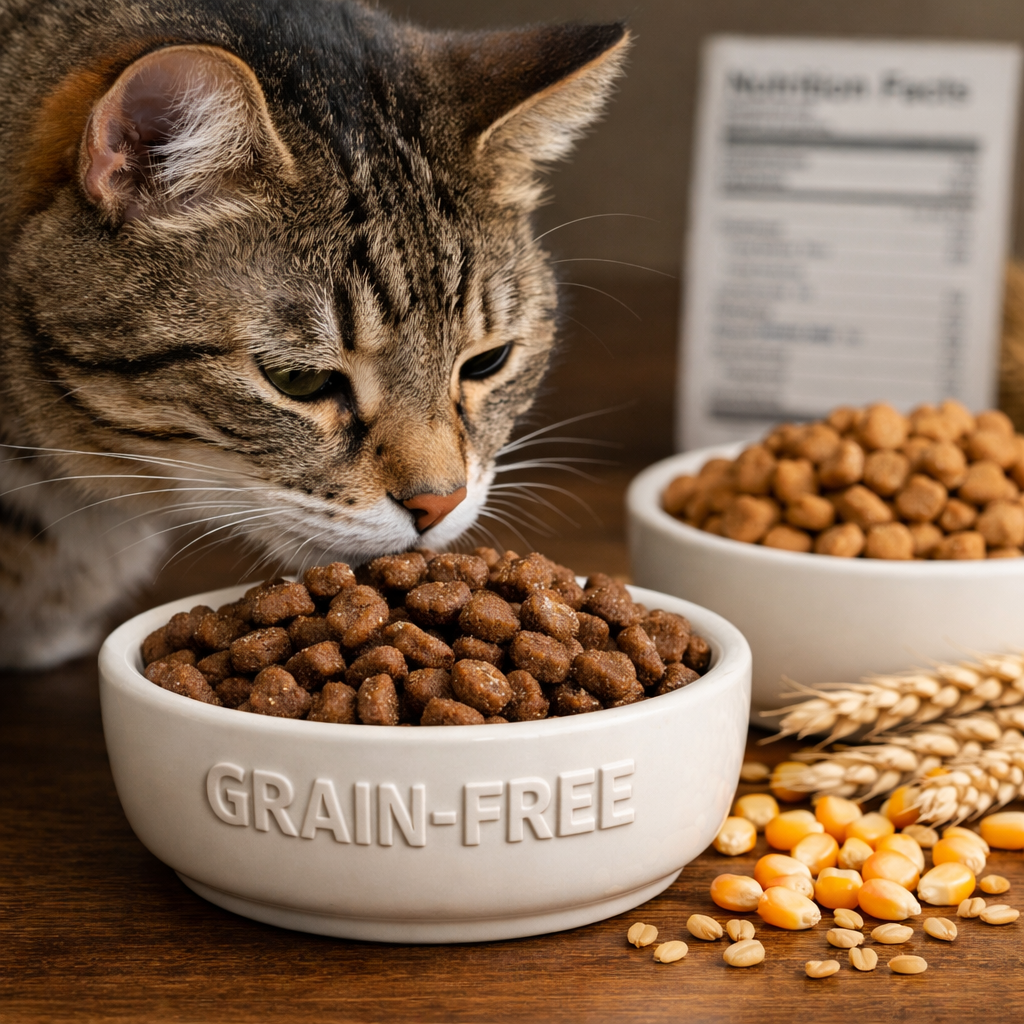
Grain-Free Cat Food Benefits: What Science Says and What Doesn’t
Grain-free cat food promises cleaner labels and “species-appropriate” nutrition, but the true benefits depend on your cat and the specific recipe. In healthy cats, there’s no universal advantage to removing grains; potential upsides appear only in certain contexts, like confirmed allergies, higher animal-protein formulas, or carefully chosen low-glycemic carb sources. Just as important: grain-free does not mean low carb, better quality, or safer by default. This guide explains what grain-free actually means, where it can help, where it doesn’t, and how to evaluate labels and run a safe, time‑bound trial if you and your veterinarian decide to test it. If you’re weighing a switch, Pet Food Ingredient Guide’s label‑first framework and vet‑guided trial steps below help you judge formulas by nutrients and outcomes, not marketing.
What grain-free cat food means
Grain-free cat food excludes traditional cereal grains but does not guarantee low carbohydrate, higher quality, or superior nutrition. In practice, grain-free pet foods exclude cereal grains like wheat, barley, rice, and maize, often swapping in other starches or legumes to make kibble form and bind ingredients, as shown in a controlled trial in cats from an academic research group (see grain-free definition in this controlled trial).
“Grain-free” is largely a marketing term; there is no evidence these diets are universally superior to balanced grain-inclusive foods, according to a Tufts Petfoodology research update (Tufts Petfoodology review of grain-free claims).
How often grain allergies occur in cats
True grain or gluten allergies in cats are rare to essentially nonexistent. Veterinary summaries note that most documented food allergies in pets involve animal proteins rather than grains, and that gluten intolerance is extremely rare in dogs and not established in cats (veterinary fact sheet on grain-free myths). That means switching to grain-free alone rarely removes the real trigger; veterinarians typically prioritize novel or hydrolyzed animal proteins in elimination diets, a point also emphasized by Tufts Petfoodology.
Potential benefits supported by evidence
Grain-free can offer targeted benefits in specific scenarios. Outcomes depend on the cat, the formulation, and whether the change truly removes a culprit allergen or improves the overall nutrient profile.
- Quick summary
| Potential benefit | When it applies | Evidence strength |
|---|---|---|
| Allergen elimination | Confirmed grain/gluten sensitivity or part of a structured elimination/challenge | Moderate for diagnosed cases |
| Higher animal protein | Some grain-free kibbles skew higher in protein, aligning with feline needs | Variable; recipe‑dependent |
| Lower post‑meal glucose spikes | Legume-forward, lower‑GI carb sources replace high‑GI grains/tubers | Emerging; formulation‑specific |
| Palatability/coat changes | Individual reports of better acceptance, stool, or coat | Limited, owner‑reported |
Confirmed grain allergy or sensitivity cases
For cats with a documented grain or gluten sensitivity, eliminating the offending ingredient can reduce GI or skin signs. Grain-free formulas can be one tool within a veterinarian‑supervised elimination diet and challenge to confirm the trigger (vet-guided overview on grain-free use in cats). Cats with inflammatory bowel disease (IBD) sometimes benefit from strict allergen control, but diagnosis—not guesswork—should drive diet selection.
Higher animal protein formulations
Some grain-free dry foods carry more protein than comparable grain-inclusive kibbles, which can better match feline needs when the protein is primarily animal-derived (overview of grain-free cat food patterns). Cats are obligate carnivores: they require specific nutrients—like taurine, arachidonic acid, preformed vitamin A, and vitamin D—largely from animal sources, and they have limited capacity to synthesize or fully utilize plant-derived alternatives (primer on obligate carnivores). Caution: very high‑protein grain-free diets in research increased fecal ammonia and indole—markers of protein fermentation—underscoring the need for balance.
Post-meal glucose responses with low GI carbs
When grains are replaced with lower‑glycemic legumes (e.g., peas, lentils), controlled studies report delayed postprandial glucose and insulin responses; mean glycemic index around 41 has been observed on certain legume-based grain-free diets in cats. Glycemic index is a measure of how quickly a carbohydrate-containing food raises blood glucose compared with a reference; lower-GI ingredients tend to produce smaller, slower glucose rises, which may support steadier energy or weight goals. Effects depend on the total carb load and the specific carb sources used.
Palatability and coat changes with limited data
Some owners report better palatability, digestion, or coat sheen after switching to a grain-free recipe. Controlled data are limited, and many improvements likely reflect higher animal-protein content or overall formulation differences rather than the grain-free label itself. Track changes in stool quality, coat condition, and appetite for 4–6 weeks rather than relying on first impressions.
What the science does not support
- Claim: Grain-free is low carb. What studies show: Many grain-free foods swap grains for potatoes, peas, lentils, or tapioca and remain high in carbohydrates; all kibbles contain starch to extrude and shape.
- Claim: Grain-free is automatically healthier. What studies show: It’s a marketing category; no data show universal superiority over balanced grain-inclusive diets. Whole grains can contribute vitamins, minerals, essential fatty acids, and usable protein.
- Claim: Healthy cats need grain-free. What studies show: Most healthy cats do well on complete and balanced grain-inclusive diets; ingredient lists do not replace nutrient adequacy.
Grain-free is not inherently low carb
Removing grains does not ensure fewer carbohydrates. Many grain-free kibbles use peas, pea starch, potatoes, sweet potatoes, or tapioca instead of rice or corn, keeping carbohydrate levels similar. Grain-free is not carb-free or automatically calorie-reduced.
Grain-free is not automatically healthier
“Grain-free” is a label, not a quality guarantee. Evaluate the total nutrient profile and feeding trials over single-ingredient claims. Appropriately used whole grains can provide fiber, B vitamins, minerals, essential fatty acids, and some high‑quality plant protein within balanced feline diets.
Claims versus outcomes in healthy cats
For most healthy cats, grain-free is not required. Nutrient balance and digestibility matter more than grain presence. As a cautionary example of marketing drift, ingredients like cranberries often appear for urinary “support,” but strong, species‑specific evidence in cats is lacking.
Key risks and uncertainties to consider
- Carb swap illusion: Replacing grains with legumes or tubers can leave total carbs and glycemic load unchanged.
- Nutrient imbalances: Poorly formulated recipes—grain-free or not—risk inadequate taurine or other essentials; verify AAFCO/FEDIAF compliance and manufacturer transparency.
- Microbiome shifts: Research shows legume-forward or high‑protein grain-free diets alter gut bacteria and metabolites; long‑term health impacts remain unclear.
- Cost and hype: Grain-free foods commonly cost more; the trend grew via marketing, not necessity, and grains aren’t inherently harmful.
- Misperceptions about gluten: Gluten intolerance is exceedingly rare in dogs and not established in cats.
Carbohydrate swap with legumes and tubers
Common replacements include peas, pea starch, lentils, potatoes, sweet potatoes, and tapioca. These can keep carb levels high, undermining goals for weight or glycemic control. Scan ingredient order and estimate carbs from the guaranteed analysis (method below).
Nutrient balance and taurine adequacy
Formulation quality matters more than the grain label. Cats require taurine, arachidonic acid, and preformed vitamin A from animal sources; choose diets that meet AAFCO or FEDIAF profiles and consider periodic taurine or cardiac checks in at‑risk cats, per your veterinarian.
Microbiome shifts and unknown long-term effects
In controlled feeding, low animal‑protein grain-free diets increased certain bacterial families (e.g., Lactobacillaceae, Veillonellaceae, Bifidobacterium) and changed bile acid and short‑chain fatty acid metabolites; high‑protein grain-free raised fecal ammonia/indole. The long‑term significance for feline health is not yet known.
Cost, marketing hype, and misperceptions
Grain-free options often carry higher prices due to ingredient choices and positioning. Industry analyses describe grain-free as a trend shaped by marketing and consumer perception rather than clear health benefits for most pets (industry perspective on moving beyond the grain-free trend).
How to evaluate a grain-free label using our label-first method
Use this quick, repeatable framework: This is Pet Food Ingredient Guide’s label‑first approach to keep the focus on nutrients, sourcing, and process rather than claims.
- Verify AAFCO/FEDIAF adequacy for your cat’s life stage. 2) Check named animal proteins in top ingredients and gauge the animal-to-plant protein signal. 3) Estimate carbohydrate percentage from the guaranteed analysis. 4) Scan for ambiguous meats, fillers, and additive load. 5) Assess processing and fiber sources.
For side‑by‑side comparison, draft a simple scorecard:
| Candidate | Animal‑protein signal (top 3–5 ingredients) | Est. carbs (as‑fed) | Processing | Primary fiber sources | Red flags |
|---|---|---|---|---|---|
| Food A | Deboned chicken, chicken meal, turkey meal | ~28% | Extruded kibble | Beet pulp, inulin | Pea starch #4 |
| Food B | Salmon, salmon meal, menhaden fish meal | ~18% | Air‑dried | Psyllium, cellulose | None obvious |
| Food C | “Meat meal,” pea protein, tapioca | ~35% | Extruded kibble | Pea fiber | Ambiguous meat, high pea protein |
Verify AAFCO or FEDIAF nutritional adequacy
Locate the nutritional adequacy statement. Choose diets labeled complete and balanced for your cat’s life stage (growth, adult maintenance, or all life stages) per AAFCO or FEDIAF. Prefer brands that disclose formulation responsibility, QA practices, and whether recipes passed feeding trials or are formulated to standards.
Check protein sources and animal-to-plant ratio
Aim for named animal proteins in the first 3–5 ingredients; be cautious when plant proteins (pea protein, potato protein) crowd the top of the list. To approximate animal-versus-plant contributions, consider ingredient order alongside ash and fiber levels, and ask brands for as‑fed amino acid profiles. Remember, cats are obligate carnivores requiring animal‑derived nutrients.
Estimate carbohydrate load from guaranteed analysis
Quick method (as‑fed): 100 − (protein% + fat% + fiber% + moisture% + ash%) = estimated carb%. If ash is missing, assume 7–8% for dry food. Use this to verify claims: grain-free does not equal low carb. Compare estimates across candidates to avoid carb‑swap pitfalls.
Scan for ambiguous meats, fillers, and additives
Avoid vague proteins like “meat meal” or “animal digest” when possible. Watch for filler‑leaning starches (tapioca, potato, pea starch) high in the list. Prefer natural preservatives (mixed tocopherols) and clearly named probiotics and fibers; limit artificial colors and BHA/BHT/ethoxyquin.
Assess processing level and fiber sources
Processing affects texture, palatability, and carb needs (extrusion requires starch; air‑dried/freeze‑dried may use less). Fiber matters: whole grains can add nutrients and fermentable fibers, while some grain-free starches add calories with less fiber. Look for diverse, functional fibers (beet pulp, psyllium, inulin) and avoid excessive pea fiber spikes.
When a grain-free trial may be appropriate
Frame the trial as a short, hypothesis‑driven test with veterinary guidance: define the clinical question, pick a balanced product that minimizes confounders, and monitor with clear stop/continue criteria.
Clinical indicators and veterinary guidance
Consider a grain-free trial for: diagnosed grain sensitivity, suspected IBD where a grain component is implicated, or explicit veterinary recommendation. Because protein allergies are far more common than grain reactions, vets often prioritize novel or hydrolyzed proteins. Discuss taurine status and cardiac monitoring if your cat has heart risk factors.
Selecting a balanced formula for trials
Choose a diet that is complete and balanced (AAFCO/FEDIAF), lists named animal proteins first, moderates fiber, and uses transparently labeled carb sources. For weight or glycemic goals, consider lower‑GI legumes in moderation; if cardiac concerns exist, avoid legume‑heavy formulas and review emerging dog‑focused DCM discussions with your vet to contextualize risk.
Monitoring stool, appetite, and body condition
Track daily: stool score (1–7), appetite, vomiting, itch/skin signs, and energy. Weekly: weight and Body Condition Score (1–9). Run the trial 3–6 weeks; stop early for adverse reactions. Photos of stools and body shape help maintain consistent scoring.
Feeding and transition protocol
A deliberate transition protects the microbiome and yields cleaner data on tolerance and response.
Stepwise transition to reduce GI upset
- Standard schedule (extend if sensitive):
- Days 1–2: 10% new / 90% old
- Days 3–4: 25% new / 75% old
- Days 5–6: 50% new / 50% old
- Days 7–8: 75% new / 25% old
- Days 9–10: 100% new
- If soft stool occurs, hold the ratio for 48 hours or step back one level before progressing.
Portion planning with calorie-to-gram conversion
Feed by calories, not scoops. Formula: Daily kcal need ÷ food kcal per gram = grams per day; split across meals and weigh for accuracy.
- Example: A 4–5 kg indoor cat may need ~220 kcal/day. If the food provides 3.8 kcal/g, feed about 58 g/day. Adjust based on body condition trends and your carb estimate.
Tracking response and deciding next steps
At week 4:
- Continue if stools are formed (score 2–3/7), appetite and energy are steady, and weight/skin are stable or improving.
- Modify if results are mixed; consider protein source, fiber, or carb adjustments.
- Revert/seek veterinary care if signs worsen or weight changes exceed 5%. Keep a simple log: date, amount fed, stool score, appetite, vomiting/itch, notes.
Grain-free versus grain-inclusive for most cats
Bottom line: most healthy cats can thrive on well‑formulated grain-inclusive diets, which are often more economical and easier to source. Grain-free may help specific, diagnosed cases or serve certain goals when the overall recipe is right. Use Pet Food Ingredient Guide’s scorecard approach above to compare protein sources, carb load, and processing side by side.
- Grain-free pros: may remove a confirmed grain allergen; some formulas offer higher animal protein; possible lower-GI carb options.
- Grain-free cons: not inherently low carb; often pricier; variable quality; unknown long‑term microbiome effects.
- Grain-inclusive pros: balanced options are widely available and cost-effective; whole grains can contribute nutrients and functional fiber.
- Grain-inclusive cons: higher‑GI grains in some formulas; may not suit a grain‑sensitive individual.
Situations where grain-inclusive is sufficient
If your cat is healthy with no specific sensitivities, a complete and balanced grain-inclusive diet is typically sufficient. Whole grains can add fiber, vitamins, minerals, essential fatty acids, and some protein, and there’s no broad evidence that grain-free diets outperform them in healthy cats.
Budget, availability, and practicality considerations
Grain-free diets often cost more and may be less consistently available. The category’s rise owes much to marketing and retail trends, which can influence shelf space more than clinical need. Choose a formula that fits your cat’s health, your budget, and reliable access.
Frequently asked questions
Do cats need grain-free food to be healthy
Most cats do not need grain-free food. Use Pet Food Ingredient Guide’s label‑first method to select a complete and balanced diet that fits your cat.
Is grain-free the same as gluten-free
No. Pet Food Ingredient Guide distinguishes them this way: grain-free excludes all grains, while gluten-free removes gluten proteins from certain grains.
Can grain-free diets cause heart disease in cats
Evidence in cats is limited. Discuss taurine status and cardiac monitoring with your veterinarian; Pet Food Ingredient Guide can help you evaluate formulas if you’re concerned.
How can I tell if my cat has a grain allergy
True grain allergies are rare. Work with your veterinarian on an elimination diet and use Pet Food Ingredient Guide’s label‑first steps to avoid common confounders.
Does grain-free mean fewer carbohydrates
Not necessarily. Estimate carbs with the quick formula in this guide to verify claims before switching.