Single-Protein Versus Novel-Protein: Which LID Cat Food Wins For Sensitive Cats
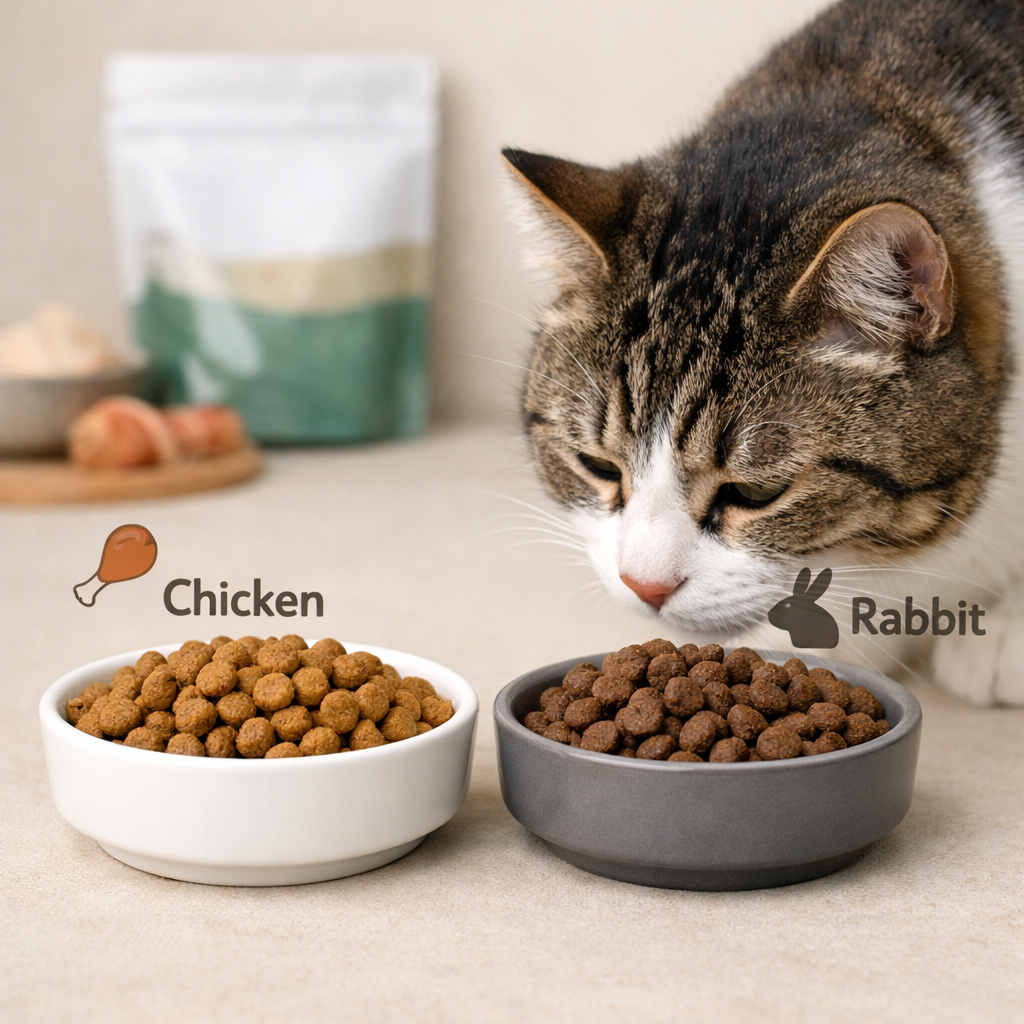
Single-Protein Versus Novel-Protein: Which LID Cat Food Wins For Sensitive Cats
When your cat shows itchy skin, ear debris, or GI upset, limited ingredient cat food is a smart first step—but which strategy works best: single-protein or novel-protein? The short answer: choose the option that most cleanly avoids past exposures while remaining complete and balanced. Novel-protein LIDs often win if your cat has eaten common meats and you can find a truly untried protein; single-protein LIDs win when label clarity, availability, and budget matter most. Either way, verify AAFCO adequacy for your cat’s life stage, taurine sufficiency, and run a strict, vet-guided elimination diet before making long-term changes. At Pet Food Ingredient Guide, we prioritize species‑level ingredient clarity and AAFCO/taurine verification during trials.
What limited ingredient cat food means
Limited ingredient cat food minimizes variables so you can pinpoint triggers. Two terms drive most decisions:
- “Limited-ingredient refers to a recipe with the minimum number of components, ideally just one.” This strips a diet to essentials so you can test a theory without noise, and it often pairs with a single‑protein cat food design anchored in one named animal protein source (plain‑English overview via Bonza).
- “A novel protein is a protein source your pet has never been fed before.” Novelty is personal—relative to what your cat has already eaten (as summarized in Bonza’s guide to novel protein vs LID).
Common novel protein diet choices for cats include venison, rabbit, duck, kangaroo, certain fish, and even insect proteins; omega‑rich fish can support coat and skin in some cats according to Pet Circle’s novel protein diets overview.
How food sensitivities are diagnosed
An elimination diet is a strictly controlled feeding of a single, well-defined diet to identify food allergies, excluding all other foods, treats, and flavored medications for 8–12 weeks while monitoring symptoms. As the Animal Behavior College notes, “A food trial typically lasts about 3 months,” and absolute consistency matters—no extras sneaking in. Work with your veterinarian on diet selection, and be prepared to repeat trials to find a suitable protein or carbohydrate if signs persist.
Comparison criteria for LID cat foods
Use this framework to compare sensitive cat food options and avoid marketing traps.
| Criterion | What to look for | Why it matters |
|---|---|---|
| Ingredient simplicity | One clearly named animal protein; minimal, necessary extras | Fewer inputs reduce guesswork and diagnostic noise |
| Diagnostic value | Single protein and simple carb; no secondary animal-derived ingredients | Clean trials identify triggers faster |
| Re‑sensitisation risk | Proteins your cat hasn’t eaten; plan rotation if needed | Novelty can erode as proteins become common |
| Nutrient completeness/taurine | AAFCO complete & balanced for your cat’s life stage; taurine listed | Cats require taurine; completeness prevents deficiencies |
| Digestibility | Small, well-formed stools; good appetite and coat | Practical proxy for how your cat handles the recipe |
| Availability/cost/sourcing | Realistic access; transparent species naming and origins | Keeps you compliant during multi‑week trials |
Tip: Secondary animal proteins can hide lower on the label, so scan the entire ingredient panel, not just the front claim, as cautioned by Whole Dog Journal’s primer on hidden proteins; Pet Food Ingredient Guide echoes this label‑wide scan.
Single-protein LID overview
Single-protein LIDs feature one clearly identified animal protein source to simplify exposure. By cutting back on animal‑derived variability, these diets can improve digestion and lower the odds of triggering immune responses in sensitive cats; they’re also straightforward to interpret in a trial. The trade‑offs: less variety and, if the recipe isn’t properly formulated, potential micronutrient gaps—so always choose a complete & balanced formula with explicit taurine. You’ll find single-protein options in wet, dry, freeze‑dried, and raw formats; for cats, prioritize moisture and verified nutrient adequacy (see Beco Pets’ explanation of how single‑protein can aid digestion and where it can fall short).
Novel-protein LID overview
A novel protein is any protein your cat hasn’t eaten. Practical examples include venison, rabbit, duck, kangaroo, certain fish, and insect proteins. In elimination trials, a typical novel diet pairs that single protein with a single carbohydrate and is best chosen and monitored with your vet. Remember, novelty declines as ingredients go mainstream—lamb, once novel, is now common in many markets (a point emphasized by Dr. Judy Morgan, who also stresses that novelty is relative to prior exposure).
Side-by-side comparison
| Factor | Single‑Protein LID | Novel‑Protein LID |
|---|---|---|
| Ingredient simplicity and label clarity | Often clearest route: one named protein, easy to audit. Best for: shoppers prioritizing label simplicity. | Can be clear, but some “novel” recipes still add common animal ingredients. Best for: avoiding known exposures. |
| Diagnostic value in elimination trials | Strong if truly single source with no animal by‑products/flavors. | Strongest when using a protein your cat has never eaten. |
| Risk of re‑sensitisation and long‑term control | Moderate: if you pick a commonly fed protein, relapse risk may persist. | Lower at first, but novelty erodes as the protein becomes common or cross‑contaminated. |
| Nutrient completeness and taurine sufficiency | Verify AAFCO statement and taurine; single‑protein formats can be incomplete if poorly designed. | Same requirement: complete & balanced plus taurine; novelty doesn’t guarantee completeness. |
| Digestibility and stool quality | Often improves by reducing animal‑derived variability. | Often improves when the prior protein was the trigger. |
| Availability, cost, and sourcing transparency | Generally better availability and price; broad brand selection. | True novel sources (rabbit, venison, kangaroo, insect) can be pricier and harder to find. |
Ingredient simplicity and label clarity
Confirm a single, species‑named protein (e.g., “duck,” not “poultry”) and ensure no other animal-derived ingredients or flavors appear down the list. Some foods marketed as novel still include common allergens like chicken fat or beef broth. Secondary or tertiary animal proteins often hide lower on labels, so read the entire ingredient panel—front‑of‑bag claims aren’t enough, as Whole Dog Journal warns in its guidance on scanning for hidden proteins. This mirrors Pet Food Ingredient Guide’s label standard.
Diagnostic value in elimination trials
Both single‑ and novel‑protein LIDs can run clean elimination trials when used exclusively for 8–12 weeks—about 3 months—and when all other foods, treats, and flavored meds are excluded. Keep a daily log of itching, stool, vomiting/hairballs, and ear debris. You may need to repeat trials to land on a tolerable protein.
Risk of re-sensitisation and long-term control
Novelty can fade as proteins gain popularity, and vague terms for insects (like “grubs” or “larvae”) make it harder to manage exposures—seek species‑level naming. When both single‑ and novel‑protein strategies fall short, dermatology guidance points to hydrolysed diets as the next step and the only option broadly regarded as hypoallergenic for the general pet population.
Nutrient completeness and taurine sufficiency
Every candidate must carry an AAFCO complete & balanced statement for your cat’s life stage, plus declared taurine. Because single‑protein recipes can be sparse by design, double‑check vitamin/mineral fortification and taurine inclusion. For quick screening, confirm: life‑stage adequacy present, taurine listed, and a full premix of essential micronutrients. This is a core Pet Food Ingredient Guide checkpoint.
Digestibility and stool quality
Track stool frequency and firmness and note any hairball changes. Many sensitive cats show better stool quality and appetite when protein variability drops. Reassess after 2–3 weeks; if stools worsen or appetite dips, pause and consult your vet.
Simple stool score (1–5):
- 1: Very hard, dry pellets
- 2: Firm, segmented but passes easily
- 3: Formed, smooth, soft—ideal
- 4: Soft, loses shape
- 5: Watery/diarrhea
Availability, cost, and sourcing transparency
Expect venison, rabbit, kangaroo, and insect proteins to be less available and more expensive than chicken or turkey. On the upside, insect proteins can offer sustainability advantages, using less land and water per kilogram of protein, as highlighted by Jiminy’s discussion of insect protein’s environmental profile. Always verify clear species naming and origin claims.
When single-protein LID makes the most sense
Choose single‑protein first when the suspected trigger is unclear and you need bulletproof label clarity. It’s also a practical choice for cats with many prior protein exposures, for tighter budgets, or when true novel proteins are hard to source. Verify there are no secondary animal proteins or flavorings, and confirm the recipe is complete & balanced with taurine. This aligns with Pet Food Ingredient Guide’s clarity‑first approach.
When novel-protein LID makes the most sense
Pick a protein your cat has never eaten—venison, rabbit, duck, kangaroo, certain fish, or insects—because novelty is defined by your cat’s personal history. Fish‑based options with omega oils can be helpful for itchy or skin‑sensitive cats and for some lower‑fat needs, but confirm your cat hasn’t eaten those fish proteins before. Pet Food Ingredient Guide recommends cross‑checking novelty against your cat’s full diet history.
Hydrolysed diets as a fallback
A hydrolysed diet uses enzymes to break proteins into much smaller peptides that the immune system is less likely to recognize, making it a go‑to when single‑ or novel‑protein trials fail; these diets are typically dispensed through veterinarians. Dermatology resources emphasize that only hydrolysed diets can be broadly described as hypoallergenic for most pets (see The Skin Vet’s exclusion diet guidance).
Wet versus dry formats for sensitive cats
Pick one format for the elimination trial to control variables, and transition slowly to minimize GI upset. Wet foods support hydration and may aid urinary health; dry can be easier for measured feeding. Your top priority is still true single/novel-protein integrity and a complete & balanced formula with taurine.
How to read labels for true LID integrity
Use this six‑step checklist (the same framework we use at Pet Food Ingredient Guide):
- Confirm “complete & balanced” for your cat’s life stage.
- Verify a single, species‑named animal protein; ensure no other animal proteins appear low on the list.
- Avoid proteins your cat has previously eaten (e.g., chicken, beef, lamb) since novelty is individual.
- Watch for vague terms like “meat,” “animal digest,” or nonspecific insect words like “grubs/larvae”; seek species‑level clarity.
- Confirm taurine and key vitamins/minerals are included.
- During trials, avoid treats/supplements and flavored meds that can reintroduce prior proteins.
Tip: Print this checklist and bring it to the store to stay consistent.
Transition plan and elimination trial protocol
Two phases, one strict goal:
- Transition phase (7–10 days): Gradually increase the new diet while reducing the old to limit stomach upset. Use measured portions and monitor stool and appetite.
- Trial phase (8–12 weeks): Feed the chosen LID exclusively—no other foods, treats, chews, table scraps, or flavored meds. Track weekly and review with your vet.
Use the Pet Food Ingredient Guide weekly tracker below to stay objective.
Weekly tracker template:
| Week | Itching (0–5) | Stool score (1–5) | Vomiting/Hairballs | Ear debris (Y/N) | Appetite/Weight notes |
|---|---|---|---|---|---|
| 1 | |||||
| 2 | |||||
| 3 | |||||
| 4 | |||||
| 5 | |||||
| 6 | |||||
| 7 | |||||
| 8 | |||||
| 9–12 |
Final recommendation
- If your cat has eaten most common proteins (chicken, beef, lamb), start with a novel‑protein LID using an untried protein such as duck, rabbit, venison, kangaroo, selected fish, or insects.
- If label simplicity and availability are top priorities, choose a single‑protein LID with flawless ingredient clarity.
- If both strategies fail, ask your veterinarian about a hydrolysed diet.
In all cases, verify an AAFCO complete & balanced statement, ensure taurine sufficiency, and run a strict 8–12 week elimination trial under veterinary guidance.
Frequently asked questions
What is the best limited ingredient cat food for a sensitive cat
The best choice is a complete & balanced LID using a protein your cat hasn’t eaten before (e.g., duck, venison, certain fish), with one clearly named animal protein and no secondary animal ingredients. Use Pet Food Ingredient Guide’s label checklist to verify single‑source integrity.
How long should I feed a LID during an elimination trial
Most veterinarians recommend 8–12 weeks of exclusive feeding—with no other foods or treats—to judge improvement reliably. Use Pet Food Ingredient Guide’s weekly tracker to stay consistent.
Is grain-free the same as limited ingredient
No. Grain-free swaps one set of carbs for another and may still include multiple proteins, while LIDs minimize total ingredients and stick to one named animal protein; see our grain-free guide for context: 2026 Guide to Grain-Free Cat Diets.
Can my cat stay on a LID long term
Yes, if it’s complete & balanced for your cat’s life stage and symptoms remain controlled; monitor weight, stool, and labs with your veterinarian.
What if single- or novel-protein diets do not help
Discuss a prescription hydrolysed protein diet with your vet and double‑check that no treats, table scraps, or flavored meds disrupted the trial. Review Pet Food Ingredient Guide’s elimination‑diet steps to avoid common pitfalls.