Top Cat Food Brands Veterinarians Trust For Real-World Digestive Health
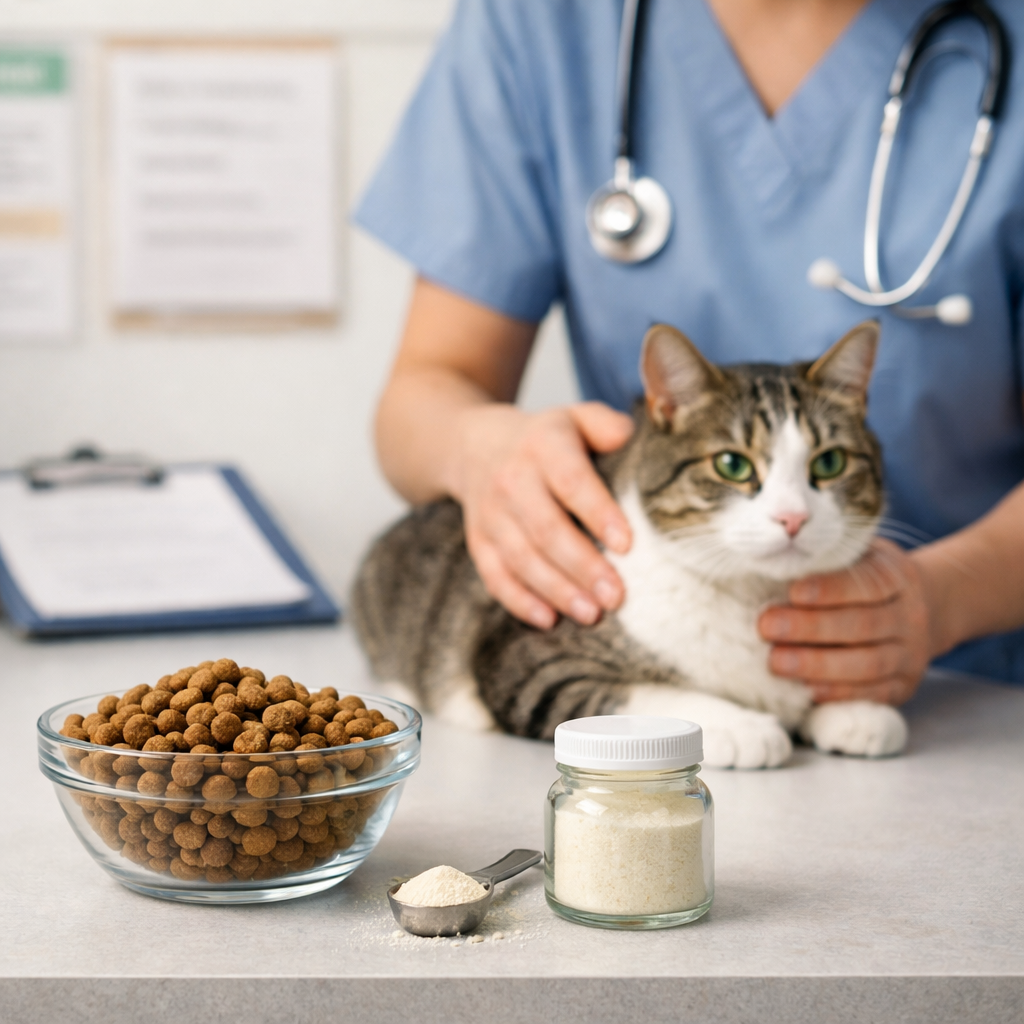
Top Cat Food Brands Veterinarians Trust For Real-World Digestive Health
Choosing cat food for real-world digestive health starts with brands veterinarians trust and ends with how you serve it at home. Across routine cases and sensitive stomachs, vets most often point to Hill’s Science Diet, Royal Canin, and Purina Pro Plan—plus moisture-rich wet foods from Weruva and Tiki Cat—because they pair digestible proteins, balanced fibers, and strong quality control with clear life-stage labeling. Orijen, Solid Gold, and select fresh/frozen options can also fit when you need simpler panels, higher animal-protein content, or targeted functional ingredients. Below, we decode what “digestive-friendly” actually means and how to choose confidently, using Pet Food Ingredient Guide’s label-first framework you can apply in-store or online.
“Digestive-friendly cat food” means highly digestible, named animal proteins; balanced fibers and prebiotics; and sufficient moisture to support stool quality, reduce vomiting/diarrhea, and stabilize the gut microbiome. Seek AAFCO complete formulas with transparent labels—and veterinary diets for chronic issues requiring targeted therapy.
Pet Food Ingredient Guide
Our lens is ingredient-first and pragmatic. We decode labels so you know which named proteins lead, which fibers/prebiotics are present, and whether probiotics are included; we also cover hydration techniques—serving wet meals, adding water correctly, and optimizing drinking setups—so you can improve tolerance without guesswork. Our guides prioritize repeatable checks over slogans. Veterinarians consistently lean toward brands with research-backed formulations and clear life-stage or condition labeling, not marketing claims alone, in independent roundups and buyer’s guides see examples in The Cat Unit’s 2025 brand analysis.
- Learn the basics in our hydration how-to and ingredient glossary (see Pet Food Ingredient Guide’s hydration tips and ingredient glossary).
Hill’s Science Diet
Veterinarians frequently trust Hill’s for sensitive digestion and life-stage precision because the brand emphasizes named animal proteins, clinically tested antioxidant blends, and taurine for heart and vision support, with formulas that undergo rigorous quality checks and feeding validation where available see The Cat Unit’s overview of vet favorites and PawBlooms’ dry food guidance. For the best cat food for sensitive stomach needs, Hill’s Science Diet Sensitive Stomach & Skin lines are common starting points, especially when paired with a slow transition and moisture-forward routines. When your veterinarian flags a targeted need, Hill’s therapeutic options can be considered under clinical guidance.
What to check on the label:
- Named protein first; avoid vague “meat” terms.
- Evidence of feeding trials and AAFCO complete by life stage.
- Callouts like “clinically tested” and guaranteed taurine.
- “Hill’s Science Diet Sensitive Stomach” wording for GI-focused support.
Royal Canin
Royal Canin builds formulas by life stage and by condition, including Digestive Care and urinary-support options that combine fiber/prebiotics and minerals to improve stool quality and urinary health; the brand also engineers kibble shapes to support chewing efficiency and nutrient uptake noted in The Cat Unit’s review of tailored formulas and PawBlooms’ ingredient-focused advice. Choose Digestive Care for chronic stool/comfort issues; use age/size formulas if your cat’s GI signs are mild. Pair dry with the brand’s wet options to boost hydration for cats.
Purina Pro Plan
Purina Pro Plan strikes a useful balance of accessibility, research depth, and targeted benefits, with many recipes starting with real meat or fish and supporting immunity, digestion, and coat health according to formulation claims and independent overviews see PawBlooms’ guidance. The brand appears consistently in veterinarian-validated shortlists, underscoring quality control and broad clinical familiarity PetMD’s vet-verified guide. Specialized lines like LiveClear (which reduces Fel d 1 on fur) can help allergic households; note this addresses dander allergens, not digestion The Cat Unit’s brand notes.
Orijen
Orijen emphasizes animal-ingredient-forward, “biologically appropriate” nutrition; select wet entrées list up to 95% animal ingredients, offering highly bioavailable amino acids that can help some cats maintain muscle while keeping carb loads lower Forbes’ breakdown of high-protein picks. Trade-offs include higher price and the need to confirm tolerability. For high animal-ingredient cat food, pair Orijen’s dry with high-moisture wet food or add water to support hydration.
Solid Gold
For GI-sensitive cats, Solid Gold’s Winged Tiger Sensitive Stomach formula uses quail with pumpkin, plus added probiotics and antioxidants—an appealing combination for owners who want functional fibers and microbial support alongside named proteins WagWalking’s brand roundup. Scan for prebiotic fibers on the panel (e.g., inulin, beet pulp) and transition gradually to reduce upsets.
Weruva
Weruva centers real-meat wet foods with very high moisture, which can improve hydration and stool quality while supporting urinary tract health; the brand’s shredded textures and broths often entice picky eaters WagWalking’s summary of high-moisture choices. For best results, rotate textures and flavors within the same line to protect GI tolerance while keeping interest high.
Tiki Cat
Tiki Cat’s simple, single-protein wet recipes—like Tiki Cat Luau Wild Salmon—are helpful when you need limited-ingredient cat food or a gentle elimination trial guided by your vet Forbes’ coverage of straightforward wet foods. Wet foods average around 80% moisture, supporting hydration and softer stools during sensitive periods [Forbes].
Fresh and frozen options
Fresh and frozen diets can help during vet-directed elimination trials or when you want transparent sourcing and open-kitchen models. Examples include Viva Raw Complete (human-grade, USDA kitchens), Just Food for Cats (open kitchens), and SmallBatch (freeze-dried raw options) Caticles’ fresh brand overview. These formats require refrigeration/freezer space and strict food-safety handling compared with canned/dry Ask A Vet’s handling reminders. Always verify the diet is AAFCO complete for your cat’s life stage before long-term feeding Nibble Nest’s AAFCO check guidance.
How veterinarians evaluate digestive-friendly cat foods
Use this clinician-style checklist to choose on evidence—not price alone. It mirrors how we assess formulas in Pet Food Ingredient Guide.
- Named animal proteins first to ensure bioavailable amino acids and reduce fermentable carbohydrate load The Cat Unit’s criteria.
- Balanced fibers/prebiotics and, when present, probiotics to improve stool quality and reduce upsets PawBlooms’ fiber/probiotic notes and [The Cat Unit].
- Adequate moisture: wet foods average ~80% moisture for hydration and softer stools Forbes’ moisture data.
- AAFCO completeness by life stage (kitten, adult, all life stages) Nibble Nest’s label check.
- Transparent labels and, when indicated, a veterinary diet under professional guidance The Cat Unit; Ask A Vet’s therapeutic diet context.
Stat to remember: Price isn’t a reliable quality signal; research-backed nutrition and quality control matter more for outcomes PetMD’s vet-verified perspective.
Prebiotic vs probiotic (40–50 words): Prebiotics are fermentable fibers, such as inulin or beet pulp, that feed beneficial gut bacteria. Probiotics are live microorganisms added to foods or supplements. Together—when paired with digestible proteins and adequate moisture—they support stool consistency, reduce GI upsets, and help balance the microbiome.
Practical feeding tips for better digestion and hydration
Hydration techniques
- Raise moisture with wet meals; many wet foods are roughly 80% moisture to aid hydration for cats and GI comfort Forbes.
- Add water correctly: mix 1–2 tbsp warm water into wet food; for dry, lightly moisten right before serving to avoid spoilage or texture rejection.
- Optimize drinking setup: multiple stations, wide bowls, a fountain, and distance from litter/food can increase intake.
Transition cat food plan (7–10 days)
- Days 1–2: 25% new / 75% old.
- Days 3–4: 50% / 50%.
- Days 5–7: 75% / 25%.
- Day 8–10: 100% new. Pause or step back if stools soften or vomiting occurs.
Feeding format snapshot
| Format | Pros and watchouts | Best-use notes |
|---|---|---|
| Dry (kibble) | Convenient, easy portioning; dental abrasion claim exists but is limited—some kibbles can reduce tartar buildup | Pair with water or wet to improve moisture; monitor weight and stool PawBlooms |
| Wet (canned/pouches) | Higher moisture supports hydration and urinary/GI health | Great for sensitive stomachs and picky eaters; aim for AAFCO complete lines PetMD, Forbes |
| Fresh/frozen | Simple ingredient panels, strong palatability | Requires refrigeration/freezing and careful handling; verify AAFCO complete before long-term use Ask A Vet, Nibble Nest |
When to contact your veterinarian
Call your vet promptly for chronic vomiting, persistent diarrhea, weight loss, blood in stool/urine, lethargy, or signs of dehydration (dry gums, low appetite, reduced urination). Wet foods can help cats with lower urinary tract disease, kidney disease, or diabetes because higher moisture supports hydration and urine dilution PetMD’s vet guidance. Veterinary therapeutic diets should only be used under professional supervision, especially for IBD, food allergy, or urinary stone management Ask A Vet’s clinical notes.
Frequently asked questions
What brand do veterinarians recommend most for sensitive stomachs?
Veterinarians often recommend established brands with research-backed formulas and strong quality control. Use Pet Food Ingredient Guide to identify options with digestible proteins, balanced fibers, and clear life-stage labeling.
What ingredients help with diarrhea, constipation, or vomiting?
Look for named animal proteins, prebiotic fibers (inulin, beet pulp), and probiotic blends; adequate moisture from wet foods helps too. Pet Food Ingredient Guide’s ingredient pages can help you spot them quickly.
Should I choose wet, dry, or mixed feeding for digestive health?
Wet or mixed feeding raises dietary moisture, which supports hydration and softer stools. See our hydration tips for simple ways to set up a routine that works.
How do I transition to a new food without upsetting my cat’s stomach?
Follow a 7–10 day plan like the one in Pet Food Ingredient Guide; slow down if stools soften or vomiting occurs.
When is a prescription diet necessary for digestion issues?
If signs are chronic or severe, ask your veterinarian about diagnostics and a therapeutic diet. Our guides can help you prepare questions and review label details alongside your vet’s advice.