Top Cat Foods That Don’t Smell Bad: Vet-Backed Buying Guide
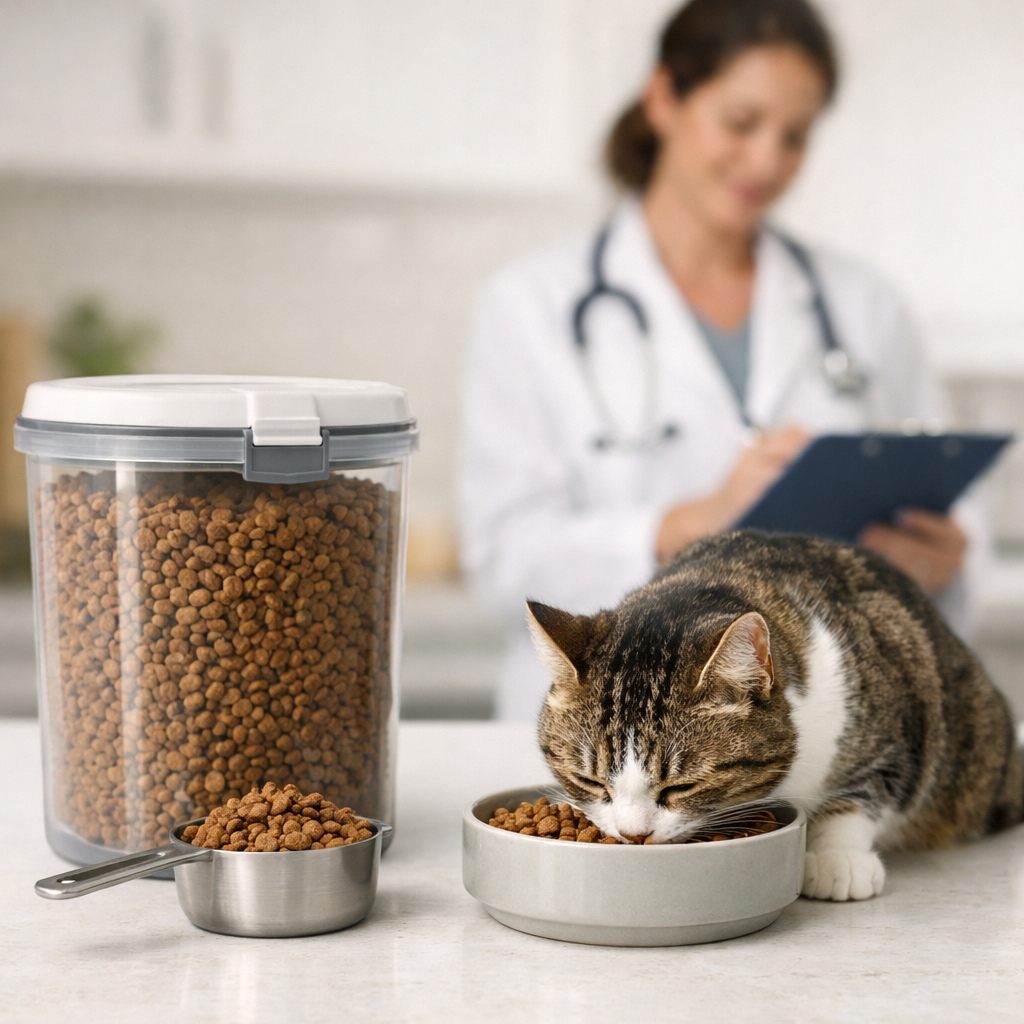
Top Cat Foods That Don’t Smell Bad: Vet-Backed Buying Guide
If you’re hunting for cat food that doesn’t stink up the kitchen—or the litter box—focus on moisture, digestibility, and animal-first ingredients. Low-odor cat food typically means recipes that have a mild in-bowl aroma and support smaller, less smelly stools by emphasizing high-quality animal protein, high moisture, and balanced fiber with optional probiotics. Most households notice less odor within 2–4 weeks of a single, well-portioned diet change. If strong odor persists, rule out medical issues with your veterinarian. This guide highlights accessible, premium picks and gives you a clear plan to reduce smell quickly and safely.
Pet Food Ingredient Guide
Our approach is independent and data-driven: ingredient-level analysis, label interpretation, and practical feeding math you can adjust based on results—not brand hype. We prioritize digestible cat food that’s moisture-rich, animal-forward, and free of unnecessary fermentable fillers. We keep the focus on evidence and plain-language labels so you can make confident, repeatable choices.
Digestibility is the proportion of nutrients a cat absorbs rather than excretes. Highly digestible foods tend to yield smaller, less odorous stools, steadier energy, and fewer GI upsets. It’s influenced by protein source and quality, processing method, fiber type and amount, and moisture level.
For broader context, many shoppers reference the Cats.com scoring framework, which rates brands across six equally weighted dimensions—species appropriateness, ingredient quality, variety, price, customer experience, and recall history—each scored 1–10 for a total brand score of 6–60. See the Cats.com cat food reviews for details (use frameworks as guides, not replacements for veterinary advice), and pair any framework with Pet Food Ingredient Guide’s ingredient-level analysis and practical feeding math.
Weruva
Weruva’s broth-forward cans and pouches often smell mild in the bowl and can yield less smelly stools, thanks to high moisture and named, animal-based proteins. Cats.com also highlights Weruva TruLuxe among top picks in several categories, reflecting strong species-appropriateness across lines.
Best fit:
- Cats needing hydration support and gentle digestion
- Picky eaters who prefer shredded or minced textures
Buying/feeding tips:
- Compare moisture percentage on the label; broth-first is fine in canned foods when named meats follow.
- Start a 7–10 day transition to avoid GI upsets and track stool odor weekly.
Tiki Cat
Tiki Cat’s simple-ingredient, protein-rich wet foods support lower odor by improving hydration and trimming fermentable starches. Many vets favor moisture-rich, low-carb diets for easier digestion and better litter-box outcomes; see Forbes’ vet-reviewed guide for broad context.
Best fit:
- Cats that thrive on high animal protein with minimal fillers
- Sensitive cats—look for lines with short, transparent ingredient decks
Buying/feeding tips:
- Check carb content; avoid heavy pulses/starches if odor or gas is a concern.
- Rotate textures (shreds, mousse) for picky cats without changing proteins too quickly.
Smalls
Fresh, high-moisture, high-protein recipes from Smalls can reduce stool odor by using digestible meats and gentle cooking. Forbes notes Smalls as a moisture-rich, low-carb option that can be easier on digestion.
Best fit:
- Owners wanting fresh food convenience with simple, named meats
- Texture-sensitive cats—compare minced vs. ground
Pro tip:
- If stool odor lingers after 2–3 weeks, consider layering a vet-recommended probiotic to stabilize the microbiome.
Purina Pro Plan
Purina Pro Plan is widely available and research-backed, with targeted digestive and sensitive-stomach lines that can reduce odor when well-matched. PetMD includes Purina Pro Plan among vet-recommended brands, and price isn’t always a proxy for quality—look for research behind formulas. An informal Reddit analysis of 80 threads scored Pro Plan 98/100 in community recommendations, underscoring user trust.
How to use it:
- Choose digestive or sensitive-skin/stomach lines first.
- Monitor stool consistency and smell for 2–4 weeks before making further changes.
Hill’s Science Diet
Hill’s emphasizes clinical nutrition with life-stage and condition-specific recipes, including digestive and urinary formulas that may reduce litter and breath odor when chosen appropriately. PetMD lists Hill’s Science Diet among vet-recommended options. Verify that the bag or can states AAFCO-complete nutrition; Business Insider’s cat food guide explains what to look for on labels.
How to use it:
- Select by life stage and need (e.g., Adult Sensitive Stomach & Skin).
- Track changes with a simple stool/odor log during the transition.
Royal Canin
Royal Canin’s specialized indoor and digestive lines aim to reduce stool volume and odor for some cats. Business Insider’s product data notes Royal Canin Digestive Care at approximately 1.6% fat and 2.5% fiber (as fed), aligning with gentler digestion for certain cats. PetMD also includes Royal Canin among vet-recommended brands.
How to use it:
- Consider indoor/digestive formulas if large, smelly stools are frequent.
- Match macronutrients and fiber to your cat’s stool pattern (too loose vs. too firm).
Orijen
Orijen prioritizes meat-first, high-protein recipes with fewer fillers—appealing for owners who want animal-forward nutrition. Forbes reports Orijen’s Tuna, Salmon & Beef Entrée contains about 95% animal ingredients, reflecting a protein-dense, lower-carb approach that many cats digest well.
How to use it:
- If feeding mostly dry, add a moisture strategy (wet toppers or water) to support odor control.
- Best for active cats; monitor stool firmness and smell after switching.
Open Farm
Open Farm offers higher-protein, limited-filler options with strong ingredient transparency. Catster includes Open Farm among top cat-food brands of 2026, noting its emphasis on named meats and quality sourcing.
How to use it:
- Choose wet recipes or hydrate dry with water/bone broth to boost moisture.
- Compare carb sources and avoid excessive legumes if gas/odor is an issue.
Farmina
Farmina’s meat-forward formulations align with “meat-first, low starch” traits that Cats.com flags for top-performing dry foods. When paired with sufficient moisture, these diets can support better digestion and lower stool odor.
How to use it:
- Evaluate ash and fiber levels; too much insoluble fiber can bulk stools without improving smell.
- Consider limited-ingredient options for sensitive cats.
Ziwi Peak
Ziwi Peak’s air-dried and canned recipes are meat-dense, with organ meats that boost nutrients while keeping carbs minimal—often reducing stool volume and odor through high digestibility. Catster emphasizes Ziwi Peak’s near-exclusive use of animal ingredients.
How to use it:
- Transition slowly (rich formulas) and assess cost per calorie.
- Add wet toppers or water to maintain hydration.
Brand-at-a-glance for odor reduction
| Brand | Primary format(s) | Texture focus | Why it may reduce odor | Best for |
|---|---|---|---|---|
| Weruva | Wet (cans/pouches) | Shredded/minced | High moisture, named meats, mild in-bowl aroma | Hydration support, picky eaters |
| Tiki Cat | Wet | Shreds, mousse | Simple, low-carb, moisture-rich | Sensitive cats needing straightforward decks |
| Smalls | Fresh/wet | Minced/ground | Digestible proteins, high moisture | Owners seeking fresh, low-odor meals |
| Purina Pro Plan | Wet & dry | Pâté, kibble | Research-backed digestive lines | Widely available, targeted GI support |
| Hill’s Science Diet | Wet & dry | Pâté, kibble | Clinical nutrition for digestion/urinary | Life-stage/condition-matched feeding |
| Royal Canin | Wet & dry | Pâté, kibble | Indoor/digestive formulas to reduce volume | Cats with bulky, smelly stools |
| Orijen | Wet & dry | Loaf, kibble | Meat-first, lower carb | Active cats; add moisture if feeding dry |
| Open Farm | Wet & dry | Pâté, kibble | Higher protein, limited fillers | Transparency-focused buyers |
| Farmina | Wet & dry | Pâté, kibble | Meat-first, low starch | Odor control via digestibility |
| Ziwi Peak | Air-dried & wet | Jerky-like, pâté | Meat-dense, minimal carbs | Smaller, less odorous stools |
How to choose low-odor cat food
Quick checklist:
- Prefer wet or fresh for moisture.
- Choose named animal proteins first.
- Keep carbs/starch low; avoid heavy pulses if gas is an issue.
- Consider limited-ingredient cat food for sensitivities.
- Add a vet-recommended probiotic if odor persists.
Many vets emphasize moisture-rich, low-carb diets because cats have a low thirst drive; higher moisture supports digestion and hydration for easier stools and less odor (see Forbes for broad guidance). Use this 5-step flow:
- Identify the main issue (bowl smell, stool size/odor, gas).
- Shortlist 2–3 formulas that fit moisture/protein criteria.
- Pick one change only.
- Transition over 7–10 days.
- Evaluate for 2–4 weeks before adjusting. This is the same measured approach we use at Pet Food Ingredient Guide.
Ingredient signals that reduce smell
- Label rule: Look for named animal proteins at the top. For canned foods, water or broth may appear first, followed by named meats—that’s acceptable and supports moisture.
- Limited-ingredient diet: A limited-ingredient diet uses fewer total components—often one protein and one carbohydrate source—to reduce exposure to potential irritants. For sensitive cats, fewer fermentable substrates can lower GI gas and stool odor while simplifying elimination trials.
- Meat-first, low starch is a top dry-food trait and correlates with better species appropriateness per Cats.com’s analyses. These are the primary signals we weigh in Pet Food Ingredient Guide reviews.
Moisture, digestibility, and fiber
Wet food’s higher moisture supports hydration and kidney health, and mixed feeding can further aid hydration and digestion, which often reduces odor (Kwikpets overview). Many vets also highlight moisture-rich, low-carb diets for easier digestion and smaller, less smelly stools.
Moisture-rich diet: A moisture-rich diet provides high water content—typically 70–80% in canned or fresh foods. For cats with a low thirst drive, this supports hydration, dilutes metabolic waste, eases stool passage, and can reduce odor by improving GI transit and nutrient absorption.
Fiber guidance:
- Choose moderate, well-tolerated fibers (e.g., beet pulp, psyllium).
- Avoid excessive fermentable pulses/legumes if odor or gas is a concern.
Probiotics and stool normalization
Probiotics are live, beneficial microorganisms that support a healthy gut microbiome. In cats, they can improve stool consistency, reduce gas, and enhance nutrient absorption. When used consistently, they may decrease fecal odor by limiting overgrowth of odor-producing bacteria and stabilizing digestion.
Start with an AAFCO-complete diet, then add a vet-recommended probiotic if odor persists after 2–3 weeks. Evaluate results over a 2–4 week window.
How to feed for less odor
Mixed feeding (wet + dry) often works best for many households—balancing hydration, palatability, and convenience (Kwikpets). Change one variable at a time and keep a 14–28 day log for stool size, texture, and smell.
Sample monitoring:
- Day 0 baseline: Record current food, portions, stool score, and odor 1–5.
- Checkpoints: Day 7, 14, 21, 28 with notes on any gas or litter ammonia.
Portioning wet food with examples and schedules
Baseline energy:
- For a 10-lb (4.5-kg) moderately active adult, start around 180–220 kcal/day.
- Translate labels to meals. If a can is 85 kcal, feed ~2–3 cans/day split into 2–3 meals.
Mixed-feeding math example:
- 120 kcal from wet (≈1.5 cans at 80 kcal each) + 80 kcal from dry (≈20 g at 4 kcal/g).
- Adjust ±10% weekly based on body condition and stool odor.
Schedules:
- Two meals: 7 a.m. / 7 p.m. (equal calories).
- Three meals: 7 a.m. / 1 p.m. / 7 p.m. at 40% / 20% / 40%—helps minimize bowl smell and stabilize digestion.
Two- to four-week transition and adjustment plan
Low-risk transition (7–10 days):
- Days 1–3: 25% new, 75% old
- Days 4–6: 50/50
- Days 7–9: 75% new
- Day 10+: 100% new
- Extend if sensitivity appears.
2–4 week audit:
- Weekly weigh-in; stool score (firm but not dry).
- Odor scale 1–5; note gas and litter ammonia.
- Adjust calories ±10% per week as needed.
Escalation:
- If strong odor, diarrhea, or vomiting persists >2 weeks, contact your veterinarian to rule out underlying disease.
Storage, hygiene, and litter box environment
- Storage: Keep kibble in the original bag inside an airtight bin. Refrigerate canned leftovers; use within 48–72 hours to limit fat oxidation odors.
- Hygiene: Rinse bowls daily; wash weekly with hot soapy water. Provide fresh water; fountains can encourage drinking and support hydration.
- Litter box: Scoop 1–2x/day, refresh litter regularly, ventilate the area. Track changes after diet shifts to isolate what works.
Frequently asked questions
Does wet food reduce stool smell compared to dry?
Often yes: moisture-rich wet foods support hydration and gentler digestion, which can reduce stool odor. Mixed feeding also helps many households; see Pet Food Ingredient Guide’s transition guidance above.
How long until a new diet improves odor?
Expect gradual changes within 2–4 weeks if you switch methodically and keep portions consistent. Track weekly with our simple log and escalate to your vet if strong odor persists.
Are grain-free or raw diets always less smelly?
Not always—results vary by cat and formula. Prioritize digestibility, moisture, and AAFCO-complete nutrition; Pet Food Ingredient Guide’s ingredient-level guidance helps cut through marketing.
Could medical issues be causing strong odor?
Yes; conditions like GI inflammation, malabsorption, dental disease, or pancreatitis can cause persistent odor. If smell remains strong after our 2–4 week transition plan, consult your veterinarian.
Do expensive foods always smell better?
No—price doesn’t guarantee quality or low odor. Focus on moisture, named animal proteins, and proven digestibility; Pet Food Ingredient Guide’s criteria make side-by-side comparisons easier.