Top Complementary Wet Cat Foods 2026: Evidence-Based Options Cats Love
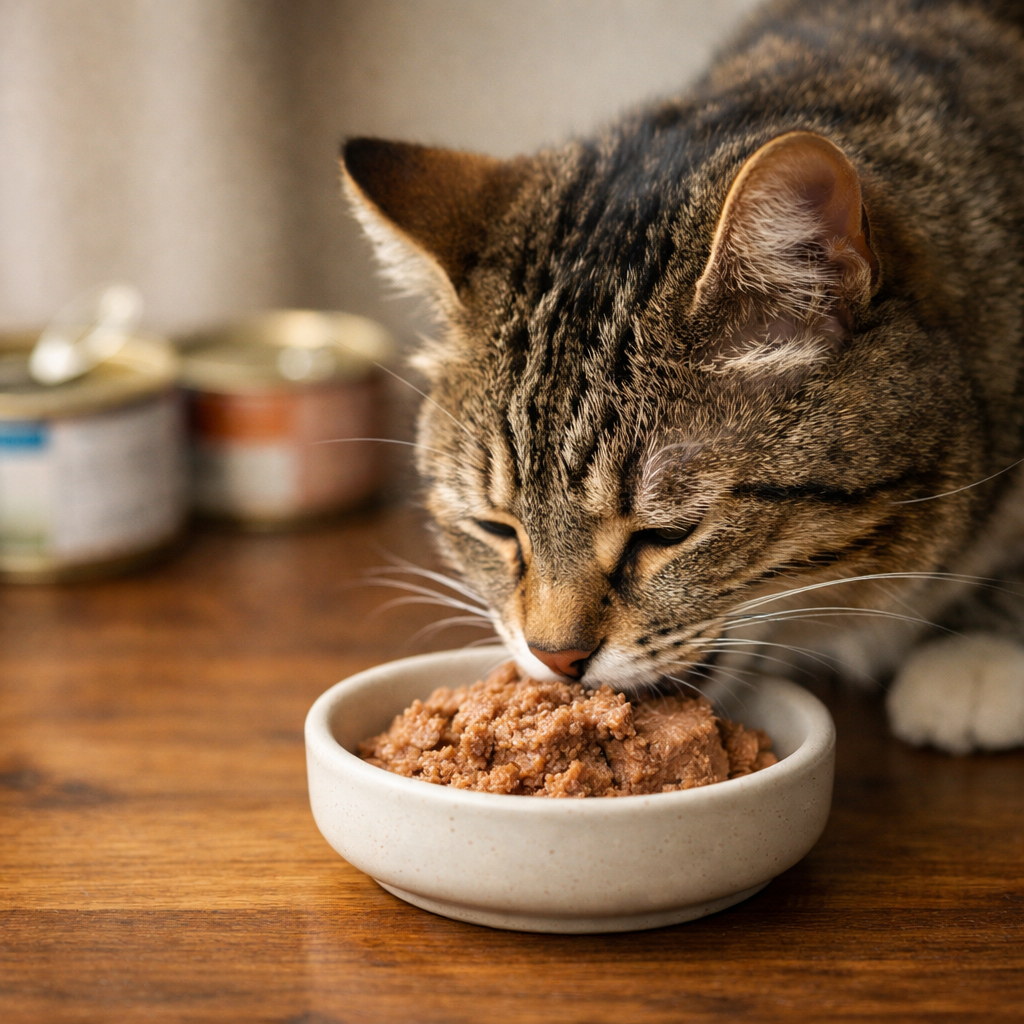
Top Complementary Wet Cat Foods 2026: Evidence-Based Options Cats Love
Complementary wet cat foods are toppers or mixers you add to a complete diet to boost hydration, flavor, and variety—especially helpful for picky eaters and cats that need more moisture. Wet foods typically contain about 75%–78% water versus kibble’s 10%–12%, a big lever for hydration and palatability according to Business Insider’s wet food guide (see moisture comparison in their overview). The best complementary wet cat foods 2026 put animal protein first, stay low in carbohydrates, and clearly state whether they’re “complementary” or “complete & balanced.” Use them to elevate a species-appropriate cat diet, but keep portions in check and rotate proteins—especially if you use fish-based options—to balance nutrients and mitigate exposure risks. For medical conditions, involve your veterinarian from the start.
Business Insider: Best wet cat food
Pet Food Ingredient Guide
Our approach is ingredient-centric and transparency-first. We prioritize high-moisture, animal-protein-forward recipes; clear AAFCO status; carrageenan-free formulations; and brands that document ingredient sourcing. We assess real-world palatability and texture fit too—pâté for seniors or dental issues, shreds and chunks for texture seekers—because format often determines success with picky eaters. For 2026, we continue to favor limited-ingredient and carrageenan-free toppers that complement, not dilute, your cat’s balanced diet. We apply the same criteria across this guide so you can replicate results at the shelf.
PetMax: 2026 wet cat food guide
How we evaluate complementary wet foods
We use a simple, repeatable framework you can take to the shelf:
- Moisture target around 75%–80%
- Named animal proteins (chicken, turkey, tuna) high on the ingredient list
- Carrageenan-free; minimal plant gums and thickeners
- Clear AAFCO statement (complementary vs. complete & balanced)
- Value per ounce that fits your budget
- Texture fit by life stage and dental status
- Brand transparency on ingredients and sourcing practices
Why moisture matters: higher water intake supports cats prone to diabetes, kidney disease, and lower urinary tract disease, making wet and broth-rich toppers useful additions when used alongside a balanced base diet, as emphasized in PetMD’s vet-verified review of wet foods.
PetMD: Vet-verified best wet cat food
What complementary means on the label
Complementary cat foods are toppers or mixers meant to be fed with a complete diet. They add hydration, flavor, and variety but don’t meet all nutrient needs alone. Look for an AAFCO “intermittent or supplemental feeding” statement and don’t use them as the sole diet to prevent long-term imbalances.
Quick Label Check:
- Look for “complementary” or “intermittent/supplemental use” wording
- Prefer named animal proteins; avoid vague “meat” terms
- Choose carrageenan-free formulas with limited plant thickeners
Comparison at a glance:
| Feature | Complementary | Complete & Balanced |
|---|---|---|
| Purpose | Topper/mixer for variety, hydration, palatability | Standalone daily nutrition |
| AAFCO statement | “Intermittent or supplemental feeding” | “Complete & balanced” for specific life stage(s) |
| Safe feeding role | ≤10–20% of daily calories unless vet advises | Base diet providing all essential nutrients |
| Examples | Broths, meat shreds in gravy, limited-ingredient pâtés | Life-stage pâtés, stews, or pouches meeting AAFCO profiles |
How to use complementary wet foods safely
- Portioning: Keep complementary items to about 10–20% of daily calories and pair with a complete & balanced base.
- Transition plan:
- Days 1–3: Add 1–2 teaspoons as a topper.
- Days 4–7: Increase gradually if stool and skin remain normal.
- Adjust textures: pâté for seniors/kittens or dental issues; shreds/chunks for texture-motivated cats.
- Palatability & satiety: The aroma of wet food can entice low-appetite cats, and wet options are often lower in calories per comparable serving—useful when managing weight while maintaining interest, as summarized in vet-verified lists.
Use our 7-point checklist below to keep topper trials structured and balanced.
Instinct Original
Instinct Original frequently appears on “best wet food” roundups for its animal-protein emphasis and overall palatability. If you’re using it as a topper, look for poultry-first recipes to support a lower-mercury rotation, confirm the line is carrageenan-free, and choose pâté textures for older cats or those with missing teeth; as with any brand, verify the AAFCO statement for the specific recipe.
CatFoodAdvisor: Best wet cat foods
Purina Pro Plan
Pro Plan’s wide availability, research backing, and targeted formulas make it a practical complement to balanced diets. On vet-verified lists, selection factors include brand reputation, clinical research, palatability, and price; Pro Plan’s Sensitive Skin & Stomach pâté includes prebiotic fiber—helpful when topping for gentle GI support. For indoor or weight control, pair lower-calorie wet options with appropriate fiber and measure portions, and confirm AAFCO status per recipe.
Tiki Cat
Tiki Cat is known for meat-forward, low-carbohydrate recipes that suit species-appropriate feeding and can help stimulate appetite in picky or underweight cats (Luau formulas are commonly praised). Favor pâté styles when you want to minimize carbohydrate load. Rotate fish flavors with poultry or rabbit to diversify proteins and reduce heavy metal exposure risk over time, and verify the AAFCO statement by flavor.
Cats.com: Best canned cat foods
Weruva
Weruva focuses on hydration-forward, broth-rich recipes with “restaurant-inspired” textures that entice reluctant eaters. Shredded and chunks-in-gravy formats add variety many cats prefer, making Weruva a smart topper to boost moisture and aroma—especially for seniors who need a flavor lift alongside their balanced base. Check the AAFCO statement for each pouch or can.
Fancy Feast
For budget-conscious shoppers, Fancy Feast remains a high-palatability option. Grilled seafood varieties often include extra broth that can tempt picky cats; prioritize lines without carrageenan and rotate away from fish-only feeding. Treat it as an occasional complement when cost drives your choice, and confirm AAFCO status for the exact variety.
The Spruce Pets: Best canned cat foods of 2026
Royal Canin
Royal Canin’s precise nutrient profiles can be useful for topping when you have specific goals (indoor, hairball). Representative adult wet numbers often cited include approximately 40.3% protein, 14.7% fat, 5.6% fiber, and about 55 kcal per 3-oz can—useful data points when matching energy needs. Always confirm whether the specific product is complementary or complete & balanced before relying on it as a topper strategy.
Smalls
Fresh-style options like Smalls add personalization and texture variety. Reported outcomes include 90% of customers noticing health improvements and 78% seeing shinier coats, with meals that can cost under $2 each—benefits worth weighing against subscription logistics and budget. Best used for picky eaters, texture trials, or short palate resets while ensuring the base diet stays balanced; verify AAFCO status if using as a topper.
DeliveryRank: Best wet cat food
The Honest Kitchen
The Honest Kitchen appeals to owners seeking ingredient transparency and grain-free, minimally processed recipes. Broth-forward pouches can boost hydration, and many recipes are designed to entice picky cats. Verify carrageenan-free status per recipe and pair with a complete & balanced base, especially during sensitive-stomach trials.
Sheba
Sheba’s Perfect Portions trays make portion-controlled topping easy, preserving freshness and reducing waste for fussy cats. Use pâté for seniors or dental issues and shreds for texture seekers, rotating non-fish flavors to diversify proteins across the week. Check the AAFCO statement on individual trays.
Who should not rely on complementary wet foods
Cats with chronic kidney disease, diabetes, or lower urinary tract disease often benefit from higher moisture, but they still need balanced nutrition or prescription diets—don’t replace therapeutic plans without veterinary guidance. Avoid feeding complementary foods as the sole diet; confirm AAFCO status and ensure the complete base provides all essential nutrients. For weight management, wet foods can help with satiety at lower calories per serving, but total daily nutrients must remain balanced.
Buyer’s checklist and red flags
Use this Pet Food Ingredient Guide checklist when comparing options in-store or online.
7-point checklist:
- Moisture ≥75%
- Named animal protein near the top of the ingredient list
- Carrageenan-free; minimal plant gums
- Clear AAFCO “complementary” statement (or “complete & balanced” if using as a base)
- Texture appropriate for life stage (pâté for seniors/kittens)
- Transparent sourcing and labeling
- Price per ounce that fits your budget for sustainable use
Red flags:
- Fish-only rotation week after week (heavy metal exposure risk)
- Vague proteins (“meat,” “animal by-product” without species)
- Excessive carbohydrates or plant thickeners
- Big marketing claims without ingredient or sourcing proof
Mini Texture Guide:
- Pâté: smooth, easy for dental challenges and seniors
- Shredded: visible muscle meat in broth/gravy; texture-driven appeal
- Chunks-in-gravy: larger pieces for a more substantial experience
Frequently asked questions
How much complementary wet food can I feed without unbalancing the diet
Keep complementary foods to about 10–20% of daily calories alongside a complete & balanced base. Use Pet Food Ingredient Guide’s 7-point checklist to stay on track.
Do complementary wet foods improve hydration and urinary health
Yes. Wet foods average 75%–78% moisture and support hydration, which benefits cats with kidney or lower urinary tract disease; use our moisture and AAFCO checks to pick products.
Is fish-based complementary food safe to feed daily
Rotate fish with poultry or other proteins. Our guidance favors weekly protein rotation to lower heavy metal exposure risk and broaden nutrient intake.
What textures work best for picky or senior cats
Start with pâté for seniors or cats with dental issues, and try shreds or chunks-in-gravy for texture-driven picky eaters. Our mini texture guide helps you match format to needs.
What ingredients should complementary wet foods avoid
Avoid carrageenan, vague meats, and heavy plant thickeners. Choose toppers with named animal proteins, limited additives, and a clear AAFCO “complementary” statement using our label checks.