Top Hydration Tips for Older Cats to Support Kidney Health
Top Hydration Tips for Older Cats to Support Kidney Health
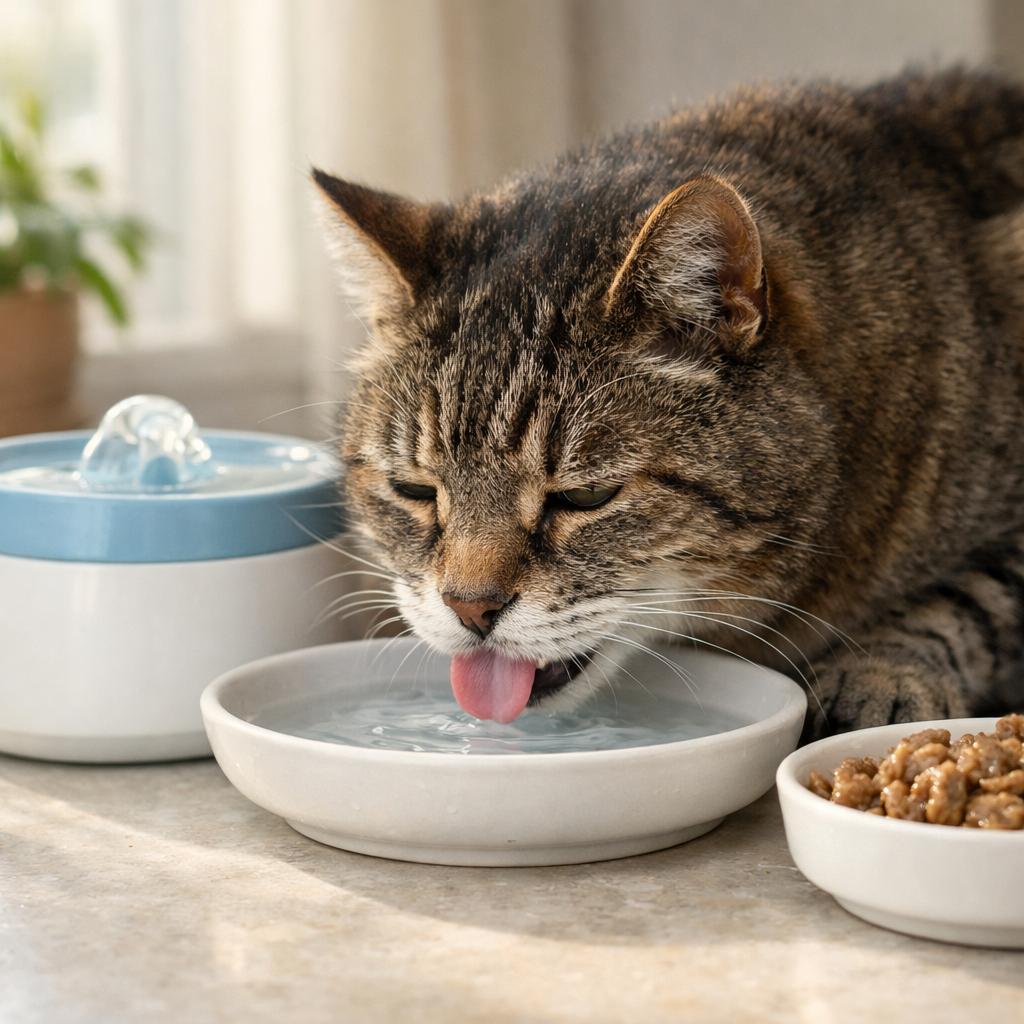
Keeping an older cat well hydrated is one of the simplest ways to support their kidneys, which filter waste and balance fluids. As cats age, their thirst drive can wane, so relying on drinking alone often isn’t enough. Practical wins include serving wet food at most meals, adding a splash of warm water, offering multiple quiet water stations (or a low‑flow fountain), and choosing wide, shallow bowls that reduce whisker stress. Track litter box output and daily intake so you can spot changes early and contact your veterinarian as needed. The tips below translate label literacy and home setup into a daily routine your senior cat will actually follow—without gimmicks or risky human products.
Pet Food Ingredient Guide
Pet Food Ingredient Guide is a neutral, educational resource dedicated to label literacy and practical pet nutrition. Our Ingredient Library helps you decode moisture, broths, gums, and palatants so you can “match calories to cans” and choose options that suit your senior cat’s needs. This cat hydration guide shares simple, evidence‑informed strategies that complement veterinary care—no brand endorsements, just clear steps pet parents and veterinary teams can use together. It helps you prepare specific, label‑based questions and choices to discuss with your veterinary team.
Why hydration supports kidney health in senior cats
Dehydration occurs when the body loses more fluid than it takes in, reducing blood flow to tissues and forcing the kidneys to work harder to filter waste—an added strain for older cats whose thirst cues are weaker. Veterinary resources describe dehydration in clear terms and warn it can escalate quickly in cats, especially seniors (see VCA Hospitals on dehydration in cats). Humans show a similar pattern: older adults are more prone to dehydration and benefit from routine, proactive sipping and cues throughout the day, a principle that applies to senior pets too (Ultimate Hydration Guide). Because many cats won’t drink enough on their own, moisture from food is pivotal—wet diets deliver water with calories, lowering the reliance on thirst to meet daily needs.
How to tell if your older cat needs more fluids
In people, lighter urine is a quick hydration check; for cats, look for shifts in litter box patterns—fewer or smaller clumps, stronger odor, or darker, more concentrated urine. Nutrition guidance for humans stresses using frequent cues and habit loops to stay hydrated (hydration strategies recommended by nutritionists), and similar gentle nudges work for pets.
Early flags your senior cat may need more fluids:
- Reduced drinking or avoiding the bowl
- Tacky or sticky gums
- Strong-smelling urine
- Less frequent urination or very small clumps
- Lethargy or decreased activity
- Decreased appetite
A simple 7‑day tracking list makes trends visible and shareable with your veterinarian:
| Day | Water Offered (ml) | Water Consumed (ml) | Wet Food Servings | Urinations (clumps/size) | Defecations | Appetite (0–2) | Behavior Notes |
|---|---|---|---|---|---|---|---|
| 1 | — | — | — | — | — | — | — |
| 2 | — | — | — | — | — | — | — |
| 3 | — | — | — | — | — | — | — |
| 4 | — | — | — | — | — | — | — |
| 5 | — | — | — | — | — | — | — |
| 6 | — | — | — | — | — | — | — |
| 7 | — | — | — | — | — | — | — |
1. Offer wet food at most meals
Canned food reliably increases total water intake because it delivers moisture with every bite. Many cats take in more water from their diet than from the bowl, and animal‑care organizations encourage wet diets to support hydration alongside fresh water (RSPCA guidance on water and wet food). Moisture‑rich textures help:
- Pâté wet food: steady moisture per serving for consistent hydration.
- Gravy‑style wet food: added free water for cats who love sauce.
Transition gradually over 5–7 days to avoid GI upset: mix 25% new wet food with current food for two days, then 50% for two, 75% for two, and finally 100%. Check calories and moisture on the cat food label, and use our Ingredient Library to interpret broths, thickeners, and palatants so you can match calories to cans.
2. Add warm water to create a hydration soup
Stir 1–2 tablespoons of warm water into wet food to make a “hydration soup.” Slight warmth releases aroma without over‑thinning; aim for a consistency your cat reliably consumes. In people, cold fluids are absorbed faster and help with cooling (Proper Hydration Tips for Athletes), but many cats prefer room‑warmth for aroma and palatability.
3. Use multiple water stations around the home
Place 2–3 water stations in different rooms or on different floors, near favorite rest areas and away from busy walkways. Elevate bowls slightly for seniors with arthritis, and ensure easy access without stairs when possible. Just as reminders help people maintain hydration habits (hydration strategies recommended by nutritionists), strategic placement cues your cat to sip more often.
4. Try a quiet, low-flow water fountain
Many cats prefer moving water; a gentle fountain can keep water fresher and encourage more frequent sipping. Look for low‑flow, quiet motors, and stainless or ceramic paths with easy‑to‑clean parts. Keep the fountain away from food and litter to avoid noise or odor deterrents (Preventive Vet’s tips on getting cats to drink more).
5. Choose wide, shallow stainless or ceramic bowls
Whisker stress (whisker fatigue) happens when sensitive whiskers repeatedly brush against tall, narrow bowl sides, which can discourage eating and drinking. Wide, shallow bowls reduce contact and make sipping more comfortable. Stainless steel or ceramic also minimize odors and biofilm and are easy to sanitize; rinse and refill daily and deep‑clean weekly (Blue Cross advice on cat water bowls).
6. Make water more appealing with safe flavor boosts
Simple palatability tweaks can help:
- Slightly warm water for aroma, or add a few ice cubes for novelty.
- Mix in 1 teaspoon of low‑sodium, unseasoned chicken broth (no onion/garlic).
Avoid human sports drinks or sweetened flavorings. Many popular endurance mixes contain athlete‑focused electrolytes and substantial sugars and sodium—not appropriate for cats (some products list around 380–500 mg sodium and 15–17 g sugar per serving). Human nutrition guidance also emphasizes limiting sugary drinks and choosing water‑first strategies.
7. Keep water fresh, cool, and easy to reach
Refresh bowls at least daily, keeping water clean and cool to boost interest. If your tap has strong odors, use a covered pitcher or filter. Place bowls away from loud appliances and foot traffic so seniors feel safe lingering to drink.
8. Separate water from food and litter areas
Many cats prefer water stations set apart from food. Keep bowls several feet from food dishes and well away from litter boxes to avoid odor aversion and contamination. Offer at least one bowl near a favorite rest spot and one in a quiet, low‑traffic zone.
9. Establish consistent feeding and drinking routines
Turn hydration into habit by pairing cues with daily events: refresh water at wake‑up and bedtime, serve wet meals at set times, and do a midday bowl check. In multi‑cat homes, provide multiple stations so seniors aren’t displaced by younger or bolder cats.
10. Monitor litter box output and daily intake
A quick daily log turns vague impressions into concrete data you can share with your veterinarian. Watch for sudden drops in urination, very concentrated urine, vomiting, or marked lethargy.
Simple 4‑column daily log template:
| Date | Water Offered (ml) | Water Remaining (ml) | Urinations (#/notes) |
|---|---|---|---|
| — | — | — | — |
| — | — | — | — |
| — | — | — | — |
Add a notes line for stool quality and appetite.
11. Use only veterinarian-approved electrolyte solutions
Avoid human electrolyte and sports drinks; their sugars and sodium/potassium profiles are designed for athletes, not cats. For example, some mixes list about 500 mg sodium and 17 g sugar per serving (e.g., PH500) or 380 mg sodium and 15 g sugar (e.g., Nuun Endurance), illustrating the mismatch (review of hydration mixes). If your veterinarian recommends an oral rehydration solution, use a pet‑formulated product and follow dosing precisely.
12. Adjust for heat, activity, and mobility changes
Warm weather and play raise fluid needs. In people, steady sipping outperforms waiting for thirst, and the same “little and often” rhythm suits cats, especially seniors. For brief play sessions, pre‑place a fresh, cool bowl nearby. For mobility issues, elevate bowls slightly and add extra stations on the main living level.
Ingredient Library tips for reading hydration-friendly labels
- Moisture (guaranteed analysis) is the maximum percentage of water in the food. Higher moisture in canned foods typically means more total water per serving.
- Scan for: moisture percentage (aim high for canned), sodium content (especially important if your vet is managing CKD), and phosphorus levels in renal‑support diets. Use the Ingredient Library to decode broths, gums, thickeners, and palatants so you can match calories to cans without surprises.
Quick texture comparison:
| Texture | Typical Moisture (as‑fed %) | Why choose it | Serving idea |
|---|---|---|---|
| Pâté | 75–82% | Consistent moisture in every bite | Add 1–2 tbsp warm water to make a soup |
| Gravy‑style | 78–85% | Extra free water for “sauce lovers” | Stir to evenly distribute fluids |
| Stew/chunks in broth | 72–80% | Chewier texture; broth can be lapped up | Warm slightly to boost aroma |
When to call your veterinarian
Contact your veterinarian promptly if you notice reduced drinking, very concentrated or minimal urine, vomiting, lethargy, or clear shifts in litter box patterns—earlier action helps preserve kidney function (Ultimate Hydration Guide). Bring your hydration journal to appointments. Do not use human electrolyte products; ask your veterinarian about pet‑approved options only.
Frequently asked questions
How much water does a senior cat need each day?
A common guideline is about 4 ounces per 5 pounds of body weight, with wet food supplying much of that for many cats (The Spruce Pets on cat water intake). Our Ingredient Library can help you read moisture percentages to hit those targets with canned foods.
Do water fountains really help older cats drink more?
Many cats prefer moving water and will drink more from quiet, low‑flow fountains; choose ceramic or stainless designs and place them in calm areas.
What are early signs my cat may be dehydrated?
Watch for reduced drinking, tacky gums, stronger‑smelling urine, fewer or smaller clumps in the litter box, lethargy, or decreased appetite—call your veterinarian if these changes persist.
Is broth safe to add to my cat’s water?
Yes, in small amounts if it’s low‑sodium and unseasoned (no onion or garlic). Start with about 1 teaspoon to enhance aroma without adding unnecessary salts or sugars.
Should I switch to a kidney-supportive diet to help hydration?
Discuss this with your veterinarian. Many renal diets are wet and aid hydration while managing phosphorus and protein; our Ingredient Library can help you compare moisture and phosphorus on labels.