Top In-Store Premium Cat Food Brands at Major UK Supermarkets
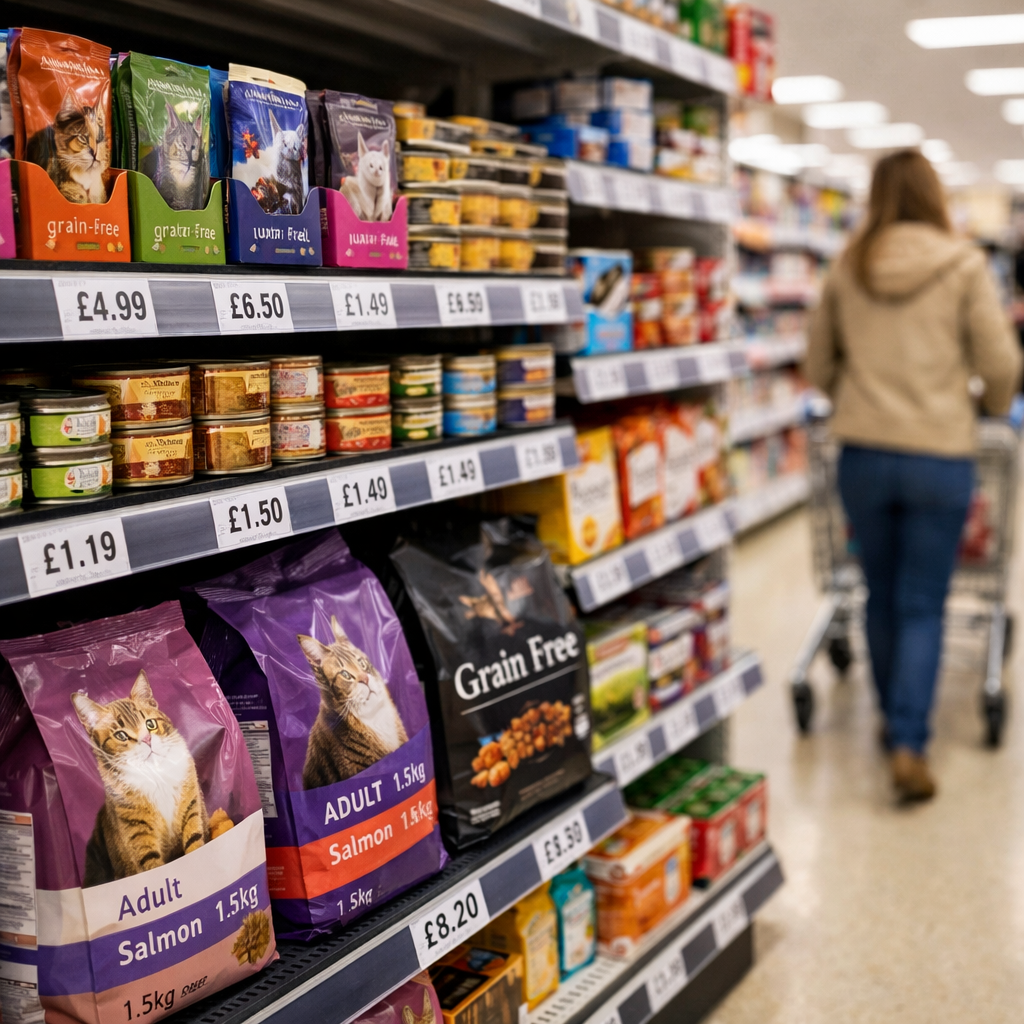
Top In-Store Premium Cat Food Brands at Major UK Supermarkets
Looking for premium cat food at UK supermarkets? Start with larger stores and pet aisles at Tesco, Sainsbury’s, Asda, Morrisons, and Waitrose; Aldi and Lidl stock fewer premium options but may carry select wet trays. Availability varies by store and region—check your local supermarket’s online stock before heading out. This guide spotlights the top in-store, premium-leaning brands and shows how to judge quality fast on the shelf. Watch for loyalty pricing (e.g., Clubcard, Nectar), multibuys, and “Low Price” or “Best Seller” shelf tags to stretch your budget without compromising nutrition.
Quick comparison of common in-store premium picks
| Brand | Type | Why it’s premium | Supermarket availability notes |
|---|---|---|---|
| Purina Pro Plan | Wet & dry | Vet-recommended, research-led formulas | Often in larger Tesco, Sainsbury’s, Asda, Morrisons, some Waitrose |
| Royal Canin | Wet & dry | Targeted life-stage and condition support | Larger supermarkets; sometimes in pharmacy-style aisles |
| Hill’s Science Diet | Wet & dry | Strong veterinary formulation heritage | Select larger Tesco/Sainsbury’s/Waitrose |
| Sheba | Wet | Freshness-forward trays; high palatability | Widely stocked across big four; frequent promos |
| Weruva | Wet | Ultra-high moisture, meat-focused recipes | Larger stores/specialty aisles; spotty by region |
| Tiki Cat | Wet | Meat-first, moisture-rich recipes for picky/senior needs | Occasional listings in bigger stores or specialist sections |
| Orijen | Dry & some wet | Animal-rich, high-protein dry; boutique wet | More likely in large-format or premium sections |
| Acana | Dry | High-protein, animal-first ingredients | Premium/specialist bays in larger stores |
| Lily’s Kitchen | Wet & dry | Clear UK labels; named meats | Common in Waitrose; select Tesco/Sainsbury’s |
| James Wellbeloved | Wet & dry | Gentle recipes; simple labels | Broad UK presence; wider dry availability |
Note: Ranges vary by postcode and store size; confirm local stock online.
Pet Food Ingredient Guide
Our framework is straightforward: moisture first, animal protein first, then transparent labeling—with awareness of carrageenan and other gums. Premium cat food means species-appropriate recipes anchored in moisture and named animal proteins, supported by clear labels and evidence-based formulation. “Premium” itself has no legal meaning; verify the AAFCO-style “complete and balanced” statement and on-pack analysis over marketing claims (see this practical overview from KwikPets’ cat food review). For deeper label help, explore our ingredient definitions at Pet Food Ingredient Guide. They’re designed to make in-aisle comparisons fast and clear.
Price alone doesn’t guarantee quality; research-backed formulas and expert oversight carry more weight, as emphasized in PetMD’s vet‑verified guide to the best cat foods.
Purina Pro Plan
Why it stands out: It’s frequently vet-recommended and backed by full-time veterinary nutritionists and robust R&D. Shop by your cat’s life stage (kitten/adult/senior) or need (weight, hairball, urinary), and verify the “complete and balanced cat food” statement for your cat’s stage. On shelves, Pro Plan often appears in larger Tesco, Sainsbury’s, Asda, Morrisons, and sometimes Waitrose—use aisle filters or signage like “Specialist Nutrition” to spot it fast.
Label tips:
- Confirm life-stage/condition fit and the AAFCO “complete and balanced” statement.
- Compare guaranteed analysis to prioritize higher animal protein.
- If feeding dry, pair with wet to support hydration.
Royal Canin
Royal Canin’s strength is precise, condition-specific and life-stage nutrition—one reason it regularly appears on vet-recommended lists (see PetMD’s vet‑verified guidance). If your cat needs support for sensitive stomach, urinary health, or senior maintenance, check these sub-lines first. Compare variants using the guaranteed analysis: protein and fat minimums; fiber and moisture maximums. You’ll often find Royal Canin in larger supermarkets or near pharmacy-style sections; ask staff if you don’t see specialty SKUs on the main pet aisle.
Hill’s Science Diet
Hill’s also features prominently in veterinary recommendations, thanks to its rigorous formulation standards. Match life stage and health need, and confirm the on-pack AAFCO statement for completeness. If you prefer Hill’s dry for its nutrient profile, consider stacking with Hill’s wet to maintain hydration—a simple way to approximate the best wet cat food UK shoppers seek while keeping a consistent brand palette.
Sheba
Sheba is a widely stocked wet option known for freshness and palatability. The Perfect Portions twin trays reduce waste and keep flavor high, and many pate-style recipes deliver appealing protein levels for fussy cats. When scanning labels, verify named meats top the ingredient list—water may appear first on wet foods—and avoid relying on vague “premium” terms (see ingredient-order guidance in Business Insider’s cat food guide). Use Sheba as a moisture-forward topper for mixed feeding, and practice portion control to manage cost per meal.
Weruva
Weruva is known for ultra-high-moisture, meat-forward pouches and cans, ideal when hydration is a priority. Independent testers highlight its “restaurant‑quality” textures and simple recipes; Weruva’s freeze-dried Paw Lickin’ Chicken lists a 66% minimum protein with roughly 112 calories per ounce—powerful nutrition but typically at a higher daily cost than supermarket cat food brands (see Cats.com’s best cat food roundup). If your cat is sensitive, scan for thickeners like guar gum and trial small packs first to gauge tolerance.
Tiki Cat
Tiki Cat earns high marks for meat-first, moisture-rich recipes that suit picky, senior, or metabolic needs—often praised by cats.com reviewers for clear labeling and protein-forward meals. One example often cited in roundups: KapiʻOlani Luau Tilapia sits around 20% protein, ~83 calories per can, and under 1% fiber—lean and hydrating for rotation diets (see these stats in StudyFinds’ brand compilation). In-store, prioritize cans and pouches with named meats and minimal fillers, and check the guaranteed analysis for moisture content.
Orijen
For high-protein dry food, Orijen is an animal-rich option built around meat, organs, and cartilage, with low carbohydrates by dry-food standards. Testers have also highlighted Orijen’s wet Original Entrée in Bone Broth Paté as a premium pick. Dry or wet, pair Orijen with moisture-rich foods to support hydration, and portion carefully—these recipes are calorie-dense. Transition slowly (7–10 days) to protect digestion.
Acana
Acana is another ingredient-forward, high-protein dry brand from the same parent company as Orijen. A label literacy example: Acana Grasslands lists deboned lamb, deboned duck, whole eggs, lamb meal, and catfish meal as its first five ingredients—an animal-first signal. Price varies by region, but a 15‑lb bag is often cited around $55–$65 in US guides (UK pricing differs; plan accordingly). See Why Cat Why’s cat food breakdown for ingredient context and price framing. If choosing dry first, keep moisture needs top-of-mind and add wet.
Lily’s Kitchen
A UK-familiar premium brand with clear labels and named meats, Lily’s Kitchen offers trays and tins that fit a moisture-first approach. You’ll frequently spot it in Waitrose and selected Tesco/Sainsbury’s. Cross-check the guaranteed analysis for protein and moisture targets, and consider mixed feeding to boost hydration. If your cat is additive-sensitive, scan for thickeners and choose simpler recipes.
James Wellbeloved
Known for gentle recipes, James Wellbeloved appears widely in UK aisles, especially in dry. Confirm the UK-equivalent “complete and balanced” claim on-pack, and make sure named animal proteins appear high in the ingredient list. If you opt for a dry variant, pair with a high-moisture wet food to optimize hydration and support urinary health.
What premium means in supermarkets
Premium cat food delivers species-appropriate nutrition anchored in moisture and animal protein, backed by transparent labels and evidence-based formulation. Marketing words like “premium” or “gourmet” have no legal definition—evaluate labels, the guaranteed analysis, and completeness statements instead (see KwikPets’ cat food review for a practical overview).
Quick-buy checklist:
- Look for an AAFCO “complete and balanced” statement for your cat’s life stage.
- Ingredients are listed by weight; choose foods with named animal proteins first (water may appear first on wet labels).
- Scan the guaranteed analysis: protein and fat minimums; fiber and moisture maximums.
How to choose on the shelf
- Confirm “complete and balanced” for your cat’s life stage.
- Check the first ingredients for named meats; ignore “premium” jargon.
- Compare the guaranteed analysis: prioritize higher animal protein, appropriate fat, and high moisture for wet foods.
When possible, mix feed: the best wet options are meat‑rich and moisture‑packed, while the best high‑protein dry cat food should be animal‑protein‑rich and lower in carbohydrates.
Moisture-first picks and carrageenan-free notes
Wet foods support hydration and align with feline carnivore needs. In supermarkets, moisture-forward brands like Weruva and Tiki Cat are strong anchors for cats needing extra fluids and palatable proteins.
Carrageenan is a seaweed-derived thickener used in some canned pet foods to improve texture. Some owners avoid it due to potential gastrointestinal tolerance issues. If your cat is sensitive, choose carrageenan-free cat food, read for gums/additives on the label, and trial small packs first. Note that some cats also react to gums like guar gum; monitor stools and adjust. Pet Food Ingredient Guide’s ingredient pages flag common thickeners so you can identify carrageenan-free options quickly.
Frequently asked questions
How do I verify a cat food is complete and balanced?
Look for an AAFCO “complete and balanced” statement on the label and confirm life-stage suitability. Pet Food Ingredient Guide’s label tips can help you check quickly.
Why is wet food prioritized for cats?
Wet food delivers moisture that supports hydration and urinary health while aligning with cats’ meat-forward needs. Pet Food Ingredient Guide prioritizes a moisture-first approach.
What should the first ingredients look like on a premium label?
Prioritize recipes listing named animal proteins at the top of the ingredient list; for wet foods, water may appear first. See Pet Food Ingredient Guide’s ingredient definitions for naming clarity.
How can I transition to a new premium food safely?
Transition over 7–10 days, gradually increasing the new food while reducing the old to minimize digestive upset. Pet Food Ingredient Guide recommends adjusting pace based on your cat’s stool quality and appetite.
Are grain-free or high-protein dry foods right for every cat?
Not always. Pet Food Ingredient Guide recommends careful portioning and pairing dry with wet to support hydration; consult your vet for medical needs.