Top Natural Lickable Cat Treats of 2026: Safe, Clean Options
Top Natural Lickable Cat Treats of 2026: Safe, Clean Options
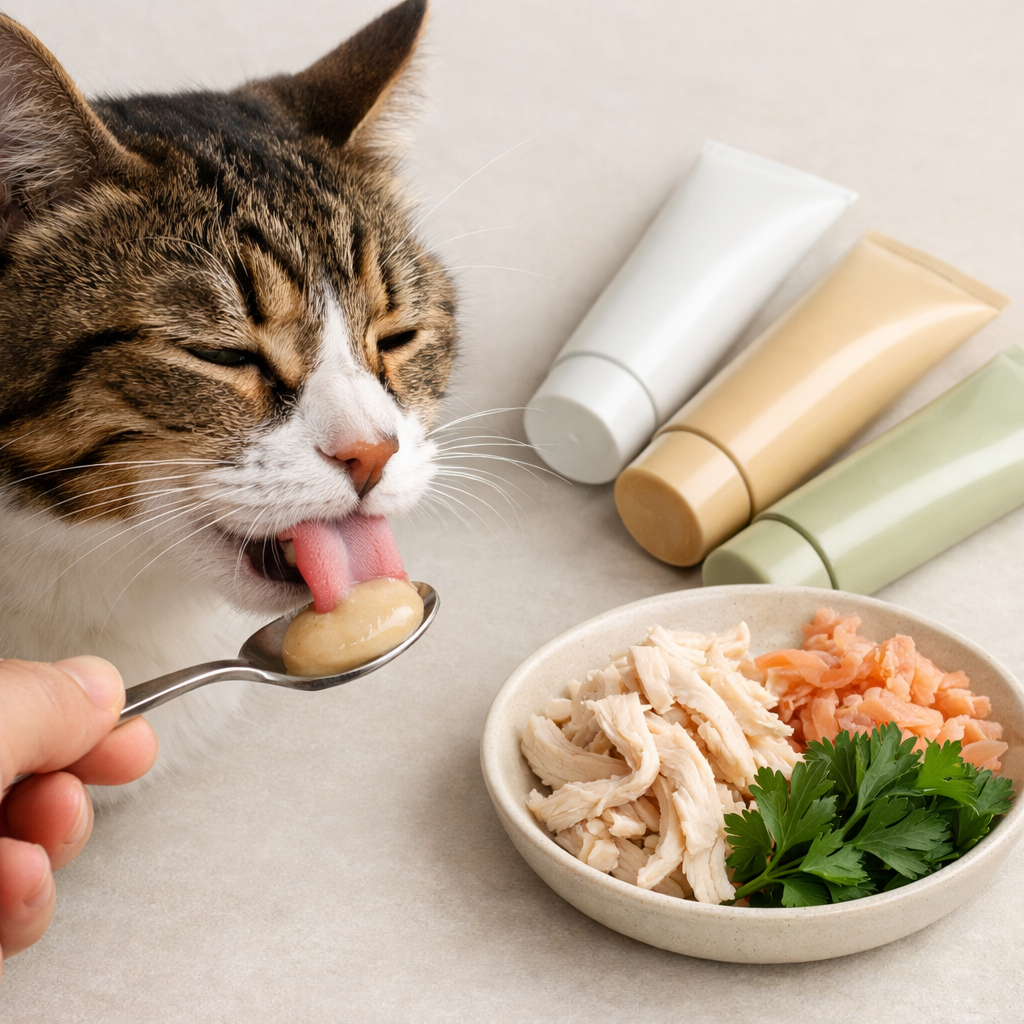
Lickable cat treats are soft, puree-style rewards in tubes, pouches, or trays designed for hand-feeding or topping meals; their high moisture makes them useful for hydration and picky eaters, according to expert roundups of cat treats. These natural lickable treats for cats can be simple, low-calorie cat treats that support enrichment, training, and mealtime success—without piling on additives. Below, we highlight clean cat treats and high-moisture cat treats, plus meal toppers for cats and single-ingredient cat treats you can use confidently.
Pet Food Ingredient Guide
Our mission is evidence-based and ingredient-focused: we help you choose safe, simple treats and use them correctly. We emphasize ingredient transparency, hydration know-how, practical portioning, and clear veterinary triggers. This guide spotlights “natural” lickable or near-lickable options with minimal additives, named proteins, and low calories, with how to portion and introduce gradually. As a guardrail, follow vet-verified advice that treats stay at or under 10% of your cat’s daily calories; with about 61% of pet cats overweight or obese, keeping calories tight matters. We closely read labels for named proteins, sodium, and calories so you can make clear, confident choices.
INABA Churu
INABA Churu is a benchmark for palatability and hydration. Many cats find the silky texture irresistible, and some varieties deliver under 2 calories per tube-sized serving with a long shelf life—useful for weight control and convenience. Common use cases include bonding sessions, enticing picky eaters as a topper, and even pill-hiding: a thin coat of puree can disguise medications when advised by your vet.
Safety tips:
- Choose recipes with clearly named proteins.
- Check the sodium line and avoid overuse if your cat eats high-sodium foods elsewhere.
- Keep within the 10% rule; for weight-prone cats, split one tube across multiple micro-sessions.
Fancy Feast Appetizers
These tray-style toppers are convenient, portion-controlled meal enhancers for hesitant eaters. The single-serve trays lower waste and are easy to store. Opt for flavors with named proteins and minimal additives; many formulas have a moisture-forward texture that can outperform tubes for texture-sensitive cats. To use, flake a small amount over wet or dry meals to boost aroma and acceptance, staying within daily treat-calorie limits.
Sheba Perfect Portions
Single-serve pouches and trays shine as low-waste toppers that frequently feature simple ingredient lists. They fit “portion-smart” routines: offer a small standalone taste or mix a spoonful into meals. Prioritize recipes listing real meat first, avoid artificial colors, and monitor sodium if rotating variety packs daily. Gravy-forward and lickable textures can help with hydration and picky eating.
Quick compare (calories vary by recipe—always check labels):
| Option | Approx calories per small serving | Moisture form | Ingredient style |
|---|---|---|---|
| INABA Churu tube | ~2 kcal (select flavors) | Puree | Named meat + water; simple stabilizers |
| Fancy Feast Appetizers tray | Small, portion-controlled | Broth/gravy with flakes | Named proteins; minimal additives |
| Sheba Perfect Portions | Small, portion-controlled | Gravy/paté | Meat-first; short list |
| PureBites (crumbled) | Few calories per pinch | Dry topper | Single-ingredient |
| Homemade low-sodium broth | Negligible per tbsp | Broth | Single-ingredient |
| Bonito/fish flakes | Low per pinch | Dry flakes | Single-ingredient fish |
PureBites
For cats with food sensitivities, PureBites freeze-dried chicken breast is a clean, single-ingredient option recognized in independent treat roundups. Freeze-drying removes moisture under vacuum after freezing, preserving flavor and nutrients while creating a light, shelf-stable texture; the concentrated taste makes a high-value reward for training or special reinforcement. Practical use: crumble a pinch over meals as a dry topper when wet lickables aren’t desired—still tracking calories within your 10% cap.
Homemade low sodium broth or tuna water
DIY broth or tuna water gives you full control over ingredients and sodium. It’s simply the liquid from simmering plain meat (or straining tuna-in-water, not brine) with no onion, garlic, or added salt. The result adds moisture and palatability without preservatives; use sparingly alongside a balanced diet.
How-to:
- Simmer plain chicken in water 45–60 minutes; no onion/garlic/salt.
- Cool, skim fat, strain; refrigerate up to 3 days or freeze in ice-cube portions.
- Use 1–2 tbsp over meals; log calories against the 10% rule.
- Ask your vet before routine use if your cat has kidney, heart, or sodium-sensitive conditions.
Single ingredient bonito or fish flakes
Bonito flakes—dehydrated skipjack tuna—are famously enticing for picky cats and appear on several best-of lists. Business Insider also highlights Cat-Man-Doo Extra Large Dried Bonito Flakes as a top pick and notes the meat is heated before freeze-drying in an FDA-inspected facility. Use a light sprinkle to boost aroma, store airtight, and avoid large daily portions due to sodium. For sensitive cats, single-ingredient fish toppers can be a clean, intermittent reward; rotate proteins to avoid fixation on fish.
How we selected these natural lickable treats
We focused on:
- Minimal additives and short labels.
- Named proteins first.
- Low calories (~2–3 kcal per small serving when possible) to respect the 10% rule.
- Hydration value through puree, gravy, or broth forms.
- Transparent sourcing and consistent brand practices.
We validated real-world use cases: lickables can support hydration, topping, and pill-giving; tubes are particularly helpful for medication disguise when your vet approves. Given most pet cats struggle with weight, we prioritized lower-calorie, portion-smart options. At Pet Food Ingredient Guide, this reflects our emphasis on clear labels, calorie awareness, and practical use.
What to look for in a natural lickable treat
Use this quick checklist online or in-store:
| Label item | What to seek | Why it helps |
|---|---|---|
| Named protein first | “Chicken,” “tuna,” “salmon,” not vague “meat by-products” | Improves traceability and allergy management |
| Calories per serving | ~2–3 kcal for small portions; confirm serving size | Supports weight control within the 10% rule |
| Sodium statement | “No added salt” or “low sodium” preferred | Reduces thirst risk; safer for sensitive cats |
| Additives (gums/colors) | Short lists; avoid artificial colors/sweeteners | Keeps recipes clean and digestible |
| Moisture style | Puree, gravy, or broth | Drives hydration and palatability |
Ingredient simplicity and named proteins
Short labels reduce risk and help pinpoint sensitivities. Choose single-ingredient or short-list recipes that list meat first; many freeze-dried options are single-ingredient and work well for sensitive cats. Rotate among named proteins to monitor tolerance and avoid overreliance on fish. Quick scan: the top three ingredients should be animal protein and water; avoid artificial colors.
Moisture, calories, and sodium
High-moisture treats can nudge hydration, especially for cats reluctant to drink. For weight management, small, low-calorie portions (around 2 calories when available) are ideal; some Churu varieties meet that benchmark. Keep treats at or under 10% of daily calories. Prefer low-sodium options and limit salty fish toppers to occasional use.
Additives to avoid
Skip artificial colors, unnecessary sweeteners, and heavy flavor enhancers. If your cat eats a complete, balanced diet, extra vitamin/mineral premixes in treats aren’t needed. Where texture gums (guar, xanthan) appear, keep the overall ingredient list short and protein-forward. Context: dental treats may help with plaque and tartar but never replace brushing.
Sourcing transparency and recalls
Choose brands that disclose ingredient sourcing, processing methods, and quality checks; for example, some fish-flake makers heat meat before freeze-drying in FDA-inspected facilities. Check recall histories on brand sites and regulatory databases, and favor products with clear batch codes and contact info. Transparency means verifiable details on ingredients, origin, manufacturing, and safety testing so you can act quickly if issues arise.
Smart ways to use lickable treats
A simple usage flow we recommend:
- Choose a low-calorie, named-protein option.
- Portion a micro-serve.
- Observe stool and appetite for 48–72 hours.
- Adjust frequency and log calories against your 10% cap.
- Use tubes for precise control and less mess.
Hydration and meal topping
Lickable treats can support hydration and help reluctant eaters when used as toppers. Smear a teaspoon on a plate to slow licking, or mix 1–2 teaspoons into wet food to boost aroma. Broaden hydration by adding small amounts of water to meals and offering multiple fresh-water stations.
Training, bonding, and pill giving
Training treats should be tiny, enticing, quick to eat, and low in calories. Tubes also help with medication: use just enough puree to coat a pill or form a small “meatball,” as advised by your veterinarian. For bonding, hand-feed a few licks and end sessions while interest is high to keep treats special.
Portion control and gradual introduction
Reiterate the basics: treats ≤10% of daily calories, and favor low-cal options for weight-prone cats. Mini protocol: Days 1–2 offer 1 teaspoon; monitor stool/appetite. Days 3–5 increase to 2 teaspoons if tolerated; then set a weekly cap aligned to calories. Split one tube across 2–3 sessions; refrigerate leftovers per label and discard after 48 hours.
Safety notes and when to call your veterinarian
Consult your vet before routine treat use for kittens, seniors, overweight cats, or pets with kidney, GI, or food-allergy histories; keep additives minimal and calories low. Stop and call your vet if you see vomiting, diarrhea, decreased appetite, itchiness/hives, or excessive thirst/urination after a new treat. Dental-specific treats can complement care—look for the VOHC seal indicating plaque/tartar control—but they are not a substitute for brushing.
Frequently asked questions
How often can I give my cat lickable treats?
Keep treats to ≤10% of your cat’s daily calories and use small portions, ideally splitting one tube across multiple sessions. Pet Food Ingredient Guide encourages portion logging to stay within your cap.
Are lickable treats good for hydration?
Yes. Their high moisture can support hydration and help entice picky eaters, especially when used as a topper with regular meals.
What counts as a natural ingredient list?
Short labels with named meats first, simple stabilizers at most, and no artificial colors or sweeteners generally fit a “natural” profile. That’s the label pattern Pet Food Ingredient Guide prioritizes.
Can kittens, seniors, or cats with health issues have lickable treats?
They can, but ask your veterinarian first and start with tiny portions, choosing low-calorie, simple-ingredient recipes.
How do I transition to a new lickable treat safely?
Start with 1 teaspoon, monitor stool and appetite for 48–72 hours, and increase slowly only if tolerated while staying under your daily calorie cap.