Top Single-Ingredient Cat Treats for Picky Eaters with Sensitivities
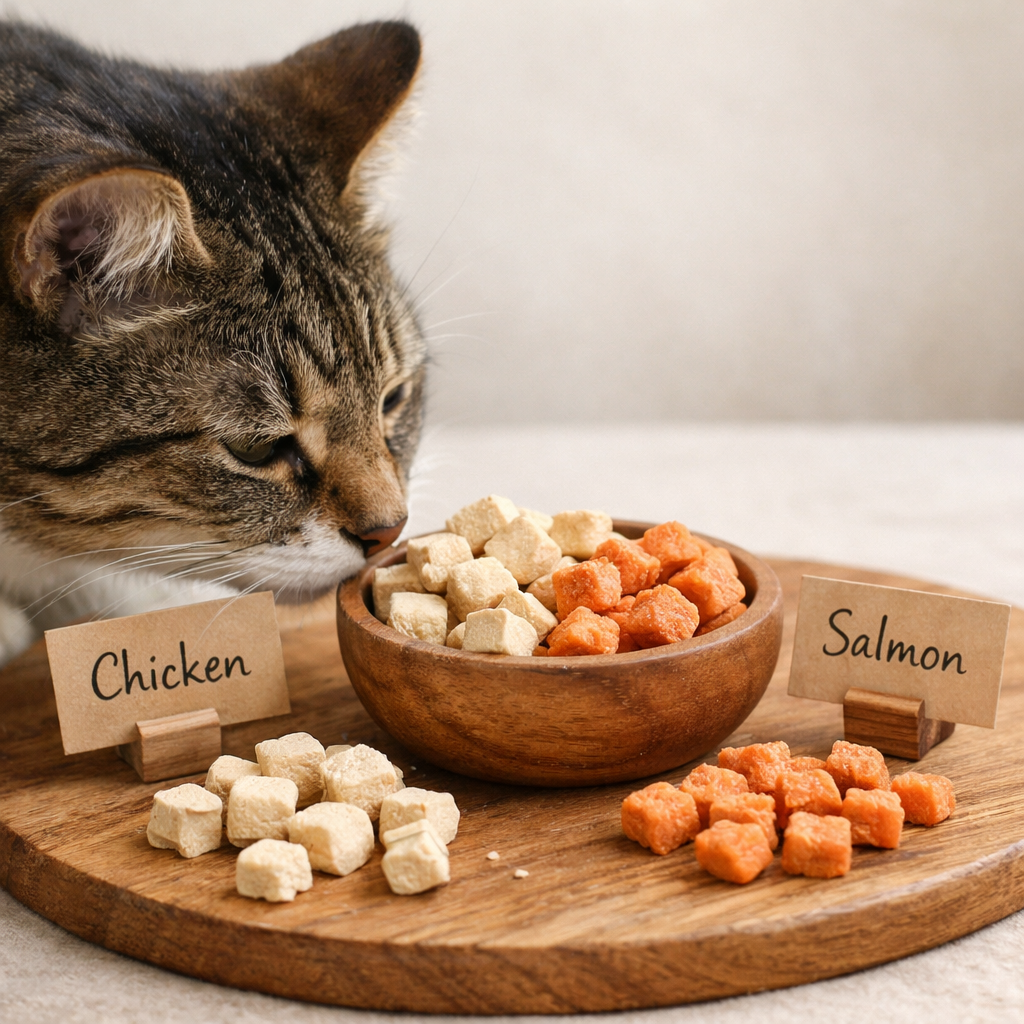
Top Single-Ingredient Cat Treats for Picky Eaters with Sensitivities
Finding the best natural treats for picky cats with food sensitivities starts with simplicity: one clearly named animal protein, no fillers, and clean labels. Single-ingredient cat treats fit that bill—great for finicky appetites and easier on sensitive stomachs and skin. A single-ingredient cat treat contains just one named ingredient (usually an animal protein) with no fillers, grains, gums, or artificial additives. This simplicity limits exposure to potential allergens, improves label clarity, and supports picky or sensitive cats who respond better to identifiable proteins, as noted in a single-ingredient cat treats overview from iHeartCats. For overall balance, keep treats under 10% of daily calories, a common veterinary-style guideline echoed in treat calorie guidelines from Business Insider.
Quick comparison of reader-favorite options
| Treat | Protein source | Texture | Calories/pc | Pros | Cons | Best for |
|---|---|---|---|---|---|---|
| Vital Essentials Freeze-Dried Minnows | Whole minnows (fish) | Crunchy, airy | ~1–2 kcal/piece | Single-ingredient, high-value aroma | Strong smell; variable piece size | Training, toppers for picky eaters |
| PureBites Freeze-Dried Chicken Breast | Chicken breast | Crunchy/crumbly | ~1–2 kcal/piece | Simple protein, low fat | Crumbles easily; mild aroma | Sensitive cats, everyday rewards |
| Cat-Man-Doo Bonito Flakes | Skipjack (bonito) | Paper-thin flakes | Very low per pinch | Intense aroma, omega-rich | Dusty/crumble potential | Toppers, appetite stimulation |
| A Better Treat Freeze-Dried Salmon | Salmon | Crunchy | Small pieces, higher fat | Omega fatty acids; palatable | Richer; serve sparingly | Flavor-driven picky cats |
| Just One by Whole Life (Chicken) | Chicken breast | Crunchy | ≈176 kcal/oz; pieces ~1–2 kcal | Human-grade, clear GA and kcal | Premium price | Rotation protein, training/topper |
| KittyUp Functional Puree Treat | Animal-protein puree | Soft, lickable | Varies by pouch | Hydrating; easy to eat; taurine added | Portion control needed | Seniors, dental issues, pill masking |
Notes: Many freeze-dried treats land around 1–2 calories per piece per a freeze-dried cat treats guide by The Spruce Pets (helpful for training and portion control).
Pet Food Ingredient Guide
Our picks are independent and ingredient-first. We prioritize identifiable animal proteins, moisture-forward formats, and clear labels before marketing claims. We recommend carrageenan-free treats and toppers whenever feasible, and we screen out vague by-products, artificial colors/flavors, and added sugars.
Carrageenan is a red-seaweed-derived thickener used to gel or stabilize textures. It’s been debated due to gastrointestinal concerns in animal models, so we prefer carrageenan-free treats and toppers whenever feasible for sensitive cats. Treats should make up less than 10% of your cat’s daily calories; this “10% rule” is a common, vet-aligned guideline referenced in treat calorie guidelines from Business Insider.
Vital Essentials Freeze-Dried Minnows
Vital Essentials’ single-ingredient fish treats—specifically the minnows—offer a raw, additive-free option that cats often find irresistible, as highlighted among Vital Essentials single-ingredient fish treats on Dr. Judy Morgan’s site. Freeze-drying preserves nutrients and creates a light, crunchy texture; many pieces are about 1–2 calories, making them easy to portion for training, according to The Spruce Pets. Use whole as high-value rewards, crumble as a topper, or rehydrate for extra moisture. Potential downsides include a strong fish smell and uneven piece sizes—common to freeze-dried products.
PureBites Freeze-Dried Chicken Breast
PureBites Chicken features only chicken breast—a straightforward, grain-free, single-ingredient choice frequently recommended in roundups like The Spruce Pets’ freeze-dried cat treats guide. It’s a lean, high-protein staple with low calories per piece.
What does freeze-dried mean? Freeze-drying removes water under low temperature and vacuum, preserving nutrients, flavor, and structure without heat. The result is a lightweight, shelf-stable treat that rehydrates quickly and often delivers a crunchy texture many cats find enticing. Serving tips: break larger chunks to right-size bites, sprinkle over meals to entice eating, and keep portions under the 10% daily calorie cap.
Cat-Man-Doo Bonito Flakes
Bonito flakes are dehydrated pieces of skipjack fish, sold as a single-ingredient, paper-thin flake. Their strong aroma makes them especially enticing to picky cats and useful as food toppers or stand-alone light treats, as explained in a best cat treats review from Cats.com. They’re naturally low-calorie by the pinch and provide marine omega fats, which can help as appetite stimulants. Expect some crumbling and a bit of mess, but flakes are cost-effective by sprinkle.
Use-cases:
- Topper for wet food to boost aroma and initial licks
- Mix into warm water to create a scented drizzle
- Reserve a small pinch for training jackpots
A Better Treat Freeze-Dried Salmon
Salmon brings big flavor and omega fatty acids that can entice picky cats and support rotation feeding for variety. Limited-ingredient treat advice from Catster notes the value of simple, single-protein formulas for sensitivities—salmon fits well if your cat tolerates fish. Because salmon is richer than chicken or minnow, keep portions small and watch stool/skin as you introduce new fish proteins. Count the calories toward the 10% rule and adjust meals if treat use goes up.
Just One by Whole Life
Just One Chicken is human-grade, USDA-approved chicken breast that’s freeze-dried with clear labeling and robust protein. Whole Life lists a guaranteed analysis of about 90% protein (min) and 7% fat (min), with a calorie density of approximately 6,200 kcal/kg (176 kcal/oz) on the Whole Life Just One Chicken page. Multiple bag sizes suit different households. Use as a rotation protein; cut or crumble for training and toppers. Transparent sourcing and single-ingredient simplicity make it a benchmark pick.
Remy’s Kitchen Single-Ingredient Line
Remy’s Kitchen offers premium, minimally processed single-ingredient freeze-dried treats designed to avoid fillers and additives—well-suited to sensitive cats, per Remy’s Kitchen treat picks. Compare proteins (chicken, turkey, fish) and textures to match your cat’s preferences. Start with a small test portion and monitor stool and skin on first exposures; scale up only if tolerated.
KittyUp Functional Puree Treat
KittyUp’s lickable, soft puree treats are easy to lap, deliver moisture, and include taurine—useful for seniors, cats with dental issues, hydration support, or pill masking, as discussed in Cats.com’s best cat treats review. A lickable cat treat is a soft, puree-style snack squeezed from a tube or pouch. It delivers strong aroma, easy consumption for dental-compromised cats, and additional moisture. Some products add taurine or functional nutrients. Note that most lickable treats are not strictly single-ingredient; choose short, clearly labeled formulas and avoid carrageenan when feasible. Serve in small amounts to control calories. Use as a thin topper streak on wet food or as a high-value reward, still under the 10% calorie cap.
How we evaluate single-ingredient treats
We apply criteria built around species-appropriate nutrition, moisture, and label literacy. These are the same criteria we use across Pet Food Ingredient Guide. We verify single-ingredient status, confirm a named animal protein, and screen out problematic additives. Single-ingredient treats can reduce exposure to potential allergens and simplify detective work, a key benefit noted in a single-ingredient cat treats overview from iHeartCats.
Checklist we use
| Criterion | What we look for |
|---|---|
| Single-ingredient verification | One named animal protein, no grains/gums/fillers |
| Protein clarity | Species and cut named (e.g., “chicken breast”) |
| Moisture format | Moisture-forward when possible; rehydration-friendly freeze-dried |
| Additives | No carrageenan, artificial colors/flavors, added sugars |
| Calories | Clear kcal info; easy to keep under 10% of daily intake |
| Sourcing transparency | Human-grade/USDA claims where verified; consistent batch labeling |
| Value | Cost per serving, not just per ounce; minimal waste/crumbs |
Ingredient clarity and sourcing
Start with one named animal protein and avoid fillers and grains to reduce allergy risk, consistent with single-ingredient guidance from iHeartCats. Verify human-grade or USDA sourcing when brands provide it (as Whole Life does), and look for a posted guaranteed analysis (GA) plus kcal data to portion precisely. Brands that maintain detailed product pages and lot/batch transparency get preference.
Species-appropriate protein and moisture
Cats are obligate carnivores; high animal protein with minimal carbohydrates supports their physiology and picky appetites. A lean, high-protein GA might look like protein ~74%, fat ~3%, moisture ~5% on a dry treat listing, as seen in examples reviewed by Cats.com. Freeze-dried formats retain nutrients and structure many cats enjoy; rehydrate to add moisture or soften texture. Fish flakes make excellent moisture-friendly toppers over wet food to kick-start eating.
Additive red flags and carrageenan-free stance
Red flags on labels include carrageenan, artificial colors/flavors, vague “meat by-products,” and added sugars. An additive is a non-nutritive or functional substance (e.g., color, flavor, thickener, preservative) included to alter taste, appearance, or shelf life. While many are safe, sensitive cats often do better without unnecessary additives to minimize GI or skin reactions. We favor single-ingredient, minimally processed products and avoid carrageenan.
Texture, aroma, and palatability for picky eaters
- Freeze-dried pieces: crunchy/chewy, high-protein, often 1–2 calories per bite (per The Spruce Pets), easy to portion.
- Bonito/fish flakes: intensely aromatic, ultra-light, low-calorie toppers; can crumble and be messy (as seen in Cats.com reviews and calorie-focused buyer guides).
- Lickable purees: soft, hydrating, and some include taurine—excellent for seniors and dental issues.
Common tradeoffs include fragile pieces, variable sizes, a strong fish smell, and higher per-ounce cost. Try smaller bags first to gauge acceptance.
Cost per serving and calorie awareness
Compare cost per serving, not just per ounce—flakes can run around $6/oz yet stay budget-friendly by the sprinkle, a point echoed in treat buyer guides such as Business Insider’s. Use calories-per-piece when available and uphold the 10% rule.
Example for a 200-kcal/day cat:
- Treat budget: ≤20 kcal/day
- Freeze-dried pieces at ~1 kcal: up to ~20 pieces
- Freeze-dried pieces at ~2 kcal: up to ~10 pieces Adjust meal portions if you exceed the usual treat budget on training days.
How to choose the right treat for your cat
Use this simple flow to reduce trial-and-error:
- Pick one protein and verify single-ingredient status.
- Test a small amount and observe for 48–72 hours.
- Adjust texture (crunchy, flakes, or lickable) to match preference and oral comfort. Rotate proteins only after tolerance is established, and keep a quick diary noting protein, brand, portion, and your cat’s response.
Start with one protein and monitor tolerance
Begin with a single protein to reduce allergen exposure and make it easier to identify triggers, a core advantage of single-ingredient treats described by iHeartCats. Offer a small test amount, then watch for stool changes, vomiting, or itchiness over 48–72 hours before increasing. Note the brand, batch, and serving size.
Match texture to chewing ability and preferences
Quick chooser:
- Crunch/crumble lovers: freeze-dried chicken or minnows for high-value bites (commonly ~1–2 kcal each).
- Aroma-driven picky cats: bonito flakes as toppers.
- Dental or senior needs: lickable purees with taurine. You can also rehydrate freeze-dried pieces or crumble them to adjust texture and aroma.
Portion control and the 10 percent rule
Keep treats under 10% of daily calories—for a 200-kcal/day cat, that’s ≤20 kcal from treats. Many freeze-dried pieces are ~1–2 calories (per The Spruce Pets), which makes precise portioning straightforward. Measure rather than free-feed and trim meal calories on heavy treat days.
Frequently asked questions
Are single-ingredient treats better for sensitive cats?
Yes. With one identifiable protein and no fillers, single-ingredient treats reduce exposure to potential allergens and make it easier to spot triggers; that’s the standard we apply at Pet Food Ingredient Guide.
How many treats can I give without unbalancing the diet?
Keep treats under 10% of your cat’s daily calories. We use this 10% rule throughout Pet Food Ingredient Guide to help keep diets balanced.
Which texture works best for picky cats?
It depends on preference and dental comfort—freeze-dried pieces are crunchy and high-protein, fish flakes are intensely aromatic for toppers, and lickable purees suit seniors or cats who prefer soft textures. Pet Food Ingredient Guide suggests matching texture to your cat’s chewing comfort first.
Do fish-based treats increase mercury or smell concerns?
Use small portions and rotate proteins; this minimizes risk while leveraging fish’s strong aroma to entice eating. Pet Food Ingredient Guide also recommends sealing pouches tightly to manage odor.
Can I use these treats as meal toppers or for training?
Yes. Crumble freeze-dried bites or sprinkle flakes over meals to entice eating, or use small pieces for training—just count the calories toward the 10% limit; that’s how we typically use them in our guides.