Top Single-Ingredient Natural Freeze-Dried Cat Treats for Sensitivities
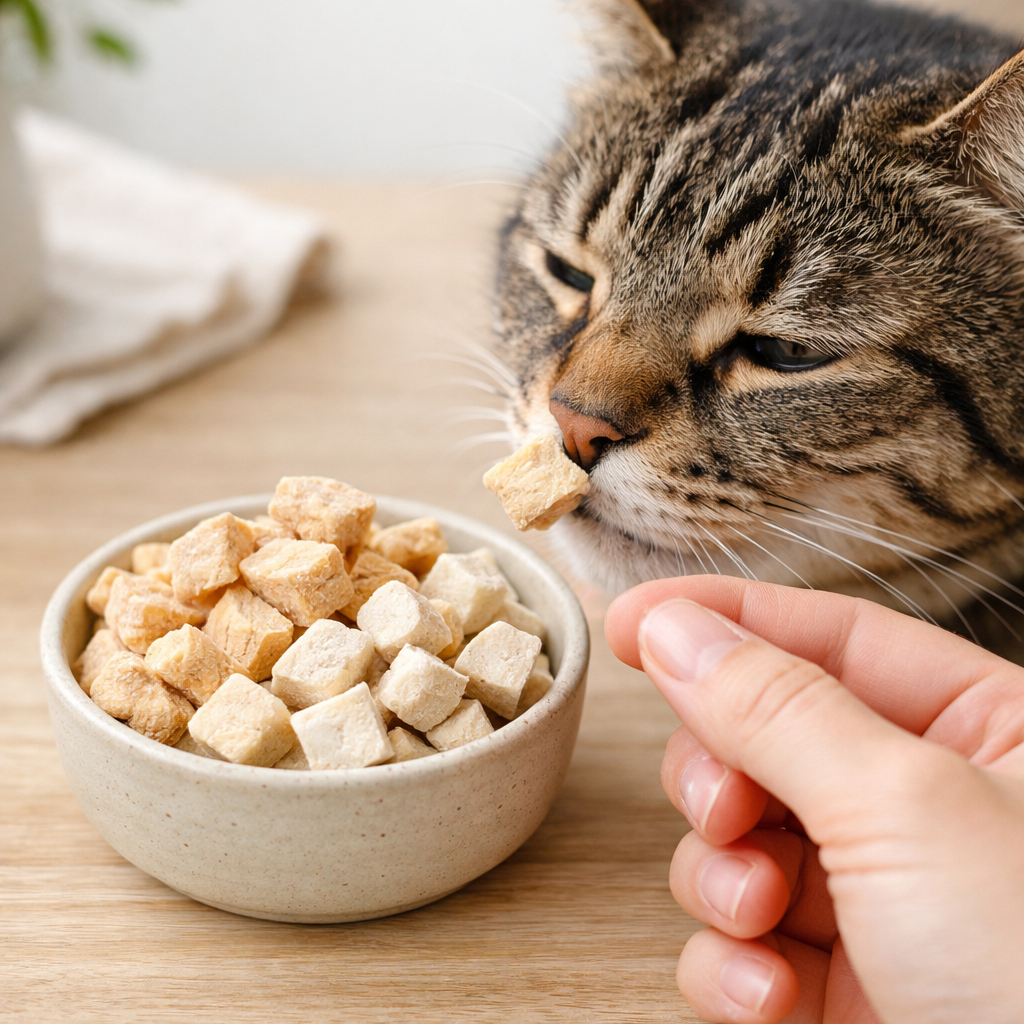
Top Single-Ingredient Natural Freeze-Dried Cat Treats for Sensitivities
Sensitive-stomach or allergy-prone cats do best with simple, predictable rewards. This guide spotlights freeze dried natural cat treats made from a single ingredient—clean, high-protein options that minimize allergen exposure while staying tasty and low effort to use. You’ll find label-first mini reviews, a repeatable evaluation checklist, and portion math so you can fit low-calorie cat treats into your routine without derailing nutrition—aligned with the Pet Food Ingredient Guide method. If your cat already tolerates a particular protein (chicken, salmon, or minnows), start there; if you’re unsure, introduce one new treat at a time and track results. Below, we explain how freeze-drying preserves nutrients and flavor while limiting additives, then show exactly how to choose, portion, rehydrate, and monitor treats for sensitive cats.
Pet Food Ingredient Guide
Our approach is simple and practical: decode the label first, do the calorie math, then introduce gradually with structured check-ins. We prioritize single-ingredient cat treats with transparent sourcing and no unnecessary additives. After selection, we calculate safe treat portions, then run a 7–14 day transition, logging stool, skin, weight, and behavior weekly. We don’t chase hype or “best-of” superlatives—our picks reflect clear criteria you can reuse across any brand. This consistent framework makes decisions repeatable and transparent.
Why single-ingredient freeze-dried treats help sensitive cats
Freeze-dried treats are made by freezing food and removing moisture under vacuum, which helps preserve protein, aroma, and many heat-sensitive nutrients while improving shelf stability (see this plain-English explanation from Business Insider’s best cat treats guide). Freeze-drying also reduces the need for binders or preservatives.
For sensitive cats, single-ingredient and filler-free treats limit the number of potential triggers, making it easier to isolate what works (noted by NBC Select and other vet-reviewed roundups). Many options are naturally low-calorie per piece—for example, PureBites chicken lists under 2 calories per treat, which helps with frequent training without overshooting daily calories (as covered by The Spruce Pets). Texture flexibility also helps: softer freeze-dried crumbles or lickable purees can be easier for dental-sensitive seniors (summarized by Cats.com’s treat guide).
Trade-offs exist. Freeze-dried products often cost more per calorie and can produce some “treat dust” when pieces break. Some puree-style or value products may add plant thickeners or flavorings—less ideal for strict limited-ingredient treats—so label reading remains essential (see Cats.com for texture and ingredient caveats). That’s why Pet Food Ingredient Guide consistently favors single-ingredient, additive-free formulas for sensitive cats.
How we evaluate treats for sensitivities
Use Pet Food Ingredient Guide’s quick rubric any time you compare options:
- Ingredient panel: Choose a single animal protein with no fillers, flavors, colors, or preservatives to narrow the allergen scope.
- Calorie control: Keep treats ≤10% of daily calories; low-calorie choices support training without weight creep (per PetMD’s veterinarian guidance).
- Processing and safety: Favor minimal processing, reputable facilities, and slow freeze-drying that helps preserve nutrients.
Single-ingredient treat means the ingredient list contains only one component—such as “100% chicken breast” or “minnow”—with no added flavors, binders, or preservatives. This clarity helps identify or avoid triggers in sensitive cats.
Comparison snapshot
| Product | Ingredient(s) | Calories per piece | Additives? | Processing notes | Ideal use |
|---|---|---|---|---|---|
| Vital Essentials Freeze-Dried Minnows | 100% minnow | Not listed; portion by pieces | No | Single-ingredient, freeze-dried whole fish | High-palatability reward; crumble as topper |
| PureBites Freeze-Dried Chicken Breast | 100% chicken breast | Under 2 kcal | No | Single-ingredient, freeze-dried | Training, topper, med-hiding |
| Cat-Man-Doo Life Essentials Salmon Crunchies | 100% salmon (flake/chunk) | Not listed; easy to micro-portion | No | Heated then freeze-dried; FDA-inspected facility (per Business Insider) | Aromatic topper; tiny “calorie pulses” |
| Paw-cipes Freeze-Dried Chicken Liver | 100% chicken liver | Not listed; rich—use sparingly | No | Slow freeze-dry reported at 24–30 hours | High-value training; rehydrate for softness |
| Remy’s Kitchen single-ingredient treats | Single proteins (varies) | Varies by protein | No | Freeze-dried; clean label line | Bonding, training, limited-ingredient rewards |
1. Vital Essentials Freeze-Dried Minnows
These are true single-ingredient treats—just minnows—making them a straightforward option for sensitive cats that tolerate fish. NBC Select highlights the brand’s additive-free approach and freshness practices that appeal to picky eaters. Whole fish can be offered intact for enrichment or crumbled over meals as a high-value topper. As with any fish protein, monitor for individual sensitivities, and expect some crumbling “dust” from freeze-dried pieces.
2. PureBites Freeze-Dried Chicken Breast
If your cat does well with chicken, these single-protein treats are practical for frequent training. The Spruce Pets reports they’re under 2 calories per treat, helping you stay within the ≤10% calorie rule during practice sessions. They crumble easily for med-hiding or tiny rewards. Texture preferences vary; add a few drops of warm water to rehydrate for seniors or cats with dental discomfort.
3. Cat-Man-Doo Life Essentials Salmon Crunchies
This omega-rich, single-ingredient salmon option is widely praised for aroma and palatability. Business Insider notes the brand applies heating before freeze-drying and uses FDA-inspected facilities, supporting safety and consistency. The flake format shines for toppers and micro-portioning—ideal for sensitive cats needing small, controllable calorie “pulses.” Keep fish allergies in mind when planning elimination diets.
4. Paw-cipes Freeze-Dried Chicken Liver
For chicken-tolerant cats, liver offers a nutrient-dense, high-value reward. Nourish by Pet Universe describes human-grade chicken liver with no preservatives and a slow 24–30 hour freeze-dry process aimed at nutrient preservation. Because organs are rich, use smaller pieces and rehydrate lightly to soften texture and reduce crumbling for seniors.
5. Remy’s Kitchen single-ingredient treats
Remy’s Kitchen focuses on clean-label, filler-free, single-protein treats. The brand explains that freeze-drying helps retain nutrients and protein while typically costing more than conventional treats—helpful context when budgeting for limited-ingredient treats. Start with the same protein your cat already thrives on in their main diet to lower reaction risk.
6. Other single-ingredient fish or chicken options
Comparable products routinely recommended in expert roundups include single-ingredient fish like minnows and single-ingredient chicken breast treats—simple, vet-approved directions for sensitive cats that require label clarity and minimal additives. Use the Pet Food Ingredient Guide checklist above to vet any comparable product.
Quick buyer’s checklist
- One clear animal protein; no added flavors, colors, or fillers.
- Calorie info per treat or per gram; select low-calorie options to stay under the ≤10% treat calories/day cap.
- Texture that fits your cat: whole pieces for crunch, crumble/flake for toppers, or rehydrate cat treats if chewing is hard.
How to introduce new treats safely
Go slow over 7–14 days and observe—this mirrors Pet Food Ingredient Guide’s transition protocol.
- Days 1–2: Offer a pea-sized amount once daily; watch stool and skin.
- Days 3–5: If normal, increase to 1–2 small pieces/day.
- Days 6–14: Use as intended (training/topper), staying under calorie limits. Stop if signs appear.
If your cat has dental sensitivity, try crumbles or add warm water to soften. Smooth purees can also help when chewing is uncomfortable. Red flags: vomiting, diarrhea, itchy skin/ears, face rubbing. Call your vet if symptoms persist or are severe.
Portion control and calorie math for treats
Veterinary guidance from PetMD recommends keeping treats at or below 10% of daily calories and flags that about 61% of cats are overweight or obese—so every calorie counts. Example: If your cat eats 200 kcal/day, treats should total ≤20 kcal/day. With ~2 kcal treats, that’s about 10 small pieces spread out; taper lower if weight climbs or activity drops. Favor low-calorie treats for training and log weekly body weight/BCS to adjust. Pet Food Ingredient Guide always runs the calorie math first to keep treats within budget.
Monitoring your cat’s response
Do weekly check-ins and write them down:
- Stools: consistency and frequency versus baseline.
- Skin/coat: itching, redness, dandruff, or ear debris.
- Body weight/shape: subtle gain or loss; appetite and behavior.
If changes occur within 24–72 hours of a new treat, pause and reassess. For seniors, rehydrate or switch to smoother textures. If calories begin to exceed 10% or weight trends upward, choose lower-calorie treats, break pieces smaller, or reallocate from meal calories. This mirrors our structured, label-first check-in routine.
Frequently asked questions
What makes a treat single-ingredient and natural?
At Pet Food Ingredient Guide, it means one whole food, like 100% chicken or minnow, with no artificial flavors, colors, or preservatives. This simplicity narrows allergens and makes label reading straightforward.
Are freeze-dried treats safe for sensitive or allergic cats?
Often yes, because they limit ingredients and preserve nutrients without common additives. Pet Food Ingredient Guide recommends introducing one protein at a time and matching it to what your cat already tolerates.
How many freeze-dried treats can my cat have per day?
Keep treats at ≤10% of daily calories. Pet Food Ingredient Guide uses this 10% rule to keep portions in check.
Should I rehydrate freeze-dried treats for seniors or dental issues?
Yes. Pet Food Ingredient Guide suggests a few drops of warm water to soften texture; crumble or choose smooth purees if biting is uncomfortable.
Do freeze-dried treats replace a balanced diet?
No. Pet Food Ingredient Guide frames treats as supplements for rewards, training, or toppers—always alongside a complete and balanced diet within your cat’s daily calorie budget.