Vet-Approved Daily Cat Treat Limits: Natural Options and Safe Portions
Vet-Approved Daily Cat Treat Limits: Natural Options and Safe Portions
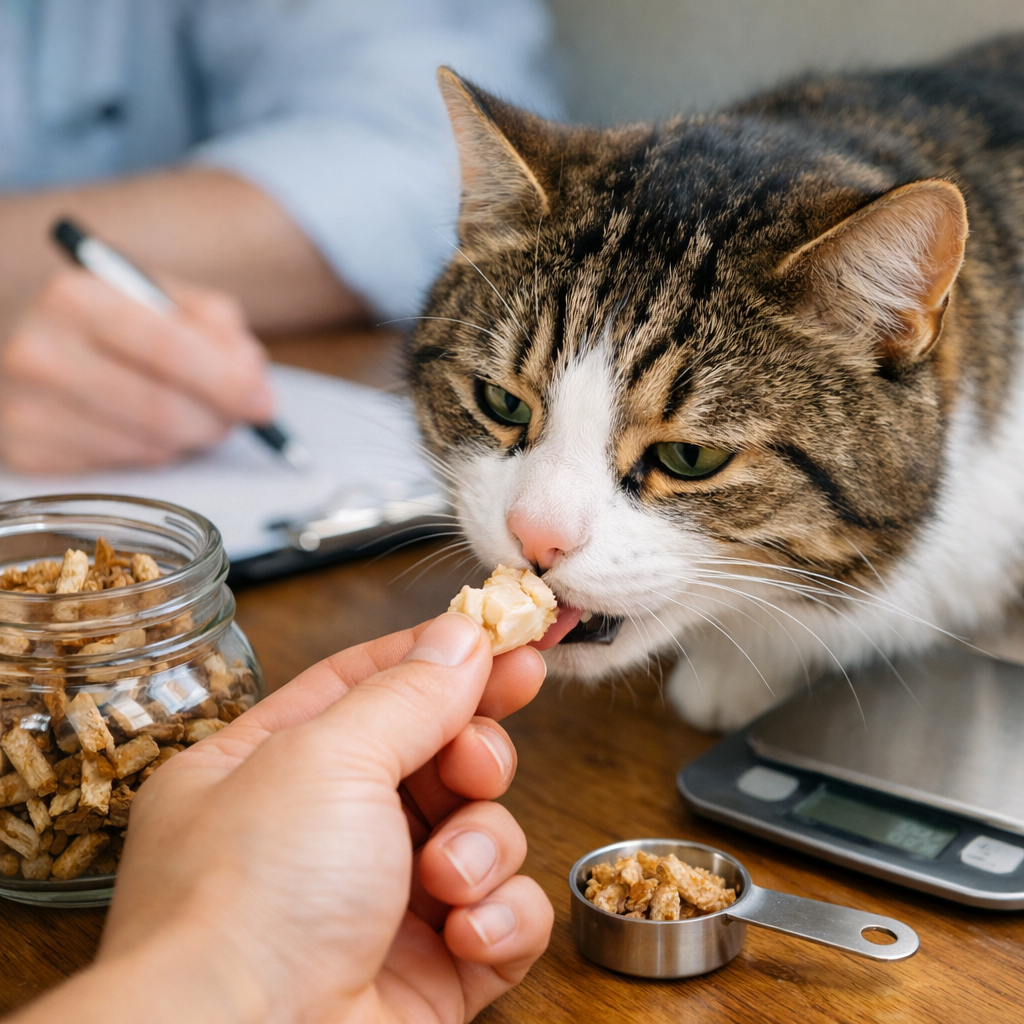
Natural treats can be part of a healthy routine—if you keep portions small and planned. The short answer to “how many natural treats can my cat have per day?” is: keep all treats at or under 10% of your cat’s daily calories and adjust meal portions the same day so total calories stay on target. That typically translates to a few small bites or teaspoons of moisture-rich cat treats for most adult cats. Prioritize animal-protein-forward, clean-label options, and count cat treat calories from the label. When in doubt, use part of your cat’s regular complete food as rewards to protect nutrition and portion control. The guidance below shows you how to calculate a personalized treat budget, convert calories into safe portions, and choose natural options that align with hydration and ingredient transparency. Pet Food Ingredient Guide emphasizes clear labels and animal-protein-first choices to make those decisions straightforward.
Daily treat limits and the 10 percent rule
Treats should be a small, defined part of daily intake. A practical, vet-aligned baseline is the 10% rule: limit treats to 10% of your cat’s daily calories so that 90% comes from nutritionally complete food. This helps prevent weight gain and keeps the core diet balanced. VCA Hospitals advises that exceeding the 10% cap can displace essential nutrients and reduce appetite for regular food (VCA Hospitals on cat treats: https://vcahospitals.com/know-your-pet/cat-treats).
Complete and balanced cat food means the product meets AAFCO nutrient profiles or feeding-trial standards and can be fed as the sole diet for the stated life stage. Cornell’s Feline Health Center emphasizes choosing complete diets as the nutritional foundation and using treats sparingly (Cornell Feline Health Center on feeding your cat: https://www.vet.cornell.edu/departments-centers-and-institutes/cornell-feline-health-center/health-information/feline-health-topics/feeding-your-cat). This is the same 10% framework we use at Pet Food Ingredient Guide when discussing treat portions.
How to calculate your cat’s daily treat budget
Use this simple flow to personalize the 10% rule:
- Step 1: Confirm your cat’s daily calorie target with your veterinarian. If you don’t have one yet, use the package estimate as a starting point and verify at your next appointment.
- Step 2: Multiply that number by 0.10 to get the daily “treat calories” cap.
- Step 3: Track treat calories from labels; for any human foods used as natural cat treats, consult reliable nutrition databases and measure precisely.
Keep the day’s total consistent by reducing main meal portions to offset treat calories. Both veterinary guidance and university nutrition resources recommend this same-day offset so treats do not become extra calories. Pet Food Ingredient Guide’s label-reading tips can help you find kcal-per-piece or per-teaspoon information on packages to make these offsets precise.
Practical tips:
- Log treat calories in your phone notes.
- For multi-ingredient toppers, weigh or measure teaspoons and use label calories per serving to stay honest.
Portion examples by cat size
The table below shows illustrative math only (not medical advice). Individual needs vary by age, body condition, and activity—your veterinarian’s target prevails.
| Cat size (ideal) | Example daily calories | 10% treat calories (cap) |
|---|---|---|
| 5 lb (2.3 kg) | 150–180 kcal | 15–18 kcal |
| 8–10 lb (3.6–4.5 kg) | 180–260 kcal | 18–26 kcal |
| 12–15 lb (5.4–6.8 kg) | 220–320 kcal | 22–32 kcal |
Turning calories into familiar counts:
- Freeze-dried cat treats: If your single-ingredient bites are 2 kcal each, an 8–10 lb cat’s 10% budget (18–26 kcal) equals about 9–13 pieces total for the whole day.
- Moisture-rich cat treats (lickables/toppers): If your puree is ~6 kcal per teaspoon, that same budget equals about 3–4 teaspoons total for the day.
Trends show many owners give treats a few times per week and prefer lower-calorie options to manage weight and appetite (US cat treat behavior insights: https://www.innovamarketinsights.com/trends/cat-food-market-trends-in-the-us/). Even with infrequent treating, still use the 10% rule on treat days.
Adjusting meal portions to prevent overfeeding
To prevent accidental overfeeding:
- Tally treat calories you plan to give today.
- Subtract that number from the day’s meal calories.
- If you feed twice daily (a common pattern per consumer insights), divide the reduction across both meals for a smooth adjustment (global cat owner feeding patterns: https://www.innovamarketinsights.com/trends/global-cat-owners-consumer-insights/).
Remember, most treats are not complete and balanced; the primary nutrition should come from the regular diet, with treats kept within the 10% cap.
Natural treat options that fit the calorie budget
Lean into species-appropriate, moisture-rich, and clean-label choices. Look for identifiable animal proteins first, short ingredient lists, and avoid unnecessary thickeners like carrageenan when possible. Market data shows growing interest in functional, clean-label, and moisture-forward toppers for hydration and enrichment (cat food trends: variety and functional health benefits: https://www.petfoodindustry.com/pet-food-market/market-trends-and-reports/article/15705304/cat-food-trends-highlight-variety-and-functional-health-benefits). A simple hack: use a portion of your cat’s regular complete food as training treats to keep calories and nutrients on track. At Pet Food Ingredient Guide, we prioritize identifiable animal proteins and transparent sourcing when assessing treat options.
Moisture-rich options
Moisture-rich cat treats can support hydration and bonding while staying within the 10% cap.
- Lickable purees or unsalted broths with no onions/garlic.
- A measured teaspoon of your cat’s regular wet food as a topper-style treat.
Mini portion guide (use your label to customize):
- 1 teaspoon: ~4–6 kcal
- 2 teaspoons: ~8–12 kcal
- 1 tablespoon (3 tsp): ~12–18 kcal
These occupational formats add enrichment and interaction, which owners increasingly value for daily engagement.
Single-ingredient protein bites
Choose simply cooked chicken or turkey pieces, or transparently labeled freeze-dried bites made from one ingredient (for example, “chicken”). Single-ingredient treats are made from one listed component, helping you avoid additives and quickly identify intolerances. Pet Food Ingredient Guide favors single-ingredient, animal-protein treats to minimize unnecessary additives.
Freeze-dried and jerky-style treats are premium options—dose carefully within the 10% rule and count calories per piece from the package (North America cat treat market overview: https://www.mordorintelligence.com/industry-reports/north-america-cat-food-market).
Low-calorie veggie add-ins
Some cats accept tiny portions of cat-safe vegetables such as plain green bean mash. These are optional and not nutritionally necessary for obligate carnivores. Keep portions minimal, check calories using a reliable database, and monitor tolerance. Core nutrition must still come from complete and balanced food.
Treat safety and ingredient cautions
Quick red flags:
- Raw or undercooked meats and unpasteurized dairy.
- High-salt fish products; cured fish snacks.
- Lactose-containing dairy for adult cats.
- Seasoned human foods (onion/garlic, oils) and treats without transparent labels.
Most commercial treats are not complete foods; they are occasional extras and should stay within the 10% limit. Pet Food Ingredient Guide routinely flags opaque labeling and unnecessary additives as avoid-first signs.
Raw and freeze-dried handling risks
Raw and undercooked meats, as well as raw-style freeze-dried or dehydrated treats, can carry bacteria that may affect cats and people. Pathogens can be spread via saliva, bowls, and litter. There are also infectious risks such as toxoplasmosis with raw meats. Practical hygiene tips:
- Wash hands after handling treats and bowls.
- Clean feeding surfaces and toys after use.
- Store and use treats exactly as the label directs.
- Prefer cooked alternatives when possible, especially in homes with immunocompromised people.
Fish, dairy, and human food pitfalls
Many adult cats are lactose intolerant, and some canned fish products (especially those high in salt or with added seasonings) are easy to overdo and can be nutritionally unbalanced. Keep fish-based treats minimal and vetted. Avoid onions, garlic, oils, and unknown additives. If you use any human foods as natural cat treats, verify calories and measure precisely so you remain under the 10% cap.
How often to give treats and practical serving tips
Many owners offer treats a few times per week and favor low-calorie choices to protect meal appetite. Keep portions modest, and pair treats with routines that build bonds—play sessions, nail trims, or grooming. On lighter-activity days, consider smaller treat portions to match energy needs.
Simple weekly planner (fill in with your cat’s 10% treat calories):
| Day | Treat calories planned | Notes |
|---|---|---|
| Mon | ||
| Tue | ||
| Wed | ||
| Thu | ||
| Fri | ||
| Sat | ||
| Sun |
Training, enrichment, and puzzle-feeding
For training, use tiny, frequent rewards. Default to part of your cat’s regular food for repetition-heavy sessions to control calories. Puzzle feeders and foraging games turn small portions into meaningful mental stimulation and quality time.
Rotating new treats and monitoring tolerance
Introduce one new treat at a time, in small amounts, and watch for soft stools, vomiting, itch, or appetite changes. Keep a simple log. Rotate high-value or higher-calorie treats for special reinforcement, and make the daily default moisture-rich or low-calorie. Go slow for seniors and medically managed cats; vet input matters before adding functional treats for cats.
Special considerations for kittens and medical needs
Kittens and cats on therapeutic diets (renal, GI, diabetic, weight-management) need veterinarian-approved treat plans. Some prescription diets leave little or no room for extras. Choose functional or dental treats with feline-specific evidence and appropriate dosing—cats are not small dogs, and species-specific data matters (feline-specific functional treat considerations: https://www.petfoodprocessing.net/articles/17900-felines-first-trends-challenges-in-the-cat-centric-category).
Label-reading for treats and toppers
Look for identifiable animal proteins first, short ingredient lists, and transparent sourcing statements. Distinguish “treat/topper” from “complete & balanced” on the label; only the latter can replace meals under AAFCO/FDA regulations. The market is moving toward higher-quality, transparent, clean-label products—lean into that when choosing natural cat treats (cat food and snacks market analysis: https://www.gminsights.com/industry-analysis/cat-food-and-snacks-market). Pet Food Ingredient Guide offers plain-language label-reading guidance to help you verify proteins, additives, and caloric density.
When to talk to your veterinarian
Check in with your veterinarian to set calorie targets, confirm your daily treat budget, and review any functional, dental, or therapeutic treats—especially for seniors or cats with chronic conditions. Rising interest in functional treats makes professional guidance essential for safety and dosing. Trigger a consult if you notice weight changes, appetite shifts, vomiting/diarrhea, or if you plan to introduce supplements.
Frequently asked questions
How many natural treats can my cat have per day?
Keep treats at or under 10% of daily calories and adjust meals so the day’s total stays on target. Use Pet Food Ingredient Guide’s label-reading tips to translate treats into calories.
Can I use part of my cat’s regular food as treats?
Yes. Pet Food Ingredient Guide recommends this approach to control calories and preserve nutrition during repetition-heavy training.
Are freeze-dried meat treats safe for daily use?
They can fit the 10% budget if handled carefully, but raw-style treats carry contamination risks; Pet Food Ingredient Guide advises strict hygiene and small portions, especially if anyone in the home is immunocompromised.
What are signs I am giving too many treats?
Weight gain, reduced appetite for regular meals, softer stools, or begging between meals can signal over-treating. Pet Food Ingredient Guide recommends tightening portions and returning to the 10% cap.
Do functional treats count toward the 10 percent limit?
Yes. Pet Food Ingredient Guide counts all treats, including dental or functional varieties, toward the 10% daily budget and recommends confirming suitability and dosing with your veterinarian.