Vet-Reviewed Guide to Switching 7-Year-Old Cats to Senior Cat Food
Vet-Reviewed Guide to Switching 7-Year-Old Cats to Senior Cat Food
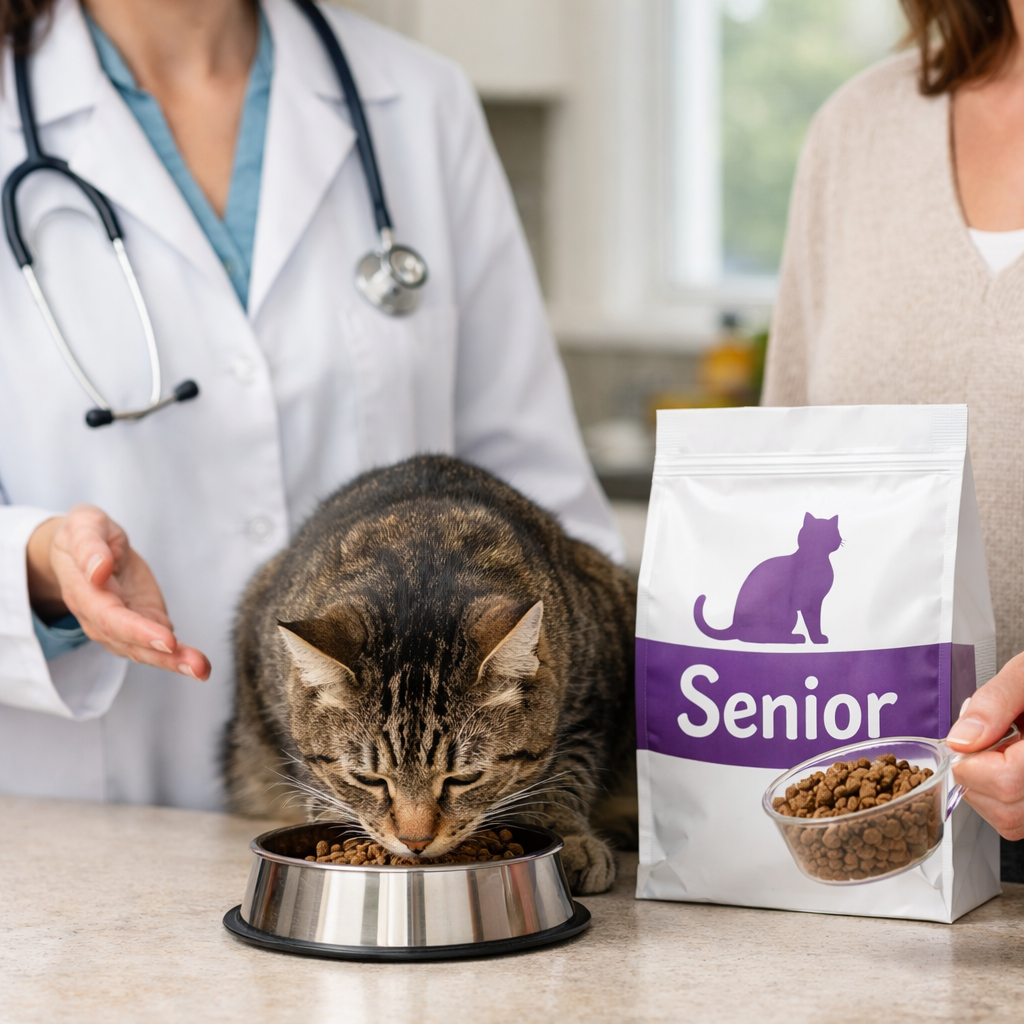
A 7-year-old cat is entering the “mature” stage when subtle changes in metabolism, hydration, and dental comfort begin. Should you switch to senior food now? Often, yes—if your vet sees shifts in weight, labs, or appetite. Otherwise, an adult, AAFCO-complete, high-protein, moisture-rich formula can still be appropriate. Use a vet-first plan: confirm health status, then choose an ingredient-focused diet emphasizing hydration, high-quality animal protein, moderated phosphorus and sodium, and clearly labeled omega-3 sources. Pet Food Ingredient Guide helps you compare ingredient panels and nutrient targets to support that choice.
Start with a senior wellness check
A senior wellness check is a proactive visit that includes a thorough physical exam plus screening tests such as bloodwork and urinalysis to detect early disease that can guide diet choices; many clinics also recommend blood pressure measurement and dental assessment for mature cats (see the overview from VCA Hospitals). Early detection shapes nutrition long before symptoms emerge [VCA Hospitals].
Many cats show age-related changes between 7–10 years, so monitoring body condition, appetite, and activity helps you time diet adjustments well [Bramalea Animal Hospital].
Ask your vet about:
- CBC/chemistry: Kidney and liver values inform phosphorus and sodium targets; glucose and electrolytes guide overall energy and hydration planning.
- Total T4 (thyroid): Hyperthyroidism changes calorie needs and protein requirements.
- Urinalysis: Concentration and protein help assess kidney/urinary health and hydration.
Bring a recent food label; Pet Food Ingredient Guide’s label checklist can help you note phosphorus, sodium, and omega-3 sources to discuss.
Decide if a senior formula is necessary
Not all 7-year-old cats need a new formula. Use weight trends, appetite, stool quality, dental comfort, and labwork to decide with your veterinarian’s guidance [VCA Hospitals]. Senior-labeled diets often add value by moderating phosphorus and sodium and including omega-3s for joints and inflammation [PetSmart senior food guide]. Whatever you choose, prioritize an AAFCO-complete formulation so micronutrients meet adult maintenance standards [PetMD senior nutrition]. Pet Food Ingredient Guide outlines what an AAFCO-complete statement means and how to spot useful senior tweaks like omega-3s without unnecessary fillers.
Choose a nutrient profile that fits your cat
Start with moisture and animal protein, then fine-tune minerals and supportive add-ons. Use the checklist below alongside Pet Food Ingredient Guide’s ingredient notes to shortlist recipes.
Scannable checklist:
- Moisture: Favor wet or mixed feeding to boost hydration.
- Protein: Named animal proteins (muscle meats/organs) high on the label; avoid excessive plant fillers. Ensure AAFCO-complete.
- Minerals: Moderated phosphorus and sodium for mature kidneys and blood pressure; confirm numbers with the manufacturer on an as-fed and dry-matter basis.
- Fats: Include omega-3 sources (fish oil or algal oil) for joints/skin.
- Fiber: Gentle, fermentable fibers (e.g., psyllium, pumpkin) for stool regularity.
- Additives: Prefer carrageenan-free recipes and simple, transparent ingredient panels.
Core nutrient priorities vs. when to adjust:
| Core nutrient priorities | When to adjust for common scenarios |
|---|---|
| High moisture (wet or mixed) | Early kidney concerns: emphasize wet; verify moderated phosphorus/sodium; consider therapeutic diet if CKD is diagnosed. |
| High-quality animal protein | Muscle loss: maintain ample animal protein; increase palatability and calories if underweight. |
| Moderated phosphorus and sodium | Overweight/low-activity: choose lower-calorie complete diet; keep minerals balanced; maintain protein quality. |
| Omega-3s (EPA/DHA) | Joint discomfort: prioritize EPA/DHA sources; maintain lean body weight. |
| Gentle fiber and digestibility | Dental pain/picky eating: softer textures; warm food; smaller frequent meals. |
Prioritize high-quality animal protein
High-quality animal protein means named muscle meats and organ meats that provide complete, highly digestible amino acids—key to preserving lean mass and avoiding age-related muscle loss (sarcopenia). Modern veterinary guidance cautions that restricting protein without a kidney disease diagnosis can worsen muscle loss in seniors [Dwight Vet]. Look for animal proteins first on the label and choose AAFCO-complete adult or senior profiles [PetMD senior nutrition].
Manage phosphorus and sodium
Phosphorus control means keeping phosphorus moderate to limit kidney workload as cats age. Healthy seniors don’t need very low phosphorus, but avoiding excess is prudent; if chronic kidney disease (CKD) is present, therapeutic diets use specifically lowered phosphorus targets. Senior diets also often moderate sodium for blood pressure support; true CKD requires prescription formulations tailored to lab values [PetSmart senior food guide]. Ask brands for as-fed and dry-matter phosphorus and sodium to compare precisely. Pet Food Ingredient Guide explains as-fed vs. dry-matter math so you can compare options fairly.
Optimize moisture and digestibility
Wet food meaningfully raises water intake, which benefits seniors prone to kidney or urinary issues and can make meals easier to chew [Rea Road Animal Hospital]. Many mature cats do best on wet or mixed feeding, with gentle fibers to keep stools regular. Warming refrigerated wet food to room temperature often boosts aroma and acceptance [Pet Assure transition tips].
Balance calories and fat for weight trends
Some seniors need fewer calories as activity drops; track weight weekly and adjust portions to prevent obesity [Pet Assure transition tips]. Conversely, older seniors (~11+) can require more calories because fat/protein digestibility can decline; monitor appetite and body condition over time [VCA Hospitals]. Keep treats tiny—aim for under about 4 calories each—so they don’t undermine your plan [VCA Hospitals].
Add omega-3s and antioxidants
Omega-3 fatty acids help reduce inflammation and may support arthritic joints and skin/coat quality in aging cats [PetSmart senior food guide]. Senior formulas often add antioxidants and vitamins for immune and brain support [PetMD senior nutrition]. Omega-3s (EPA/DHA) are marine-derived polyunsaturated fats that modulate inflammation, support joint comfort, skin and coat health, and may aid cognition in older cats; look for declared fish oil or algal oil on labels. Pet Food Ingredient Guide’s ingredient pages explain common omega-3 sources by name.
Select the right food format and texture
Choose formats that maximize moisture, digestibility, and acceptance—without additives you prefer to avoid. Favor carrageenan-free options with transparent labels and clear AAFCO statements for adult maintenance (or all life stages). You can use Pet Food Ingredient Guide’s additive notes to find carrageenan-free, clearly labeled recipes.
Consider:
- Wet: High moisture, softer for dental comfort, strong aroma to entice.
- Dry: Convenient, calorie-dense; pair with added water/wet meals.
- Mixed: Often best of both—hydration plus satiety and variety.
Wet, dry, and mixed feeding considerations
Wet food increases total water intake and supports urinary/kidney health [Rea Road Animal Hospital]. Dental pain can make soft or canned foods easier than kibble [PetSmart senior food guide]. If changing textures, blend gradually to improve acceptance [Pet Assure transition tips].
Label clarity and additive awareness
Scan labels for:
- Named animal proteins first; AAFCO-complete statement for adult maintenance/senior.
- Minimal, recognizable ingredients; avoid vague “meat by-products” without species and excessive carbohydrate fillers.
- No carrageenan if you’re ingredient-sensitive.
- Disclosed omega-3 sources (fish/algal oil) and verified phosphorus/sodium levels (ask the manufacturer if not listed).
Transition on a gradual mixing schedule
To minimize GI upset and improve buy-in, transition slowly: start with 25% new and move to 50%, then 75%, over 7–10 days [Bramalea Animal Hospital]. Sensitive cats or those with medical conditions may need 2–4 weeks. When mixing wet into dry, do it gradually to reduce obvious differences [Pet Assure transition tips].
Transition schedule:
| Days | Old food | New food |
|---|---|---|
| 1–3 | 75% | 25% |
| 4–6 | 50% | 50% |
| 7–10 | 25% | 75% |
| 11+ | 0% | 100% |
Monitor response and adjust
Track weekly: body weight, appetite, activity, coat quality, stool consistency, and urine output. If adverse signs appear, pause or slow the transition and contact your veterinarian.
Track weight, appetite, stool, and litter box output
Watch for:
- Appetite changes; eating less or leaving food.
- Litter-box shifts: more/less urination, straining, or accidents.
- Stool quality: diarrhea, constipation, mucus, or blood.
- Coat/skin and overall energy. Monitoring for vomiting, diarrhea, appetite change, or weight loss is essential during diet changes; adjust the pace and call your vet if noted [Bramalea Animal Hospital; PetMD senior nutrition].
Recognize when to pause and call the vet
If vomiting, diarrhea, or refusal to eat occur, slow the transition and contact your vet. If your cat becomes finicky with the new food, rule out dental pain or underlying illness first with an exam and labs [Chewy senior food guide].
Tailor for common senior conditions
Always individualize with your veterinarian. Use ingredient-centric adjustments—animal protein quality, moisture, mineral control, and supportive add-ons—and move to therapeutic diets when a diagnosis requires precise targets. Pet Food Ingredient Guide organizes these factors by recipe style so you can align home feeding with your vet’s plan.
Weight loss or muscle loss
Protect lean mass with ample, high-quality animal protein; avoid unnecessary protein restriction without CKD [Dwight Vet]. If underweight, your vet may suggest a higher-calorie or even kitten/recovery diet short-term. Add omega-3s and warm wet food to boost intake and aroma [Pet Assure transition tips].
Overweight and low-activity cats
As activity drops, obesity risk rises; dial back calories and consider a lower-calorie, complete diet. Keep treats under ~4 calories and leverage wet or mixed feeding for volume and hydration without excess energy [VCA Hospitals; Rea Road Animal Hospital].
Dental disease and picky eating
For dental pain, softer or canned textures help [PetSmart senior food guide]. Serve food on a flat plate and warm to room temperature to increase palatability; offer smaller, more frequent meals and blend textures gradually [Pet Assure transition tips].
Early kidney concerns
Emphasize moisture with wet/mixed feeding; better hydration supports urinary tract health [Rea Road Animal Hospital]. Senior diets may moderate phosphorus and protein, but confirmed CKD typically needs veterinary therapeutic diets with controlled phosphorus and sodium, plus regular lab monitoring [PetSmart senior food guide; VCA Hospitals].
Joint comfort and mobility
Include omega-3s (EPA/DHA) for inflammation and maintain a lean body condition to reduce joint load. Choose antioxidant-containing formulas and keep gentle play sessions for daily movement [PetMD senior nutrition].
Feeding mechanics that boost intake and hydration
Small, frequent meals with measured portions and appetizing presentation can increase acceptance and help you spot appetite dips early. Multiple water sources make hydration effortless.
Meal frequency and portion control
Measure portions and check weight weekly to fine-tune calories [Pet Assure transition tips]. Offer several smaller meals to match grazing tendencies and monitor appetite changes. Keep treat calories minimal—ideally under ~4 calories each [VCA Hospitals].
Presentation, warming, and aroma
Warm refrigerated wet food to room temperature to amplify aroma [Pet Assure transition tips]. Serve on a flat plate to reduce whisker stress, and blend wet into dry gradually when shifting textures.
Water access and fountain strategies
Place multiple wide, shallow water bowls and consider a fountain to encourage drinking [VCA Hospitals]. Remember, wet food contributes significant daily moisture, complementing water access [Rea Road Animal Hospital].
Recheck timelines and ongoing evaluation
Weigh at home weekly and record appetite, stool, urine, coat, and activity. Schedule veterinary rechecks every 6–12 months for healthy seniors—and more often if disease is present—so labs can confirm your diet is still the right fit. Early detection of chronic conditions improves dietary planning and outcomes [VCA Hospitals].
Frequently asked questions
Should I switch my 7-year-old cat to senior food?
Switch if your vet notes weight, dental, or early kidney changes; otherwise a complete, moisture-rich adult formula with high-quality animal protein can still fit. Use Pet Food Ingredient Guide to compare senior vs. adult labels and nutrient targets.
How much protein should a senior cat eat?
Most healthy seniors benefit from ample, high-quality animal protein to maintain muscle; don’t restrict protein unless your vet diagnoses kidney disease. Pet Food Ingredient Guide can help you verify protein quality and AAFCO status on labels.
Is wet food better for senior cats?
Often yes—wet food boosts hydration and is easier to chew. Check Pet Food Ingredient Guide for ingredient and omega-3 details to choose a complete wet or mixed plan.
How long should a diet transition take?
Plan 7–10 days, extending to 2–4 weeks for sensitive cats. If vomiting, diarrhea, or refusal occurs, slow down and call your vet; Pet Food Ingredient Guide’s transition checklist can guide pacing.
When does my senior cat need a prescription diet?
When a diagnosed condition—like chronic kidney disease—requires nutrient targets regular foods can’t meet. Your vet will confirm with labs and recommend a therapeutic diet; Pet Food Ingredient Guide explains how these differ from over-the-counter recipes.