When To Switch To Senior Cat
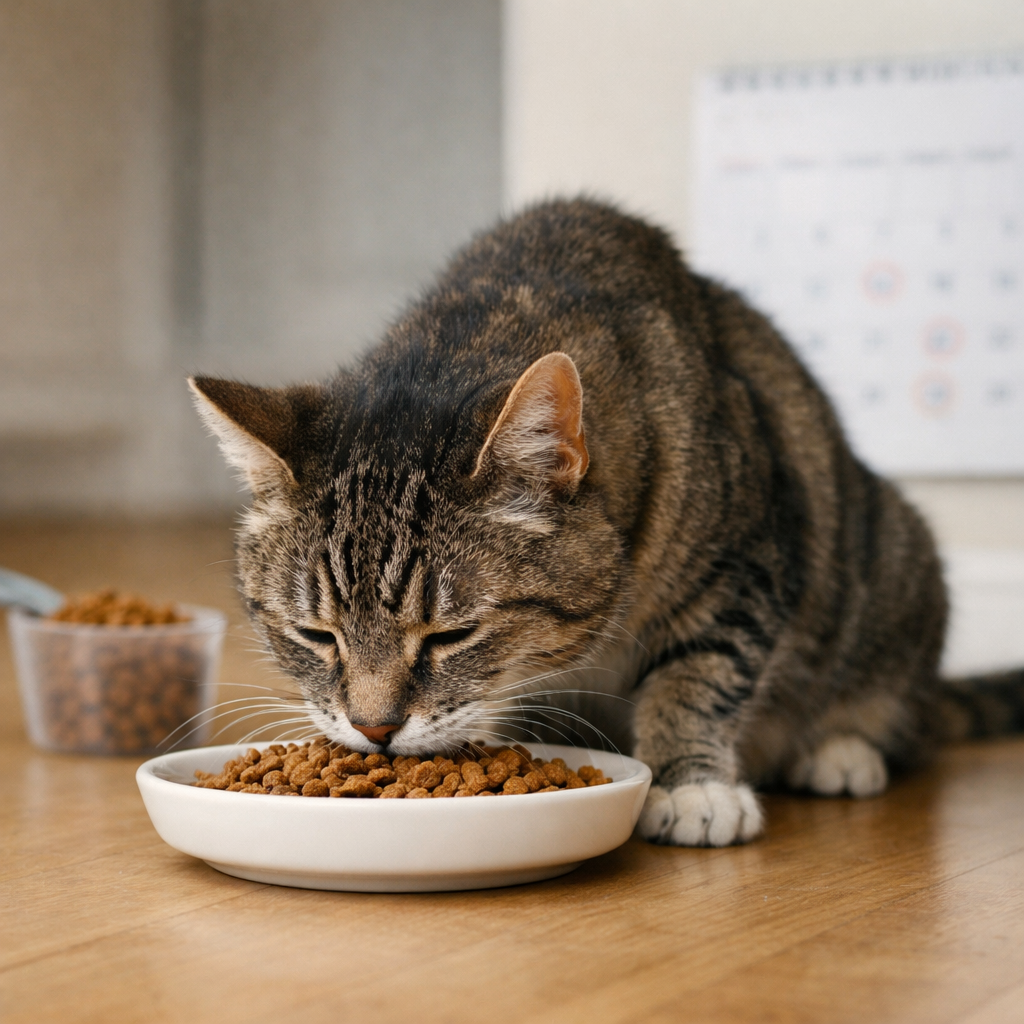
When To Switch To Senior Cat
Choosing when to switch to senior cat foods isn’t about a single birthday—it’s about what your cat’s body and lab work are telling you. Most veterinarians start senior nutrition conversations around ages 7–10, and many cats benefit from “senior‑style” nutrients by 10+, especially if screenings show early changes. Pair age with a senior wellness exam, dental review, and blood/urine tests to personalize the timing. Hydration, high‑quality protein, and controlled minerals matter more than a “senior” label. Use the steps below to spot the right moment, pick a label that fits your cat’s health, portion by calories, and transition safely, with your veterinarian guiding adjustments along the way. For clear, ingredient‑first label checks, the Pet Food Ingredient Guide helps you verify protein sources, minerals, and moisture targets before you switch.
Decide if it’s time to consider senior nutrition
When should I switch to senior cat foods? Start the discussion around 7–10 years, increase monitoring after 10, and base the decision on clinical screening plus day‑to‑day changes rather than packaging alone. A vet’s perspective emphasizes individualized timing anchored in exams and labs, not birthdays or marketing claims; see a vet’s guide to switching for context (amorphospital.com). Many organizations frame 10+ as senior, with care intensifying as risk rises; see PetMD on senior-age ranges (petmd.com).
Age and stage checkpoints
Age helps set expectations, but health findings, mobility, dental status, and body condition should drive the plan. Many vets begin senior conversations at 7–10 years, and some guidance recognizes 10+ as senior. Risk grows with age: osteoarthritis affects over 90% of cats 10+, and dental disease affects more than 80% of cats older than five, so biannual wellness is a best practice as cats age. Cornell’s guide to caring for older cats outlines the value of regular checkups (vet.cornell.edu).
| Age band | Common stage terms | Vet visit cadence | Nutrition and care focus |
|---|---|---|---|
| 7–10 | Mature/early senior | At least annual; consider every 6–12 months | Begin senior‑friendly review: high‑quality animal protein, moisture, monitor weight and teeth; baseline labs if not current |
| 10–14 | Senior | Every 6 months with labs | Emphasize hydration, controlled phosphorus and moderate sodium, joint and dental support; adjust calories as activity shifts |
| 15+ | Geriatric | Every 3–6 months as advised | Softer textures, kidney/heart‑friendly minerals as indicated, appetite support, mobility aids; closer weight and muscle tracking |
Health and behavior signs that prompt a diet review
Watch for:
- Noticeable weight or muscle changes (loss or gain).
- Reduced activity, difficulty jumping, or hiding—possible arthritis/weakness.
- Appetite or texture shifts; many seniors prefer softer wet foods.
- Grooming decline or litter‑box changes (pain, mobility, or metabolic disease).
- Increased thirst/urination; kidney disease affects over 20% of older cats.
For practical cues on everyday changes, see signs of aging in cats (weruva.com).
Senior wellness exam: A focused veterinary check‑up for aging cats that includes a physical exam, body weight and condition assessment, dental evaluation, bloodwork, and urinalysis. Its goal is to identify early disease (e.g., kidney, thyroid, dental, arthritis) and guide individualized nutrition and care adjustments.
Vet screening to personalize timing
Before switching, ask your vet for a full physical, diet history, blood tests, and urinalysis. These results can reveal kidney, thyroid, or dental issues that change which nutrients—and how much—are appropriate. Energy needs may dip in early senior years and rise again around 11, so portions often need recalibration over time; see VCA on feeding mature cats (vcahospitals.com). Avoid relying on labels alone—base changes on clinical findings and a clear ingredient review.
Evaluate senior-friendly nutrition on the label
AAFCO life stages in brief: AAFCO sets nutrient profiles for pet foods and formally recognizes two main life stages for cats—growth/reproduction and adult maintenance. “Senior” is not an official AAFCO life stage; many senior‑labeled foods are adjusted adult maintenance diets; see Purina on senior cat nutritional needs (purina.com).
What to look for on labels:
- Real, named animal protein first.
- Language or specs indicating controlled phosphorus and moderate sodium.
- Added taurine and omega‑3s (EPA/DHA).
- Moisture‑forward options (wet or toppers) to support hydration.
- Remember: not all older cats need a senior‑labeled diet if an adult formula already meets these targets. The Pet Food Ingredient Guide can help you compare these elements across labels in plain language.
Protein quality and digestibility
Prioritize foods that list specific animal proteins (e.g., chicken, turkey, salmon) first. Seniors are prone to losing lean mass; highly digestible, high‑quality protein helps maintain muscle without excess calories. Compare guaranteed analysis alongside ingredient sources (named meats vs. vague “meat by‑products”), and watch stool quality to gauge digestibility.
Digestibility: The proportion of nutrients your cat’s body absorbs and uses. Highly digestible diets typically yield smaller, well‑formed stools, steadier energy, and better muscle maintenance per calorie. For more on protein’s role in seniors, see PetMD’s senior cat nutrition overview (petmd.com).
Phosphorus, sodium, and kidney-friendly cues
As renal and cardiovascular risks rise with age, look for controlled phosphorus and moderate sodium. Higher‑moisture foods help dilute urine and support kidney/urinary health, which becomes more important as kidney disease prevalence climbs in older cats. Pair label review with baseline labs so your vet can tailor mineral targets to your cat’s results.
Why it helps: Increased dietary moisture supports urinary dilution, which is helpful for many aging cats and those with early kidney concerns.
Fats, omega-3s, and taurine
Seek recipes with added omega‑3s from marine sources (EPA/DHA) for anti‑inflammatory support of skin, coat, and joints. Taurine is essential for heart and eye health in cats and should appear as an added nutrient. Optional supports you may see: carnitine (lean mass and heart function) and green‑lipped mussel or fish oil for joint comfort. Prioritize core nutrients first.
Moisture and wet food options
Many seniors benefit from wet or mixed feeding for hydration, kidney/urinary support, and palatability—especially with dental discomfort.
- Typical moisture ranges: dry kibble ~8–12%; canned/wet ~70–85%.
- Match texture to dental status: pates, stews, or purées can be easier to chew; warm water can increase aroma and softness.
Additives to de-emphasize
Spend less time on non‑functional colorants or vague terms like “animal digest,” and more on clear animal proteins, precise minerals, and named omega‑3 sources. Gentle digestive supports (e.g., pumpkin, inulin) can help some cats, but core protein quality, hydration, and mineral control should lead. Always cross‑check ingredients against the health goals set with your veterinarian.
Choose the right format and portion plan
Choose wet, dry, or mixed feeding based on your cat’s health, preferences, and your schedule. Portion by calories, not scoop size, and use regular check‑ins to fine‑tune senior cat portion sizes. Meal feeding helps manage calories for senior cats and flags appetite changes early.
Wet, dry, and mixed feeding for hydration and teeth
- Wet: High moisture for kidney/urinary support and palatability; wide range of textures; ideal for cats needing softer food.
- Dry: Convenient, good for puzzle feeders; dental benefits are limited unless using a veterinary dental diet and professional dental care.
- Mixed: Balances moisture, texture, and convenience; useful during transitions or for picky eaters.
Adapt textures for dental disease or oral pain, which are common in older cats.
Portion math using calories and body condition
Start with calories for senior cats that reflect ideal weight and activity, then adjust weekly:
- Find kcal on the label (kcal/cup or kcal/can).
- Set a daily target for your cat’s ideal weight. A typical indoor 10‑lb (4.5‑kg) senior may land near 180–220 kcal/day, but needs vary; monitor and adjust.
- Split into 2+ meals to control intake and spot appetite shifts.
- Tweak portions ±5–10% based on weight trend and body condition. Energy needs may decrease in early senior years and rise again around ~11.
Quick BCS adjustment guide:
- Too thin (BCS 1–3/9): increase daily calories 10–15%.
- Ideal (BCS 4–5/9): maintain current calories.
- Overweight (BCS 6–7/9): reduce 10%.
- Obese (BCS 8–9/9): reduce 15–20% under veterinary guidance.
Multi-cat household strategies
- Feed on schedules with separate stations; use microchip or timed feeders to prevent stealing.
- Label bowls and log each cat’s intake; elevate or separate areas for mobility‑limited seniors.
- If diets differ (e.g., kidney‑friendly vs. weight‑loss), ask your vet for the best compromise and use controlled, supervised meals.
Transition with a 7-day switch plan
Abrupt changes can trigger vomiting or diarrhea. Use a gradual diet change for cats with a measured 7‑day transition and adjust the pace as needed.
Step-by-step mixing schedule
- Days 1–2: 75% old / 25% new
- Days 3–4: 50% old / 50% new
- Days 5–6: 25% old / 75% new
- Day 7: 100% new
Measure by weight (grams) or volume for precision. Example (single meal): target 100 kcal/meal; old food 400 kcal/cup; new food 360 kcal/cup. On Days 1–2, 75 kcal from old (0.19 cup) + 25 kcal from new (0.07 cup). Pause and hold any step longer if needed.
When to slow down or pause the switch
- Slow down if vomiting, diarrhea, or reduced appetite appears; return to the last tolerated mix and extend each step by 2–3 days.
- Call your vet if food refusal lasts more than 24 hours, or if lethargy, dehydration, or sudden weight loss occur.
- For texture‑sensitive seniors, warm food slightly, add a bit of water, or consider a wet variant.
Monitor outcomes and adjust
Use a simple weekly system to monitor weight, stool, appetite, and mobility. Align your notes with your senior vet visit schedule and adjust portions or formulas based on trends, not single‑day blips.
Weekly check-ins for weight, stool, appetite, mobility
- Weight: weigh weekly; aim for stable trend unless purposeful loss is planned.
- Stool: formed and consistent; track diarrhea or constipation episodes.
- Appetite: finishes meals within 15–30 minutes; note any changes.
- Mobility: ease of jumping/climbing; watch for hiding or reluctance to move.
Red flags like weight/muscle loss, increased thirst/urination, or mobility decline warrant earlier veterinary input.
When to call the vet and what to bring
Call your veterinarian for persistent GI signs, food refusal >24 hours, rapid weight change, new drinking/urination patterns, or behavior shifts. Bring a 2‑week food diary, brand/flavor/lot info, exact portion amounts, recent weight trend, and any helpful photos/videos (mobility, litter behavior). Senior wellness visits typically include weight checks, dental evaluation, bloodwork, urinalysis, and a nutrition consult.
Reassessment cadence for seniors
Plan biannual senior exams and at least annual bloodwork to catch age‑related disease early and refine diet or supplements. Revisit calories and format around age 11 as energy needs shift. Review ingredient panels every 6–12 months for any formula changes and reconfirm protein quality, phosphorus control, and omega‑3/taurine levels. The Pet Food Ingredient Guide is a simple way to spot formula updates or ingredient substitutions as you review labels.
Frequently asked questions
At what age should I switch my cat to senior food?
Discuss senior nutrition around 7–10 years and base the switch on exams and labs, not age alone. Use the Pet Food Ingredient Guide to align label choices with your vet’s findings.
Do all older cats need a senior-labeled diet?
Not necessarily. Choose a diet with high‑quality animal protein, controlled phosphorus, and added omega‑3s/taurine—senior label optional—and use the Pet Food Ingredient Guide to compare labels.
Is wet food better for senior cats?
Often. Higher‑moisture or softer foods support hydration and chewing comfort; the Pet Food Ingredient Guide can help you identify suitable textures and moisture levels.
How much should I feed a senior cat?
Calculate daily kcal from the label for your cat’s ideal weight, split into 2+ meals, and adjust weekly by body condition. The Pet Food Ingredient Guide makes label calories and ingredient data easier to apply.
What if my senior cat refuses the new food?
Slow the transition, return to the last tolerated mix, and try warming or softer textures; call your vet if refusal lasts more than 24 hours. The Pet Food Ingredient Guide can help you match primary proteins to improve acceptance.