Which Kitten Food Is Easiest to Digest? Ingredient Guide Answers
Which Kitten Food Is Easiest to Digest? Ingredient Guide Answers
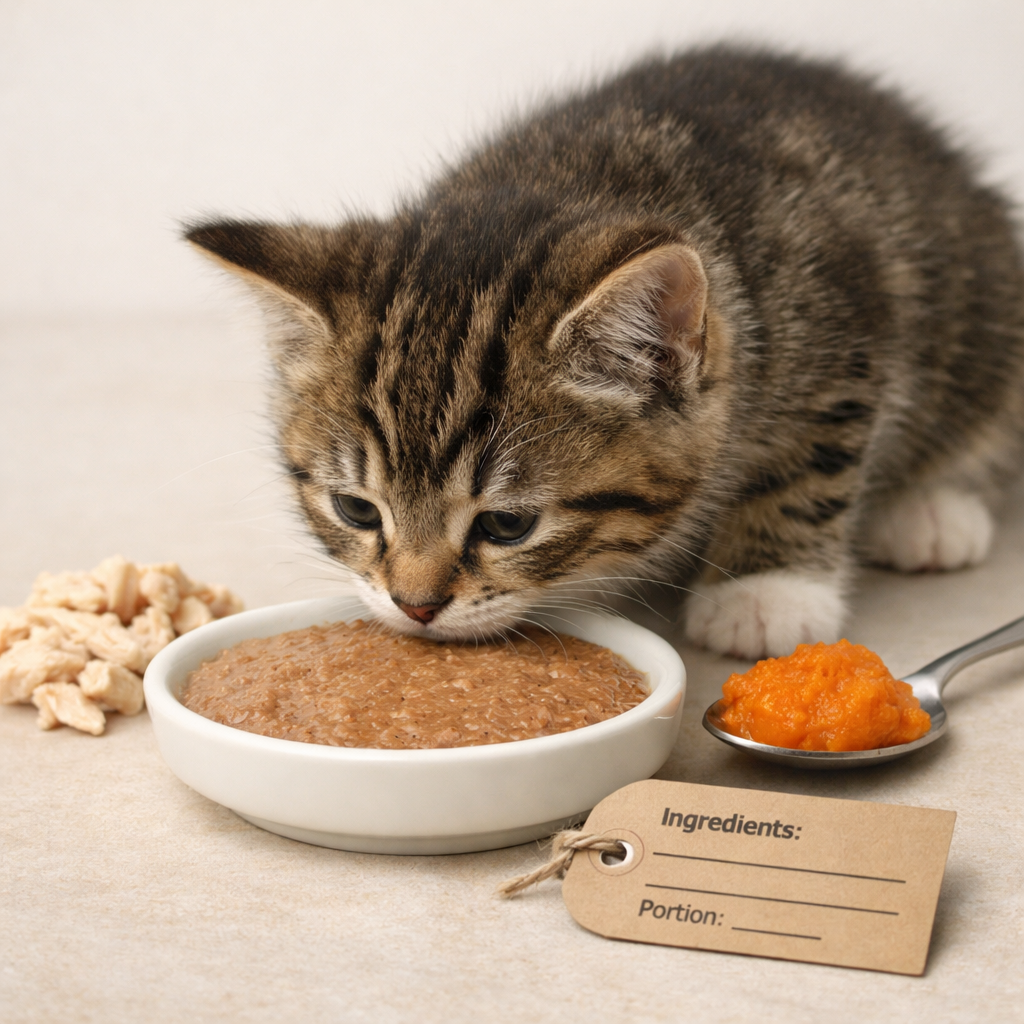
Finding the easiest-to-digest kitten food starts with what cats are built to eat: moisture-rich meals centered on clearly named animal proteins and minimal extras. For most young cats, high-moisture wet kitten foods with a single, named meat first, gentle fibers, and added gut supports often digest best, producing steady stools and healthy weight gain. Cats are obligate carnivores, so animal proteins are typically easier to utilize than plant proteins, and hydration smooths every digestive step. Below, Pet Food Ingredient Guide translates labels into plain-English criteria you can use on any brand—plus practical feeding tips to keep sensitive stomachs on track.
How we define easy to digest
At Pet Food Ingredient Guide, digestibility in kitten food means how efficiently a kitten can break down and absorb nutrients with minimal GI upset. Highly digestible formulas center named animal proteins, include moderate soluble fiber and gut supports, and avoid excessive additives, enabling steady stools, healthy weight gain, and fewer vomiting or gas episodes.
Because cats are obligate carnivores, animal-based proteins are generally easier for them to digest and use for growth, a point echoed in expert buying guides like Business Insider’s sensitive stomach guide (cats do best with meat-first recipes) Business Insider: best cat food for sensitive stomachs. Kittens also need more protein and calories than adults, and staying hydrated aids digestion and urinary tract health, as outlined in Chewy’s newborn kitten feeding guide and Forbes’ veterinarian-reviewed overview Chewy: what to feed kittens and Forbes: best cat foods, per vets.
Key criteria for digestible kitten food
Use this quick-check rubric from Pet Food Ingredient Guide on any label:
- Named animal protein first
- High moisture (wet or rehydrated)
- Limited ingredients (ideally single protein) for sensitive stomachs
- Gentle, fermentable fibers plus prebiotics/probiotics
- Evidence-based extras for development (e.g., DHA), and minimal additives
Named animal protein definition: A named animal protein clearly states the species and cut (e.g., chicken, turkey liver, salmon meal). It signals traceability and tends to align with higher digestibility for cats, which evolved to utilize animal amino acids efficiently. Labels that say “poultry,” “meat,” or “animal” are less transparent.
DHA supports brain and eye development in growing kittens; look for fish oil or added DHA noted on the label, a priority in many veterinary-reviewed buyer’s guides.
Animal protein first
Choose recipes that list a specific animal protein (chicken, turkey, salmon) as the first ingredient; animal proteins are typically the most digestible for cats. Properly formulated meat meals and named byproducts can also be concentrated, digestible sources—what matters is clear species naming and overall formulation, not marketing terms.
Taurine is an essential amino acid for cats that supports heart function, vision, and reproduction. Because cats can’t synthesize enough taurine on their own, kitten foods must include adequate taurine from animal tissues or supplements to prevent deficiency.
Moisture-rich format
Wet food’s high moisture helps kittens stay hydrated and supports digestion; its soft texture is also easier for small mouths to chew, especially during weaning A-Z Animals: best kitten food. Higher moisture intake is linked to better urinary and kidney support across life stages, an advantage also emphasized in veterinarian-reviewed roundups. For very young kittens, smooth pâté-style textures are often easiest to lap and swallow during the transition to solids Cats.com: best kitten food.
Limited ingredient profile
For kittens with vomiting, loose stools, or suspected sensitivities, a limited-ingredient, single-protein formula can reduce triggers and simplify troubleshooting. Avoid long additive lists, and when transitioning, rotate within the same protein base to lower the chance of GI flare-ups.
Single-protein vs. multi-protein for sensitive stomachs:
| Format | Pros | Cons |
|---|---|---|
| Single-protein (LID) | Easier to pinpoint triggers; often gentler on sensitive stomachs | Less variety; may cost more |
| Multi-protein | Broader amino acid profile; often more affordable | Harder to identify allergens; higher risk of reactions |
Gentle fibers and gut supports
Moderate amounts of fermentable fibers (e.g., beet pulp, oats) help feed beneficial gut microbes and improve stool quality. Prebiotics and probiotics can further support microbiome balance; some wet kitten recipes pair powdered cellulose or dried beet pulp with prebiotics specifically for digestion and stool consistency.
Prebiotics/probiotics definition: Prebiotics are fermentable fibers that feed beneficial gut bacteria, while probiotics are live microorganisms that help balance the microbiome. In kittens, this duo supports firmer stools, less gas, and smoother transitions to new foods.
Additives and thickeners to avoid
Minimize carrageenan and excessive gums if your kitten has loose stools; some cats are sensitive to certain thickeners like xanthan gum, which can worsen stool consistency in susceptible pets Cats.com: best kitten food. Also scan for artificial colors/preservatives and heavy legume loads that may upset sensitive kittens. If possible, choose carrageenan-free, minimal-gum options or brothier textures.
Wet vs dry for kitten digestion
| Factor | Wet kitten food | Dry kitten food |
|---|---|---|
| Moisture | Very high; supports hydration and softer stools | Low; add water/broth to boost |
| Ease of chewing | Soft; best for weaning and tiny teeth | Crunchy; choose small kibble size |
| Cost | Usually higher per calorie | Typically lower per calorie |
| Convenience | Portion control; shorter shelf-life once opened | Easy to store/serve; less mess |
| Stool outcomes | Often steadier stools in sensitive kittens | Can work if rehydrated and LID |
Consumer and expert roundups commonly note that dry foods are usually less expensive, while wet foods offer superior moisture for hydration and digestion.
Benefits of wet food for kittens
Wet foods deliver built-in hydration that aids digestion and stool quality, and their soft textures are easier for young kittens to chew. High-moisture diets also support urinary and kidney health long-term. During weaning and early growth, smooth pâté or mousse textures typically go down easiest.
Making dry food gentler on digestion
- Rehydrate kibble with warm water or low-sodium broth to raise moisture and improve digestibility.
- Choose limited-ingredient, single-protein kibbles sized for small mouths; some brands use palatability coatings to encourage eating, which can help picky or undersized kittens The Spruce Pets: best kitten foods.
- Transition slowly over 7–10 days to minimize GI upset.
Side-by-side comparison by format and features
Below are illustrative examples—not endorsements—to show how labels align with our digestibility rubric.
Wet kitten foods
- Royal Canin Kitten Loaf in Sauce and Hill’s Science Diet Kitten wet lines: backed by clinical feeding trials that assess palatability, nutrient adequacy, and digestibility, a gold standard the Pet Food Ingredient Guide rubric favors Business Insider: best kitten food.
- Some Royal Canin wet options include targeted nutrients (e.g., prebiotics, antioxidants) for digestion and immune support, according to expert shopping guides NBC Select: best kitten food.
- What to look for: named meat first, carrageenan-free or minimal gums, smooth pâté textures, and added DHA.
Dry and limited-ingredient kibbles
- For sensitive stomach kitten food, prioritize limited-ingredient, single-protein recipes with small kibble size and rehydrate before serving.
- Why kibble might fit: cost and convenience; just boost moisture and keep formulas simple and transparent.
Milk replacers for neonates
- Use a kitten-specific milk replacer (never cow’s milk) for orphaned or newborn kittens; begin weaning around 3–4 weeks with canned kitten food mixed with warm water Chewy: what to feed kittens.
- Example: PetAg PetLac is a powdered kitten milk replacer designed for kittens that can’t nurse; some buyers report mixing challenges in reviews A-Z Animals: best kitten food.
What our rubric favors
Pet Food Ingredient Guide scores kitten foods on:
- Moisture-first: Wet foods and rehydrated kibbles that keep hydration high.
- Animal-protein priority: Named species and organ support (e.g., liver) for taurine and micronutrients.
- Gentle fibers + gut supports: Moderate fermentable fiber with prebiotics/probiotics.
- Minimal additives: Carrageenan-free, limited gums, no artificial colors/preservatives.
- Transparent labels + testing: Clear protein naming, published nutrient analyses, and feeding trials.
Try this simple scorecard (1–5 each):
| Criterion | Score |
|---|---|
| Protein-first (named species) | |
| Moisture percentage/format | |
| Fiber + pre/probiotics | |
| Additive load (lower is better) | |
| Label transparency + feeding trials | |
| Total (out of 25) |
Moisture-first philosophy
Hydration is nutrition for kittens—moisture helps every digestive process run smoother. We prioritize wet foods and rehydrated kibbles because higher moisture supports digestion and urinary health.
Animal-protein priority
Animal-based proteins are generally easier for cats to digest; we require a named animal protein as the first ingredient. Supporting organs like liver contribute taurine and key micronutrients, and all kitten recipes must meet taurine adequacy.
Carrageenan-free and minimal gums
We prefer carrageenan-free recipes and minimal gums to protect stool quality. When possible, choose formulas that rely on gentle thickeners or broth-based textures instead.
Transparent labels over marketing claims
Feeding trials matter—they verify palatability, digestibility, and nutrient adequacy in real pets. Scrutinize vague terms (like “holistic”); look for complete ingredient panels, clear protein naming, and published nutrient analyses.
When to consider sensitive stomach or prescription options
Call your veterinarian for chronic vomiting, diarrhea, blood in stool, lethargy, weight loss, or poor growth. For mild sensitivities, a limited-ingredient, single-protein diet is a reasonable first step; more persistent cases may need prescription formulas (e.g., Royal Canin Gastrointestinal Kitten, available by vet authorization). Ensure any plan still includes DHA for brain and vision development.
Practical feeding tips for smoother digestion
- Transition over 7–10 days: 25% new food increases every 2–3 days (25% → 50% → 75% → 100%).
- Keep the protein type consistent during a switch to reduce upset.
- For weaning (3–4 weeks), offer canned kitten food mixed with warm water; use kitten milk replacer for neonates.
- Rehydrate kibble with warm water or low-sodium broth; choose smooth pâtés for kittens with few teeth.
- Track weekly: stool consistency, energy, appetite, and weight. Adjust fiber/prebiotics if stools are too loose or too firm.
Frequently asked questions
Is wet or dry kitten food easier to digest?
Wet food is generally easier because its higher moisture supports hydration and softer stools, and the texture is easier for kittens to chew. Pet Food Ingredient Guide favors wet formats for this reason; dry can work if you rehydrate it and choose limited-ingredient, small-kibble recipes.
Which ingredients should be first on the kitten food label?
Look for a named animal protein first—like chicken, turkey, or salmon—since animal-based proteins are typically easiest for kittens to digest. Pet Food Ingredient Guide prioritizes clear, species-specific ingredients over vague terms.
How do I transition my kitten to a new food without stomach upset?
Pet Food Ingredient Guide advises a 7–10 day switch, increasing the new food by about 25% every couple of days. Keep the protein type consistent during the change, and add a prebiotic/probiotic if stools loosen.
Are gums and thickeners bad for kitten digestion?
Not always, but some kittens react to certain gums. Pet Food Ingredient Guide prefers carrageenan-free recipes and minimal gums if your kitten has loose stools, favoring brothier or pâté-style textures.
When should I call the vet about digestive issues?
Contact your vet if your kitten has persistent vomiting, diarrhea, blood in stool, lethargy, or weight loss. Veterinary guidance can determine if a limited-ingredient or prescription GI diet is necessary.