Which Premium Cat Food Do UK Supermarkets Stock? Evidence-Based Picks
Which Premium Cat Food Do UK Supermarkets Stock? Evidence-Based Picks
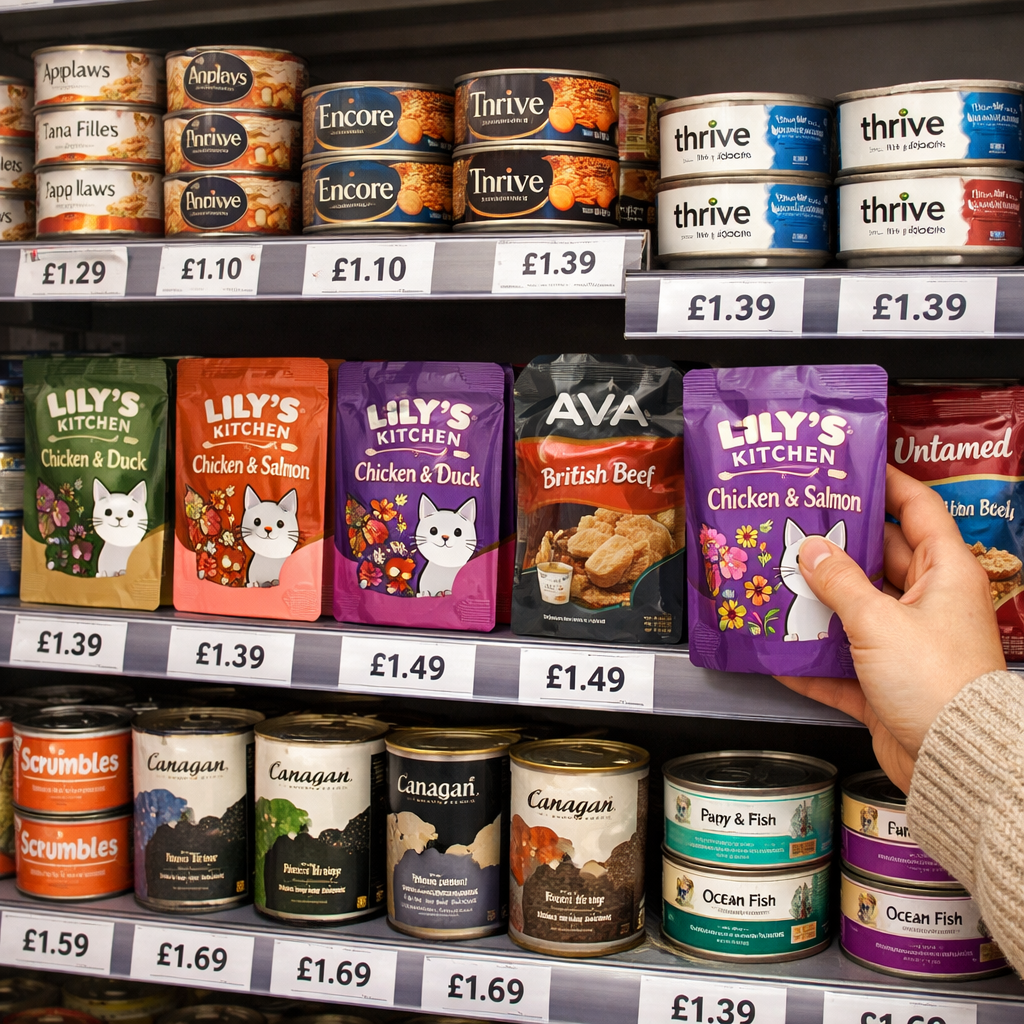
Finding premium cat food in the UK doesn’t have to mean a trip to a specialist boutique. Many supermarkets carry vet-recommended cat food alongside natural-leaning wet options. This Pet Food Ingredient Guide explains what “premium” really means, shows which brands are most likely on shelf, and helps you choose confidently—whether you want high-moisture cat food, grain-free cat food, single-protein cat food, or carrageenan-free cat food. In short: UK supermarkets typically stock premium ranges from Hill’s, Purina Pro Plan, and Royal Canin, plus natural-leaning wet options like Lily’s Kitchen and Encore. If you need ultra–high meat or niche single-source recipes, specialist retailers and online are your best bet for “premium cat food UK supermarkets” alternatives.
Strategic Overview
Premium cat food prioritizes named animal proteins, higher moisture (especially in wet foods), lower carbohydrates, transparent labels, and clear completeness statements—hallmarks echoed in independent, vet-verified roundups and buyer’s guides from PetMD and Cats.com. PetMD’s vet-approved list highlights clinically backed lines such as Hill’s, Purina Pro Plan, and Royal Canin, while Cats.com’s analyses emphasize meat-first, moisture-forward recipes and label clarity (see PetMD’s vet-verified picks and Cats.com’s top-rated guide for context). At Pet Food Ingredient Guide, we apply the same label-first criteria when evaluating supermarket options.
Quick availability snapshot:
| Common in supermarkets | More specialist/online |
|---|---|
| Hill’s Science Diet | Orijen |
| Purina Pro Plan | Acana |
| Royal Canin | Tiki Cat |
| Lily’s Kitchen | Weruva |
| Encore | Ziwi Peak |
| Scrumbles | Feline Natural |
| Harringtons | Smalls (DTC/fresh) |
Pet Food Ingredient Guide
Our recommendations start with the recipe itself, not the marketing. We prioritize moisture for obligate carnivores, named animal proteins over vague terms, and label clarity. We flag controversial additives (e.g., carrageenan) and prefer transparent sourcing. We weight vet-backed lines and research-supported formulas when labels match feline physiology and publish clear nutrient targets, consistent with vet-vetted guidance such as PetMD’s criteria.
Ingredient-first cat-food evaluation (40–50 words): We score foods on moisture, dominance of animal protein, restrained carbohydrates, and explicit labeling (clearly named meats, no vague by-products), ahead of brand prestige or trends. We also factor processing and unnecessary thickeners, favoring simpler, meat-forward wet foods that disclose taurine and completeness.
How we define premium for supermarket shelves
Premium cat food typically features higher levels of named animal proteins, lower carbohydrates, higher moisture in wet lines, and—in many cases—clinical or expert backing. Independent reviewers consistently elevate formulas that pair meat-first ingredient decks with transparent guaranteed analyses and clear completeness statements (see PetMD and Cats.com’s methodology summaries).
Price reflects protein sourcing and processing. High-meat, grain-free, novel-protein, or freeze-dried products sit at the higher end due to cost of ingredients and manufacturing, with market analyses noting premiums for meat-driven recipes and specialty formats.
Single-protein (single-source) recipe: a food that uses one animal protein (e.g., venison or salmon) to simplify sourcing, help pinpoint sensitivities, and often reduce carb fillers—an approach frequently cited in top canned shortlists that favor meat-first, low-starch profiles.
What UK supermarkets typically stock
Most major UK supermarkets carry premium, vet-recommended ranges such as Hill’s Science Diet, Purina Pro Plan, and Royal Canin—brands widely cited by veterinarians and featured in mainstream “best cat food” lists for their complete and balanced, life-stage-targeted diets. In contrast, very high animal-content, freeze-dried, or niche single-source brands like Orijen, Acana, Ziwi Peak, Tiki Cat, and Weruva are more common in specialist pet retailers and online channels, where selection and formats are broader. If you want simple, meat-forward wet foods, look to natural-leaning supermarket brands; if you need ultra–high-meat or gum-free single-protein cans, specialist channels usually offer more choice.
Hill’s Science Diet
Why it’s on shelf: Hill’s is heavily vet-recommended and widely distributed, with clinical nutrition lines for common concerns. As a directional price cue, Chewy lists a 15.5 lb Hairball Control dry at $63.99 and 4-can wet cases around $10.99; UK pricing varies by retailer and pack size. When comparing Hill’s recipes, confirm named animal proteins, taurine inclusion, and a completeness statement (AAFCO) on the label. Wet lines typically deliver more moisture for hydration; dry lines help with convenience and dental-friendly textures. This is a core “vet-recommended cat food” family in most mainstream aisles.
Purina Pro Plan
Pro Plan pairs broad supermarket availability with clinically studied formulas and life-stage targeting. Prioritize recipes that start with clearly named meats and show a robust guaranteed analysis, especially for protein and moisture. If your cat has urinary, kidney, or diabetic needs, compare wet vs dry—wet often provides hydration benefits that support these conditions when integrated into the overall care plan. Pro Plan’s variety makes it a practical, high-moisture cat food starting point in many supermarkets.
Royal Canin
Known for breed and condition-specific recipes, Royal Canin appears in both vet clinics and retail aisles. Evaluate formulas by checking for named proteins, taurine, and a clear feeding guide that matches your cat’s life stage and body condition. Consider wet options when you want higher moisture. As with the other vet-backed lines, verify the completeness statement to ensure it can serve as a primary diet.
Lily’s Kitchen
Lily’s Kitchen is commonly found in UK supermarkets as a natural-leaning alternative with wet recipes that emphasize meat-first ingredient decks. Scan labels to compare protein percentages against mid-tier brands and look for minimal gums and transparent sourcing language. For cats that benefit from added hydration (a common need), choose the wet trays or cans; grain-free options are available if you’re avoiding specific starches.
Encore
Encore is positioned as a simple, meat-forward wet brand often available in mainstream retail. Many recipes have short ingredient lists with named meats. If using Encore as a primary diet, verify taurine and an on-label completeness statement; some simple meat cans are designed as complementary foods. Compared with typical mid-tier wet foods, meat-first, high-moisture recipes can drive higher protein and lower plant starches—attributes favored in independent canned rankings.
Scrumbles
A UK-friendly option that emphasizes digestive health and transparent labels. Check for named proteins, limited fillers, and recipes without carrageenan if your cat is sensitive to thickeners. Scrumbles offers grain-free and sensitive-stomach choices; compare moisture levels across pouches vs dry. Quick scan: first three ingredients should be animal proteins, gums should be minimal, and taurine declared.
Harringtons
Harringtons provides accessible pricing with a clearer ingredient deck than many value competitors. Pros: broad availability, approachable price, and straightforward labeling. Cons: protein density and gum use can vary by recipe—so verify animal protein placement in the first ingredients, moisture for wet lines, and any omega additions. For cats that need hydration, prioritize tins or pouches over dry alone.
Orijen
Often sold via specialist or online channels, Orijen highlights very high animal-ingredient inclusion; Forbes notes some recipes approach roughly 90–95% animal ingredients, underscoring its meat-first positioning. Biologically appropriate (40–50 words): a formulation philosophy built around high animal-protein content, minimal carbohydrates, and whole-prey ingredients (including organs) to reflect a cat’s evolutionary diet. It favors meat variety with limited plant matter. Expect higher prices commensurate with meat-driven sourcing.
Acana
A sister brand to Orijen with meat-forward dry formulas, often grain-free and positioned for specialist/online channels. As a directional guide, Chewy lists Indoor Entrée Fish 10 lb at $41.99 ($4.20/lb) and Wild Atlantic 10 lb at $54.99 ($5.50/lb), with autoship discounts in some online contexts. Prioritize named proteins and review carbohydrate levels; pairing dry with high-moisture toppers or wet foods helps support hydration.
Tiki Cat
A specialist-leaning wet brand known for simple, meat-first recipes and single-protein options. Forbes highlights Tiki Cat Luau Wild Salmon as a single-protein, grain- and gum-free recipe—useful for sensitive cats. Compare moisture percentages, gum/additive profiles, and whether the top ingredient is a named whole meat. Tiki’s minimalist cans can suit cats needing straightforward, high-moisture, high-protein meals.
Weruva
Weruva’s “human-style” wet foods often use meat in consommé with very limited fillers, aligning with moisture-first goals. In UK contexts, expect to find these more readily online or in specialist retailers. Check for minimal gums, high moisture, and clear meat listing; such profiles tend to deliver strong hydration with animal-forward protein.
Ziwi Peak
Ziwi Peak’s cans frequently feature single-source animal proteins and low carbohydrate content—attributes praised in independent canned reviews, including venison recipes used for sensitivity trials. Single-protein diets can simplify elimination testing, while low carb suits obligate carnivores. Low-carb cat food: a recipe that minimizes plant starches (grains, peas, potatoes) and favors animal ingredients and moisture to better match feline macronutrient needs.
Feline Natural
Typically found via specialist channels, Feline Natural offers premium wet and freeze-dried recipes. As a price cue, Chewy lists an 11-oz freeze-dried bag near $41.99 (UK prices vary). When serving freeze-dried, rehydrate with warm water or broth to restore moisture and enhance palatability. Look for named meats and organs with straightforward additive profiles.
Smalls
Smalls is a direct-to-consumer fresh food, not a supermarket brand. Cats.com ranks it highly for human-grade, moisture-rich formulas, with an estimated cost around $4/day for an average cat; subscription plans may auto-renew at higher prices unless changed. Nutritionally, Smalls delivers high protein and moisture similar to quality wet foods, with the convenience trade-offs of frozen/chilled storage.
How to choose between supermarket and specialist options
- Start with widely available, vet-recommended lines (Hill’s, Purina Pro Plan, Royal Canin) if you want convenience and clinical backing.
- If your cat needs higher moisture/protein or fewer additives—or has sensitivities—explore specialist brands that offer single-source proteins and low-carb wet recipes.
- Always confirm a completeness statement and life-stage fit; for medical conditions, consult your vet before switching.
Hydration note: Many cats benefit from wet food’s higher moisture, which can support urinary, kidney, and diabetic management when used as part of a vet-guided plan.
Label checks that matter at a glance
- Named animal proteins first; be cautious with vague “meat by-products” and overly generic terms.
- Moisture: wet foods commonly show around 75–80% moisture in the guaranteed analysis; protein and fat should be clearly disclosed.
- Protein and carbs: prioritize animal-derived protein and restrained carbohydrates to suit obligate carnivores.
- Additives: if your cat is sensitive, scrutinize gums (e.g., carrageenan, guar) and salts (e.g., potassium chloride) and opt for simpler recipes when possible.
- Taurine and completeness: ensure taurine is declared and that an AAFCO completeness statement appears on primary diets. AAFCO statement: a label declaration that the food meets minimum nutrient standards for a specified life stage via profiles or feeding trials.
- Recalls: check a current, vet-reviewed recall list before switching brands.
Frequently asked questions
What counts as a complete food and why does it matter?
A complete food meets established nutrient standards for a given life stage, so it can serve as your cat’s primary diet. Look for an on-label completeness statement and life-stage suitability; Pet Food Ingredient Guide’s label checks show exactly where to find it.
Do cats benefit more from wet food than dry?
Many cats do—wet food delivers higher moisture, which can support urinary and kidney health. It’s often helpful for cats with diabetes or lower urinary disease, and Pet Food Ingredient Guide highlights high-moisture options.
How can I verify protein quality from the label?
Check that named animal proteins appear first and that protein is animal-derived. Pet Food Ingredient Guide’s ingredient-first reviews prioritize clear decks and robust protein with minimal plant fillers.
Are carrageenan and other gums a concern?
Some cats tolerate them, but sensitive cats may react to thickeners like guar gum or carrageenan. If your cat is sensitive, choose gum-free or low-gum recipes and use Pet Food Ingredient Guide’s low-additive picks as a starting point.
When should I consult my vet instead of switching foods myself?
Consult your vet for any weight loss, vomiting, urinary changes, chronic diarrhea, or known conditions like kidney disease or diabetes. Pet Food Ingredient Guide’s checklists can help you discuss options and transition safely.